The Right To Rest
rest is a privilege. rest is a resource. rest is a form of power. and most people don’t have it.
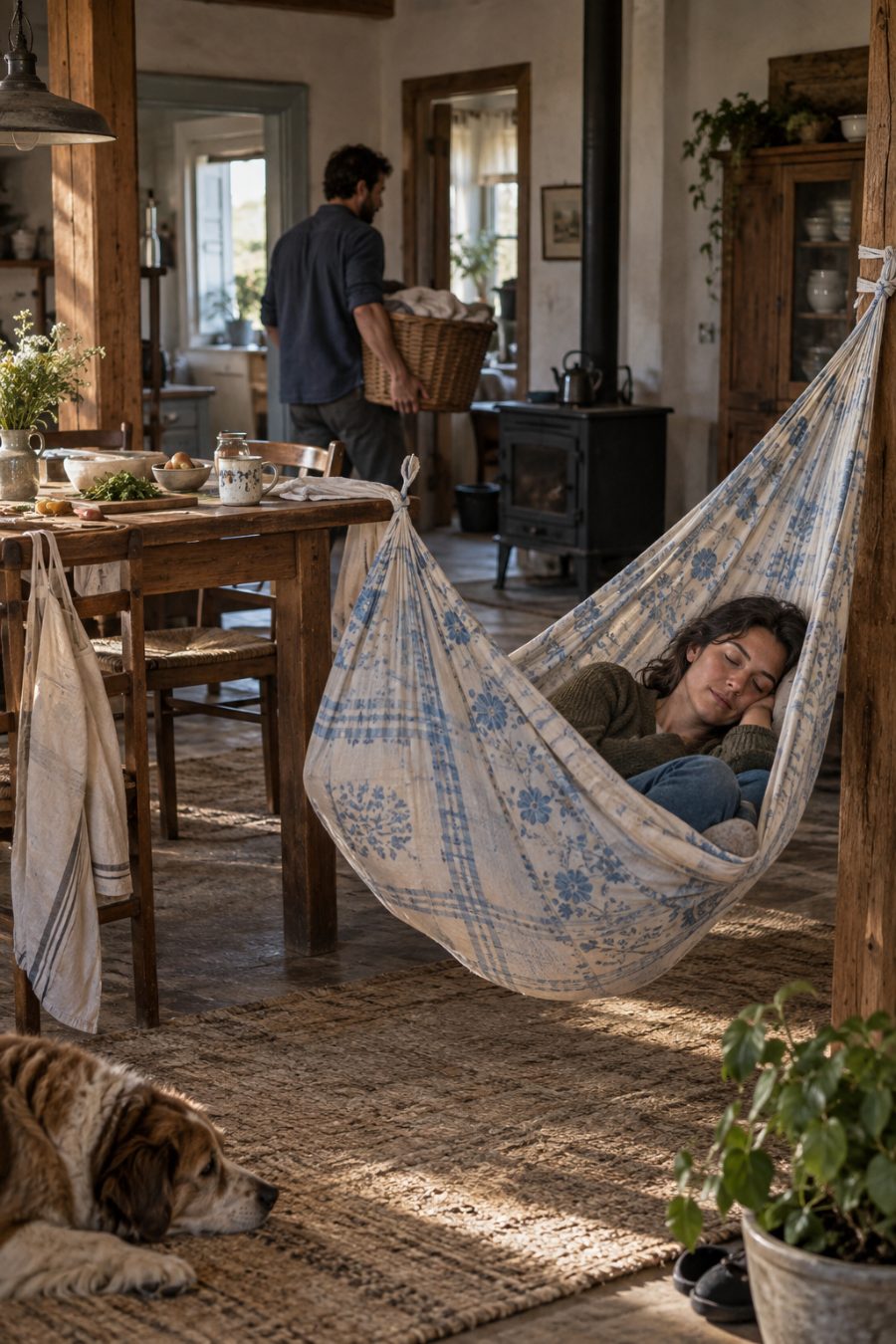
We talk about rest like it’s free. Like it’s universal. Like everyone gets the same 24 hours.
But rest is not distributed equally. Rest is not neutral. Rest is not fair.
Rest is a privilege. Rest is a resource. Rest is a form of power. And most people don’t have it.
1. Caretakers don’t rest. Women perform 2.6x more unpaid labor than men (UN Women). Childcare, housework, emotional work. When your life is woven into everyone else’s needs, rest disappears. Rest becomes… whatever minutes are left.
2. People in unsafe or controlling relationships don’t rest. Your nervous system doesn’t shut down when you’re scanning for threat. Psychology calls this hypervigilance. You can sleep eight hours and never actually rest.
3. Immigrants don’t rest. Migration = identity reconstruction. New language. New rules. New belonging. Pew Research says immigrants work longer hours and rest less than native-born peers. Rest gets eaten by survival.
4. People in trauma don’t rest. Trauma rewires the brain’s ability to feel safe (Bessel van der Kolk). Stillness becomes danger. Silence becomes alertness. The body refuses the very thing it needs.
5. People in financial precarity don’t rest. When rent, food, health insurance, and stability depend on you, your brain stays in “threat mode.” Rest requires safety. Safety requires resources. Resources are not equal.
Rest is meaningful. Because rest isn’t just downtime. Rest is how you access creativity, problem-solving, emotional integration, intuition, strategy, purpose, perspective. Rest is how new ideas enter the room.
Rest is what systems, organizations, and controlling partners take first. Because a rested person is a thinking person. A questioning person. A boundary-making person.
Rest is a protest. Capitalism runs on tired bodies. Oppressive systems run on depleted nervous systems. Family systems run on the daughter who “never stops.” To rest is to say: “You don’t get to use my exhaustion as fuel.” Rest is refusal. Rest is rebellion. Rest is a return.
Rest makes you different. Because when you rest, you wake up. You see illusions. You see patterns. You see manipulations. You remember yourself. Rested people become… inconvenient. They leave jobs. They leave relationships. They leave systems that break them. They create new worlds.
So who gets to rest? People with safety. People with support. People with financial cushion. People without trauma. People whose partners share the load. People whose lives do not depend on them.
Rest is not a character trait. Rest is a structural advantage.
If you can rest, try. If you can’t, know this: it’s not your failure — it’s the system.
Rest is the most radical thing a woman can do in a world that profits from her depletion. And the most powerful thing she can reclaim on her way back to herself.