What He Carries Home
he doesn’t scream at the system that broke him. he screams at the people who love him. this is how violence reproduces without villains.
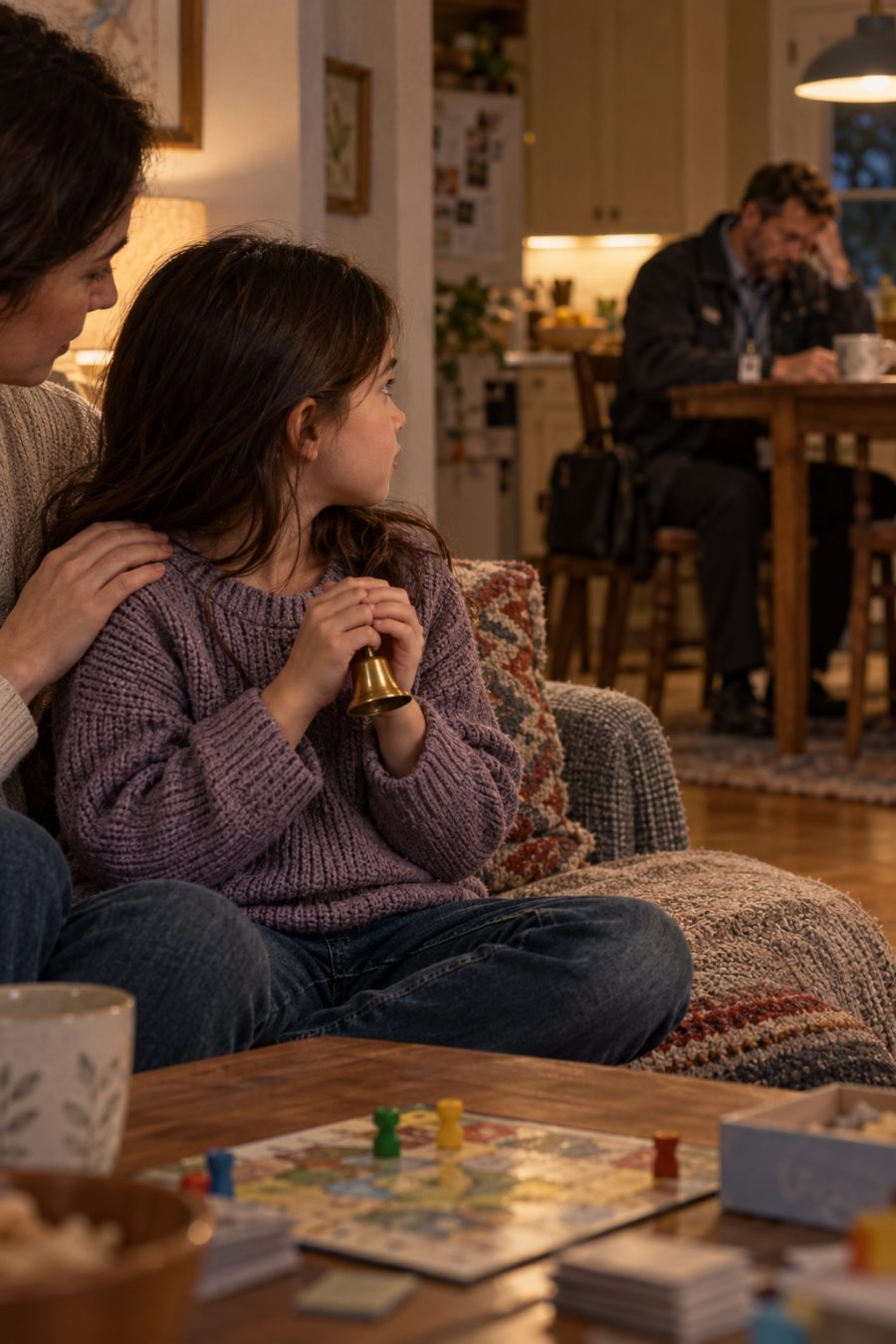
The man who screams at home was not born that way.
He learned containment first. Control. Silence in the right rooms. Endurance mistaken for character.
Outside, he was broken carefully. By schedules that didn’t bend. By roles he didn’t choose. By expectations he could never fully meet and could never refuse.
He learned that rage was dangerous out there. That anger cost jobs. That fatigue looked like weakness. That collapse was a luxury reserved for people with cushions.
So he swallowed it.
He took on work he didn’t want because someone had to. He pushed through with grit because stopping meant falling. He did the impossible while calling it responsibility. He stayed sane by force. Held others up while quietly coming apart.
He learned to regulate not by healing but by clenching.
That kind of control rewires a body. It teaches the nervous system that softness is unsafe. That rest is earned only after depletion. That needs are dangerous. That asking is failure.
Capitalism loves this man.
It rewards him for endurance. For showing up numb. For translating pain into productivity. For calling survival “discipline.”
But rage does not dissolve when it is managed. It compresses.
And compression requires release.
At home, the rules change. The stakes feel lower. The consequences less immediate.
There is no boss. No performance review. No system watching.
There is only intimacy.
And intimacy becomes the container for everything the world refused to hold.
So the voice gets louder. The tolerance thinner. The control sharper.
He doesn’t scream at the system that broke him. He screams at the people who love him.
At the wife who believes safety means proximity. At the children whose joy is loud, messy, unregulated. At the home that asks him — silently — to soften.
What comes out isn’t just anger. It’s grief without language. Fear without permission. Exhaustion that never got to be named.
The tragedy is not that he feels rage. The tragedy is where it lands.
Because the skills that helped him survive the world — control, dominance, suppression, endurance — become weapons in the only place he is allowed to be human.
This is how violence reproduces itself without villains.
A system that breaks people in public creates private explosions.
Children learn early that love is unpredictable. That calm must be earned. That their nervous systems must adjust to someone else’s storms.
Partners learn to manage moods instead of share lives. To shrink joy. To preempt eruptions. To call it understanding.
And the man keeps going. Still praised outside. Still unraveling inside.
This is not about individual failure. It’s about displaced harm.
When empathy is shut down in institutions, it doesn’t disappear.
It migrates. Into homes. Into marriages. Into childhoods.
And the cost is not just emotional. It is generational.
Because children raised under unprocessed rage grow into adults fluent in control or collapse. Because love becomes something you survive instead of something that restores.
We call these men providers. Leaders. Strong.
But strength without softness is just pressure.
And pressure always finds a weak point.
If we want less violence in homes, we have to stop manufacturing it in the world.
Because no amount of love can absorb what should never have been demanded in the first place.