Before I wrote it,
I shot it.
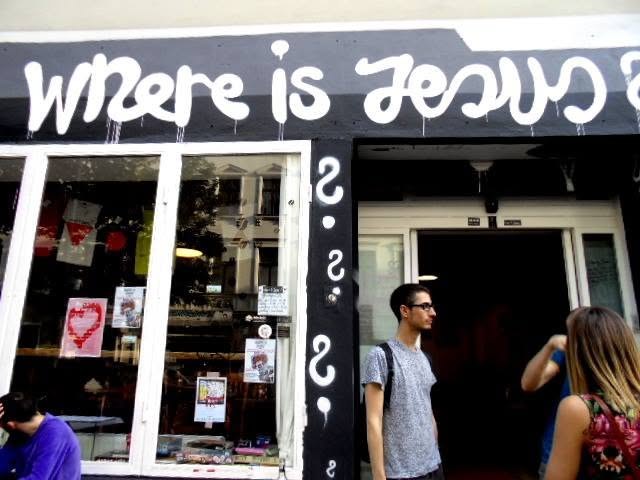
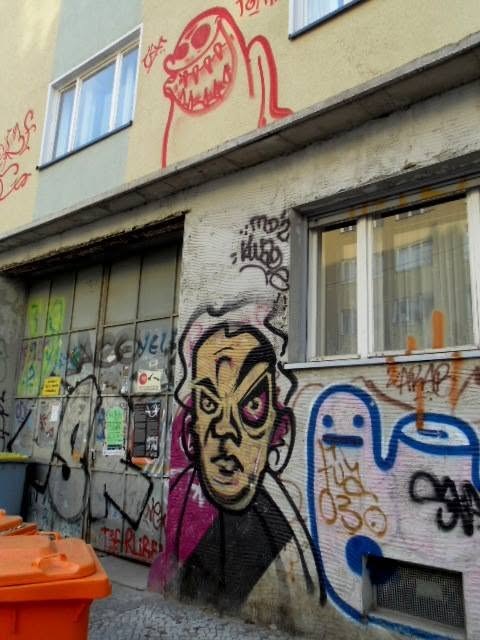
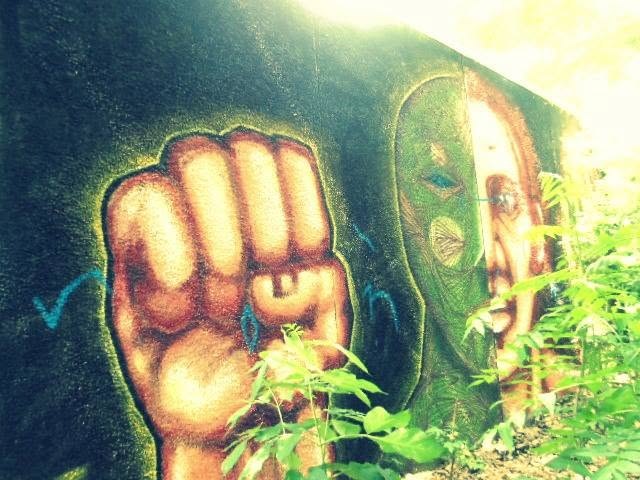
i was a journalist with a camera long before i was a founder with a deck. berlin squats, nepali hill towns, thar desert portraits, the hand pumps of south punjab. i took the pictures the magazines wouldn't run — women who had opinions, walls that talked back, heat you could see.

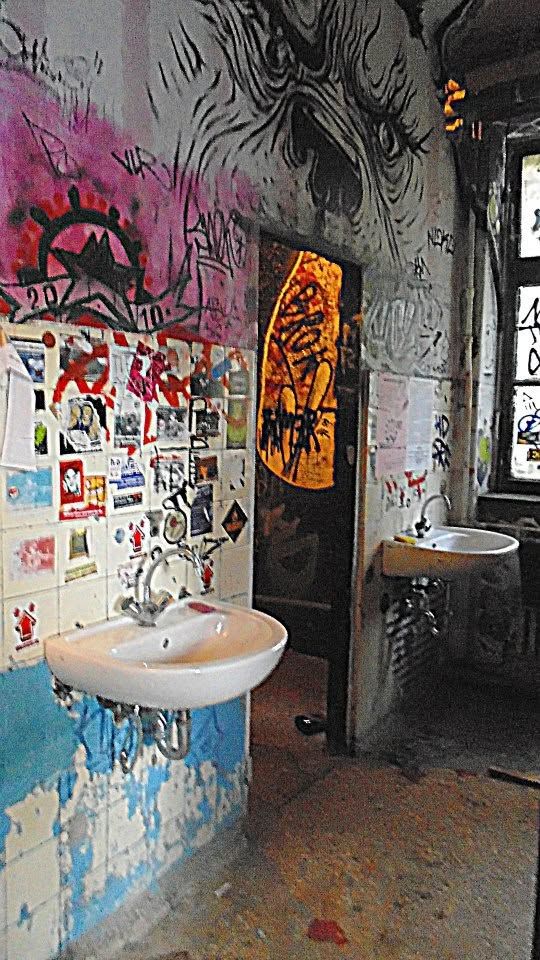
The Squat
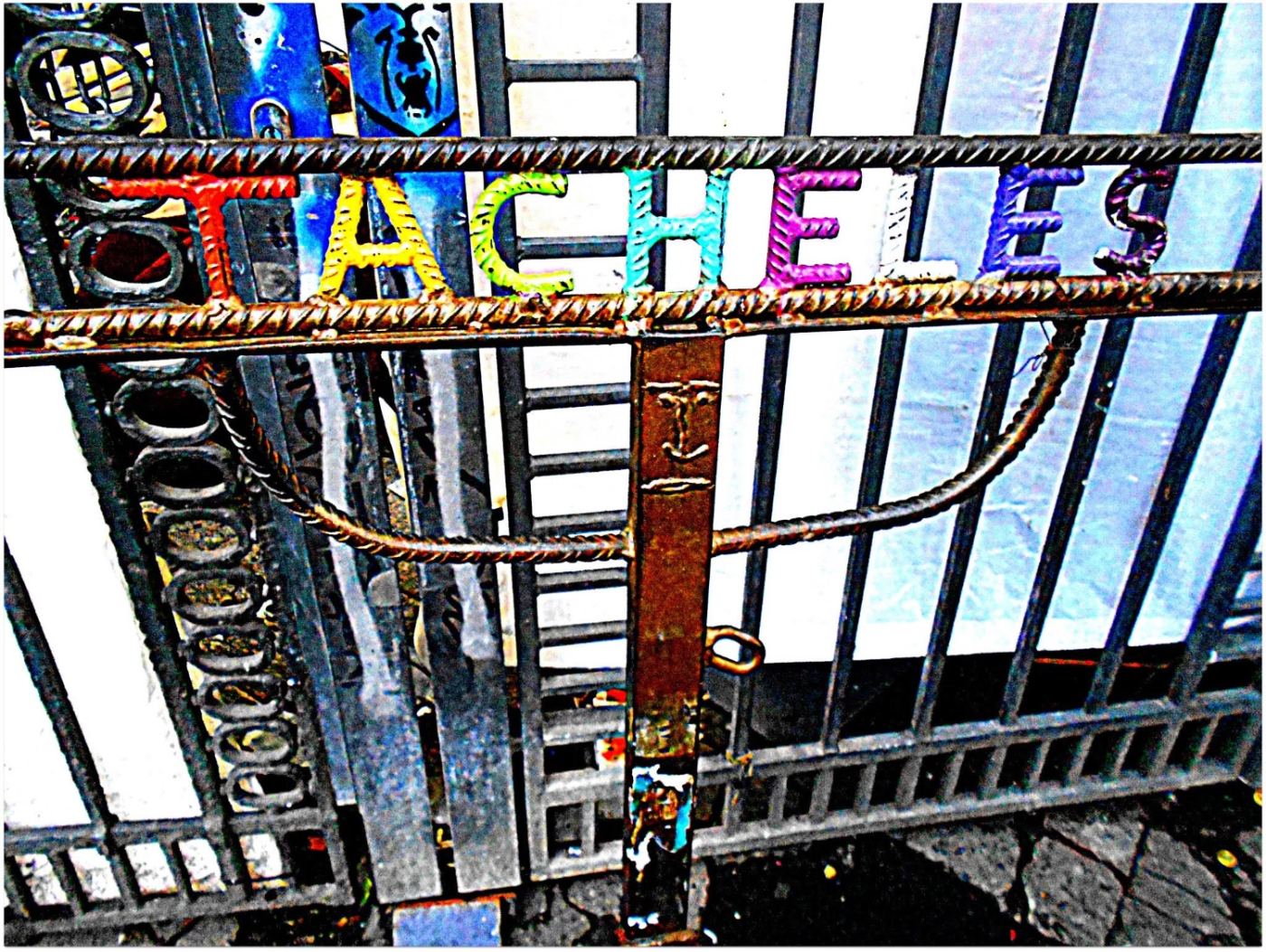
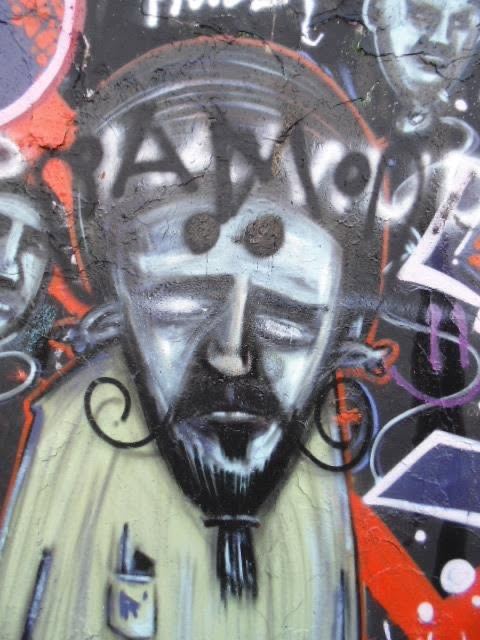
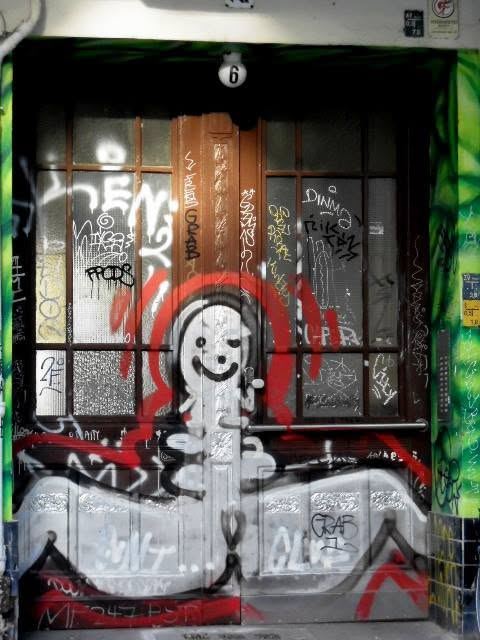
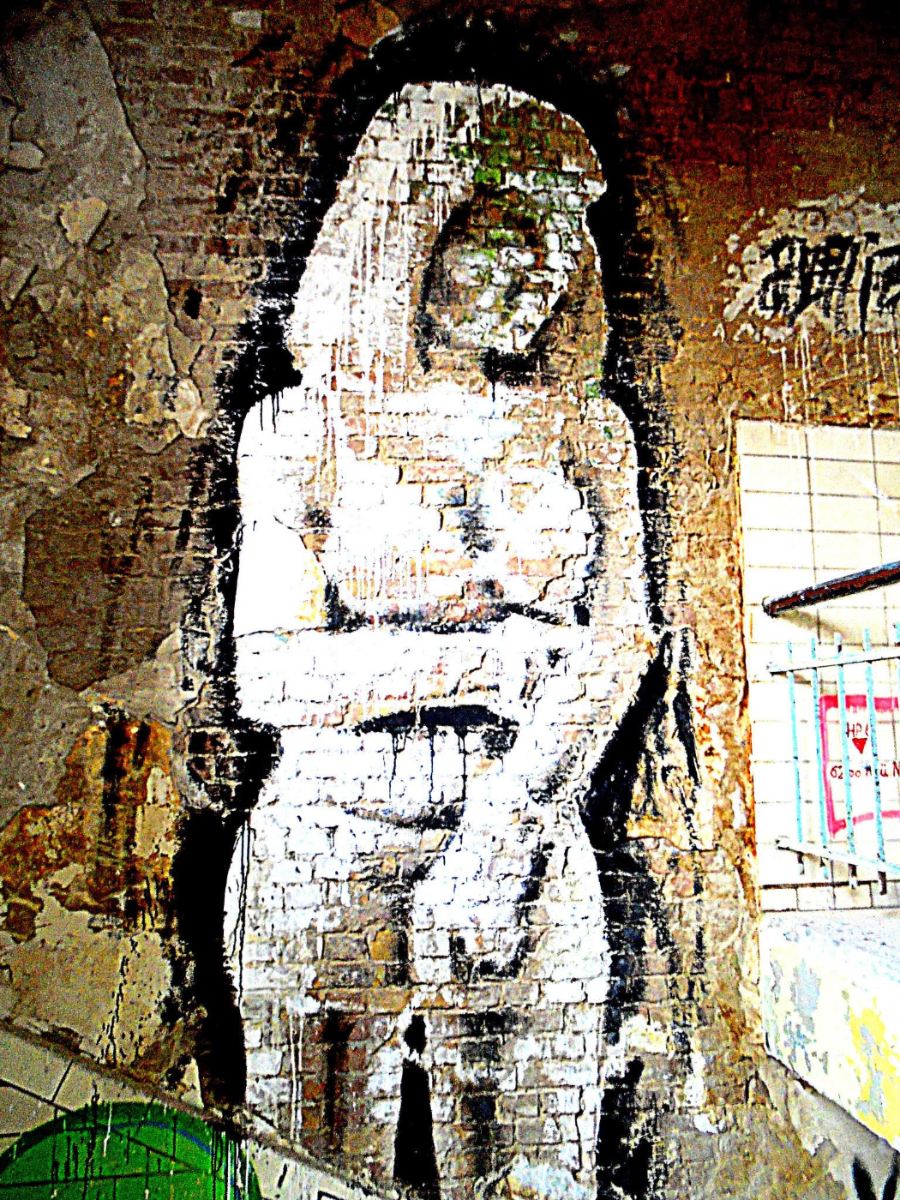
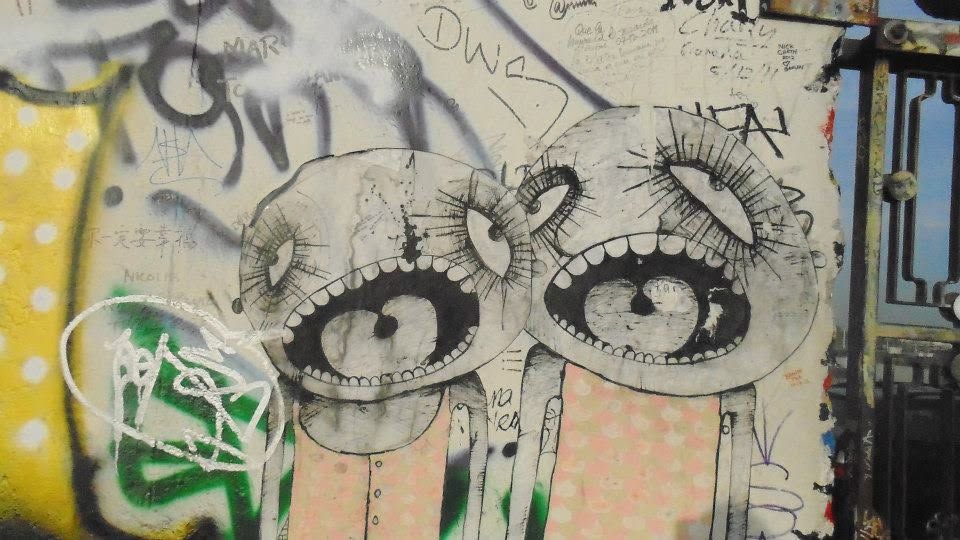
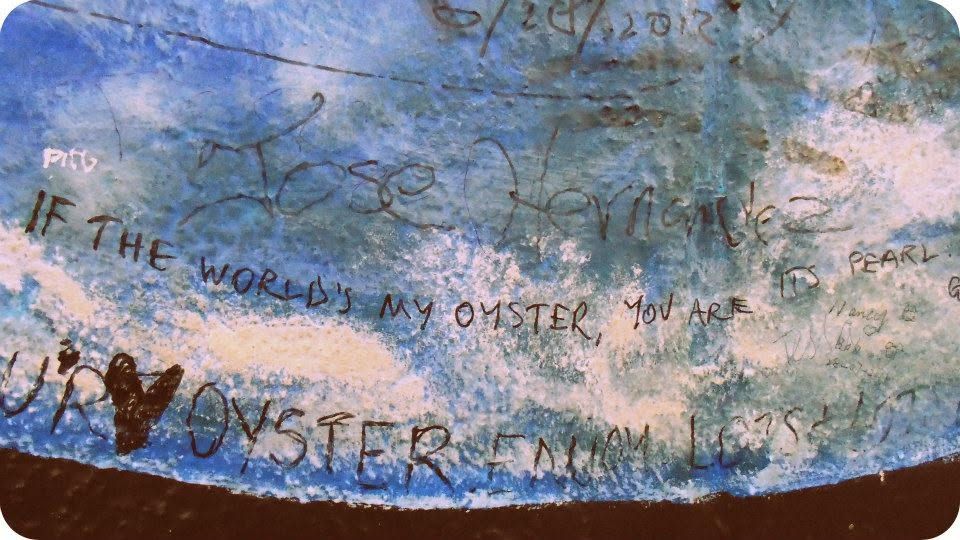
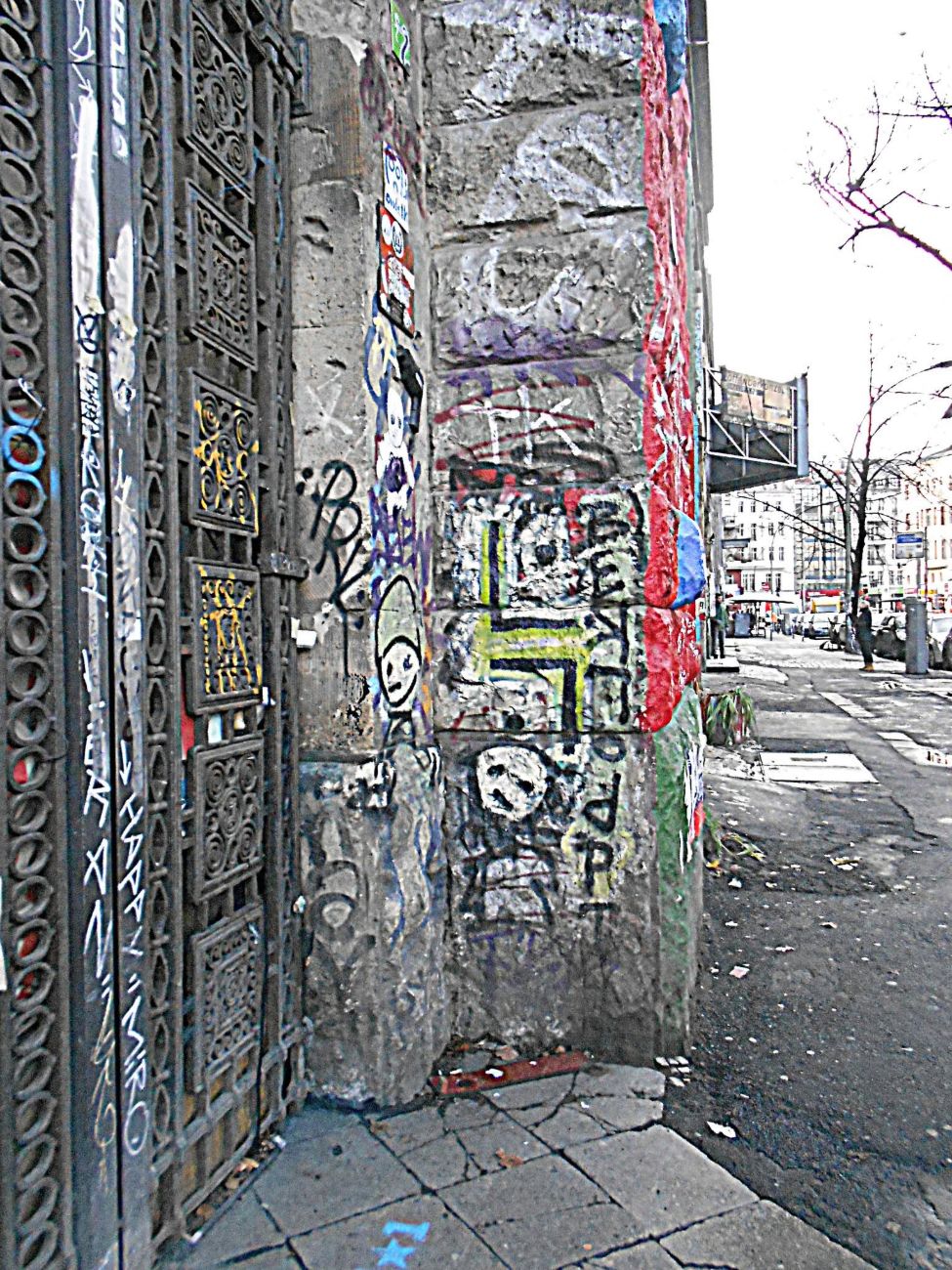
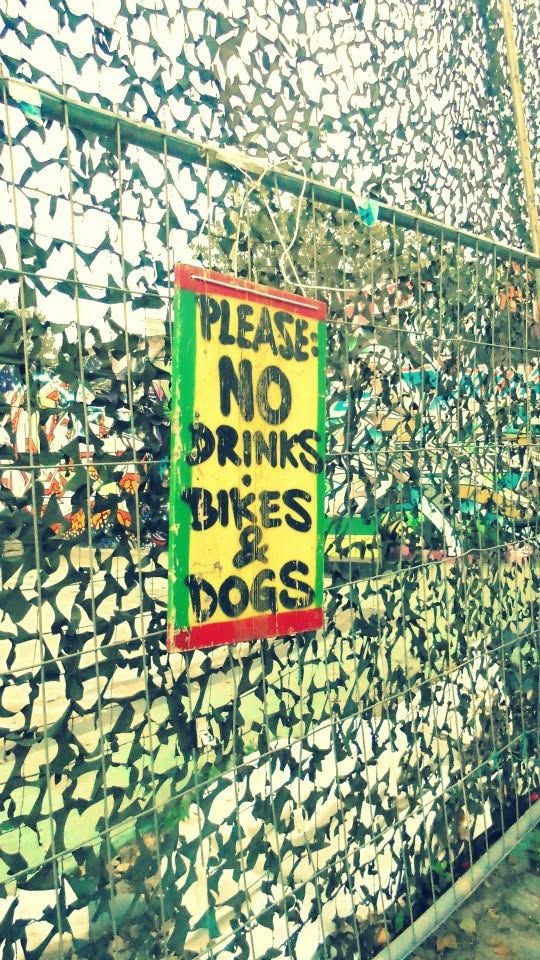
an art squat in a ruined department store on oranienburger straße. every wall painted over a hundred times, every stairwell someone's studio. they tore it down in 2012.
The Last Cheap Year
kreuzberg was west berlin’s dead end — walled on three sides, so the rent stayed nothing and the landlords stopped repairing anything. turkish guest workers got the condemned tenements. german boys who didn’t want the army came because west berliners were exempt from the draft. then the punks and the squatters — a hundred and sixty-five occupied houses by 1981. when the wall came down the dead end became the middle of europe overnight, and nobody had told the money yet.
2012 was the last year before it noticed. tacheles was evicted that september. the spree banks were being sold while people marched to sink the deal. spanish and greek kids arrived with one suitcase because the euro had eaten their countries and this was still the cheap capital.
i had come from karachi, a city that hides what happened to it. berlin does the opposite. the hill is made of war rubble and they sled down it. the wall isn’t demolished, it’s a gallery. the spy station is a picnic. nobody there performs recovery. that was the first place i understood that damage doesn’t have to be a secret — it can be a wall you’re allowed to write on.

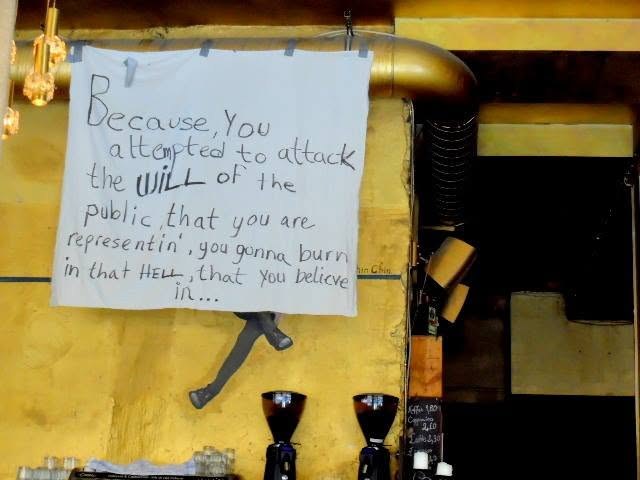
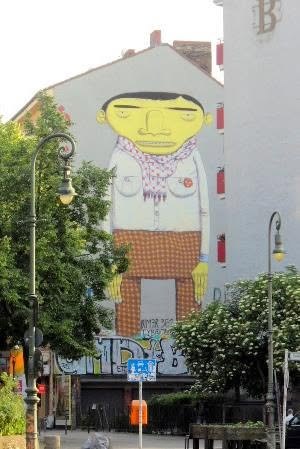
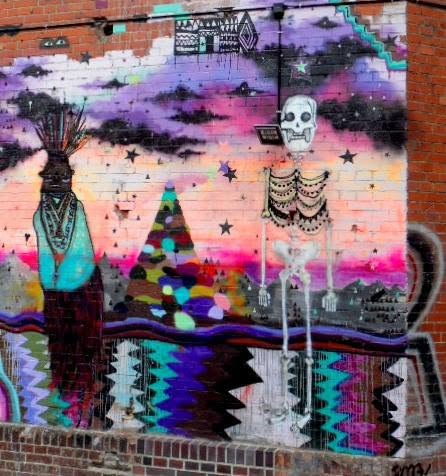
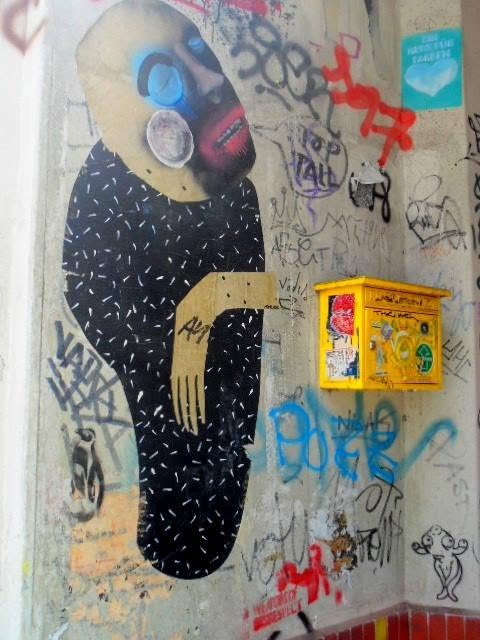
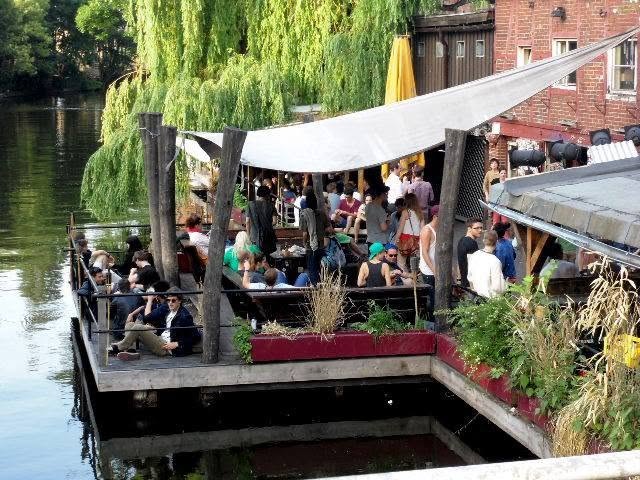
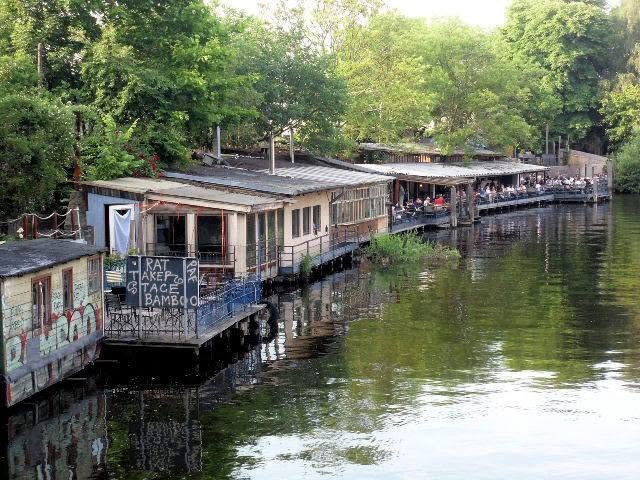
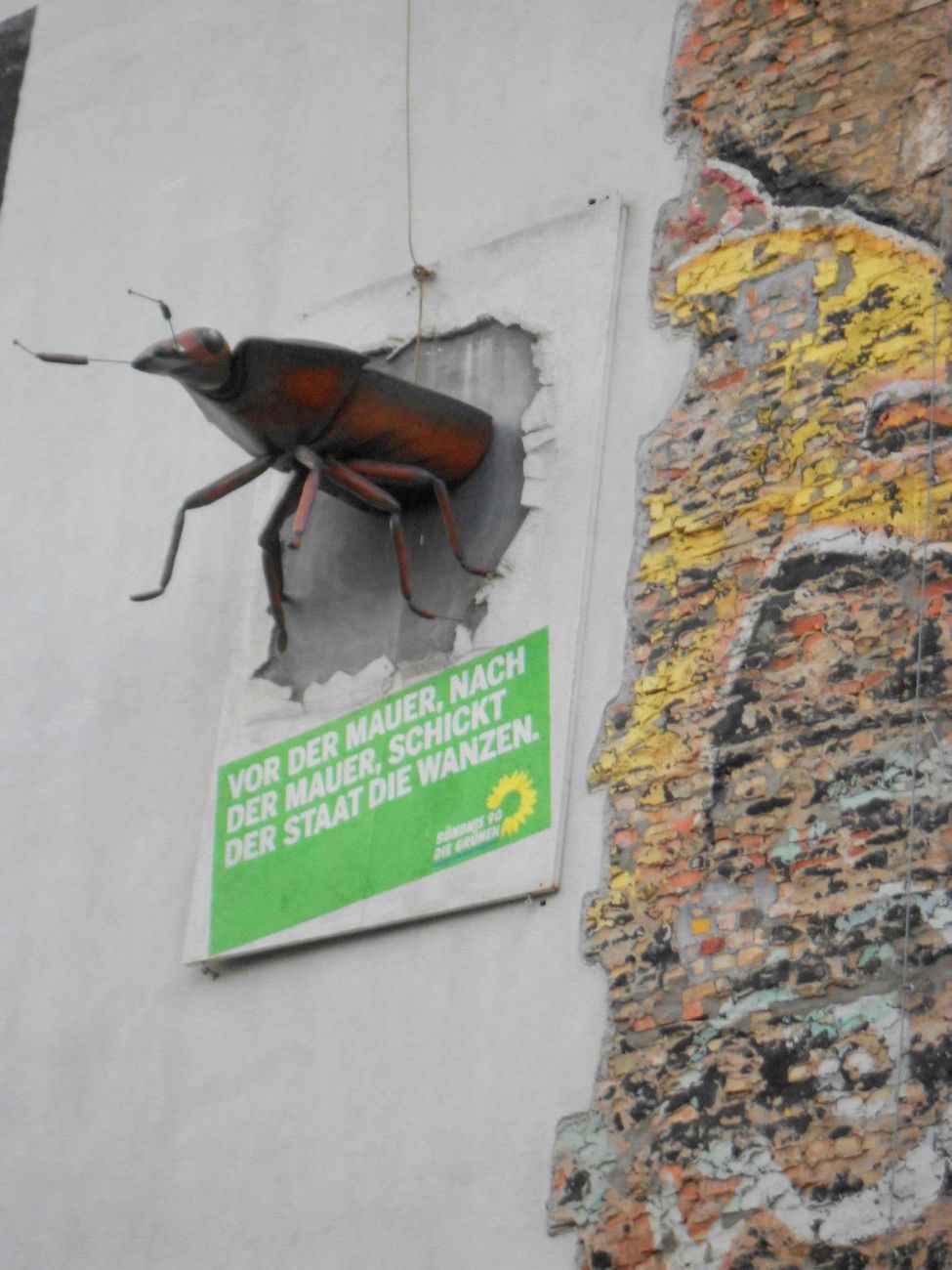
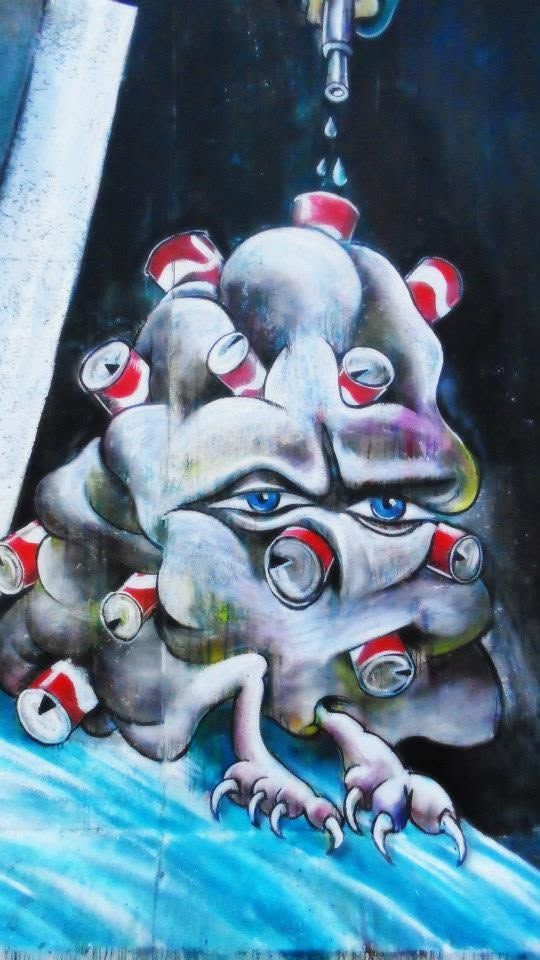


The Amphitheatre
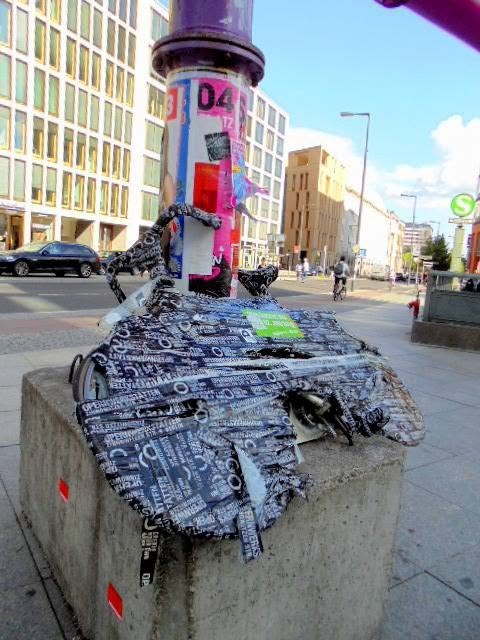
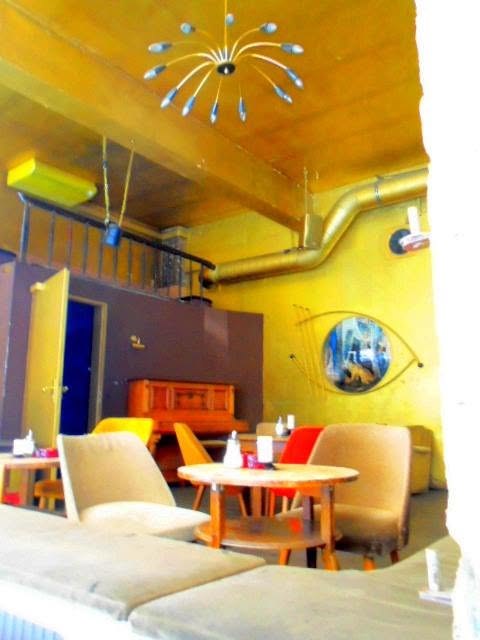
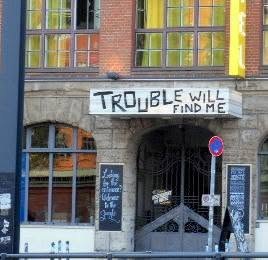
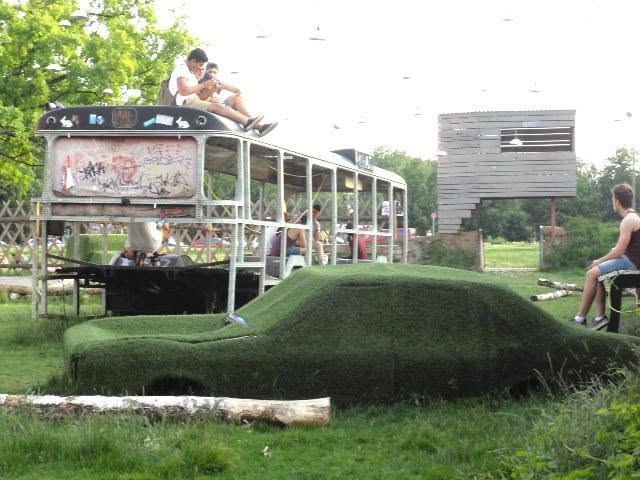
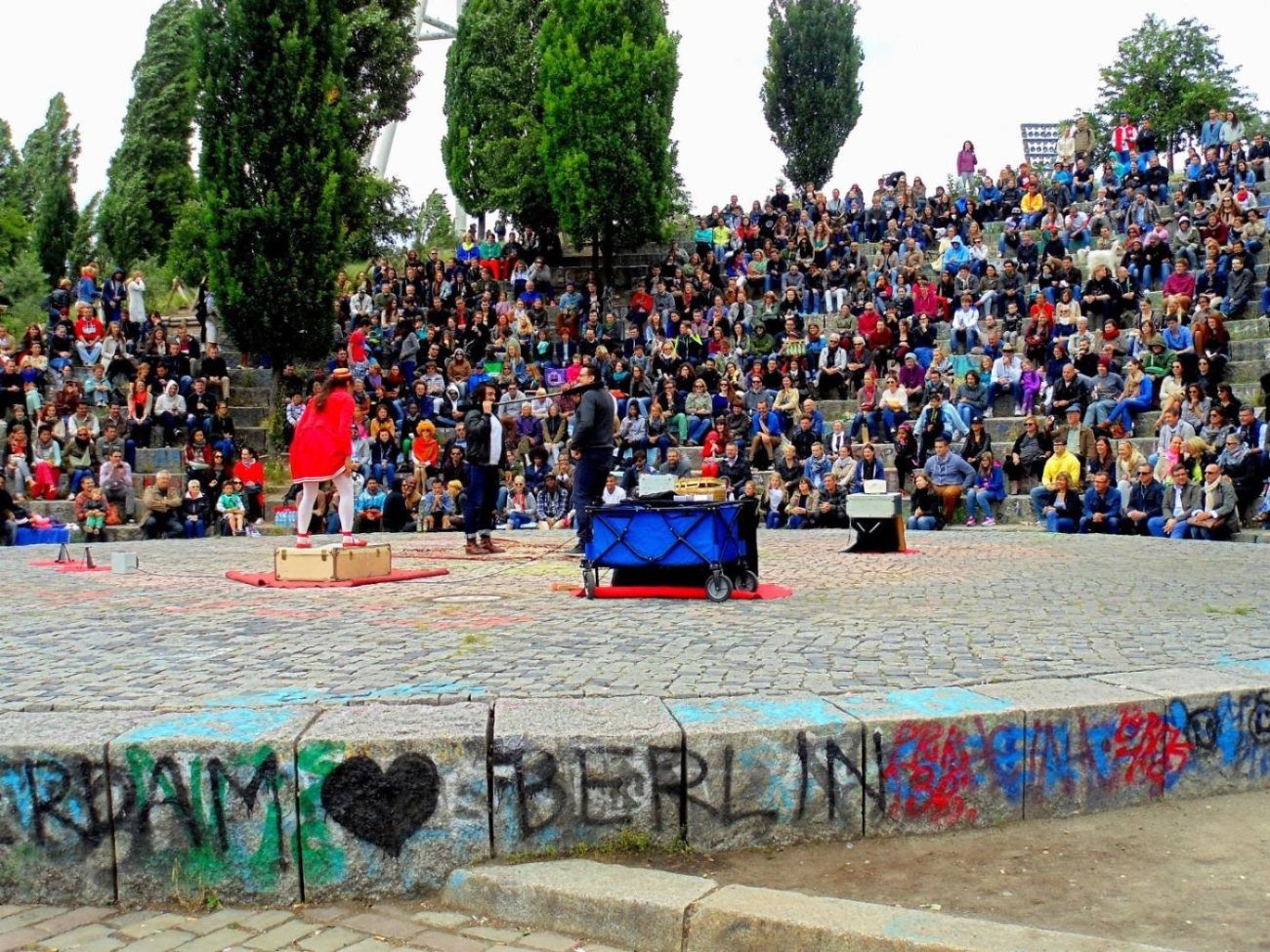
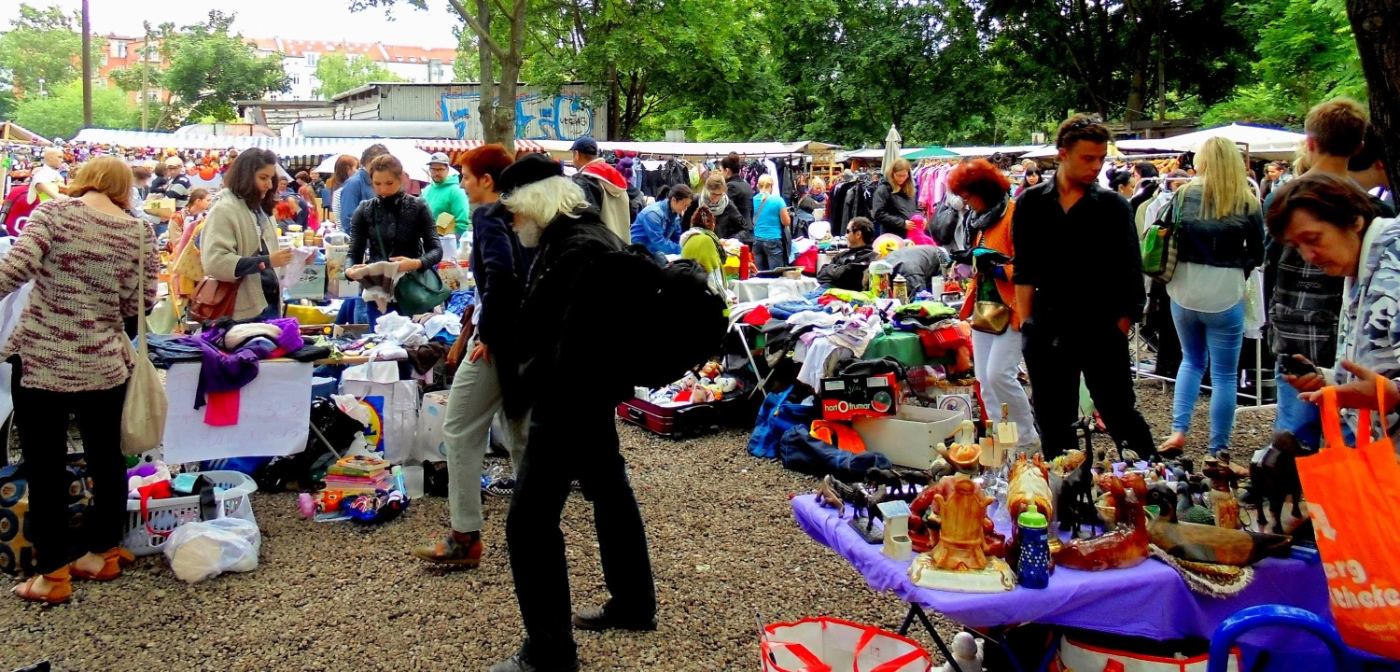
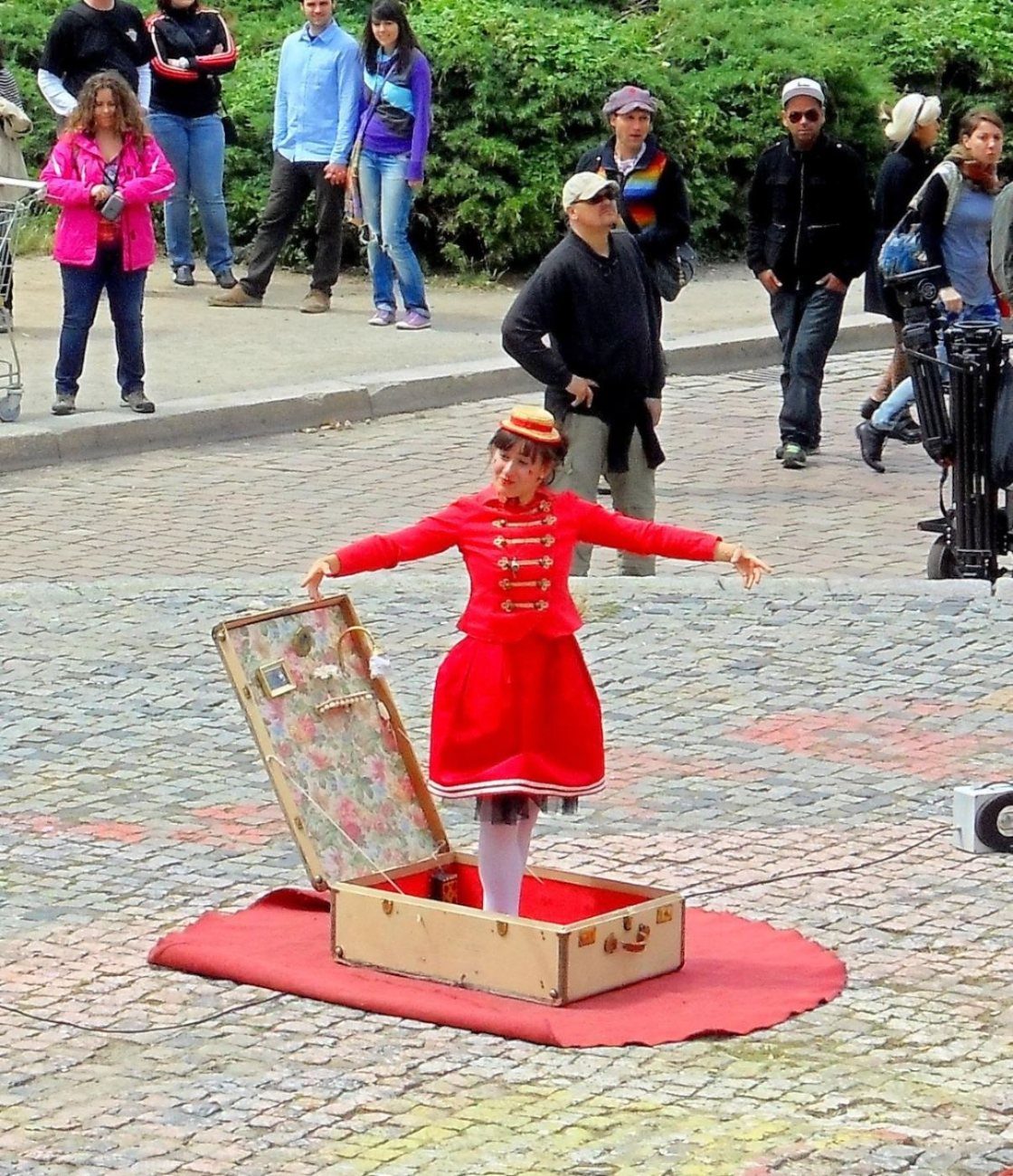
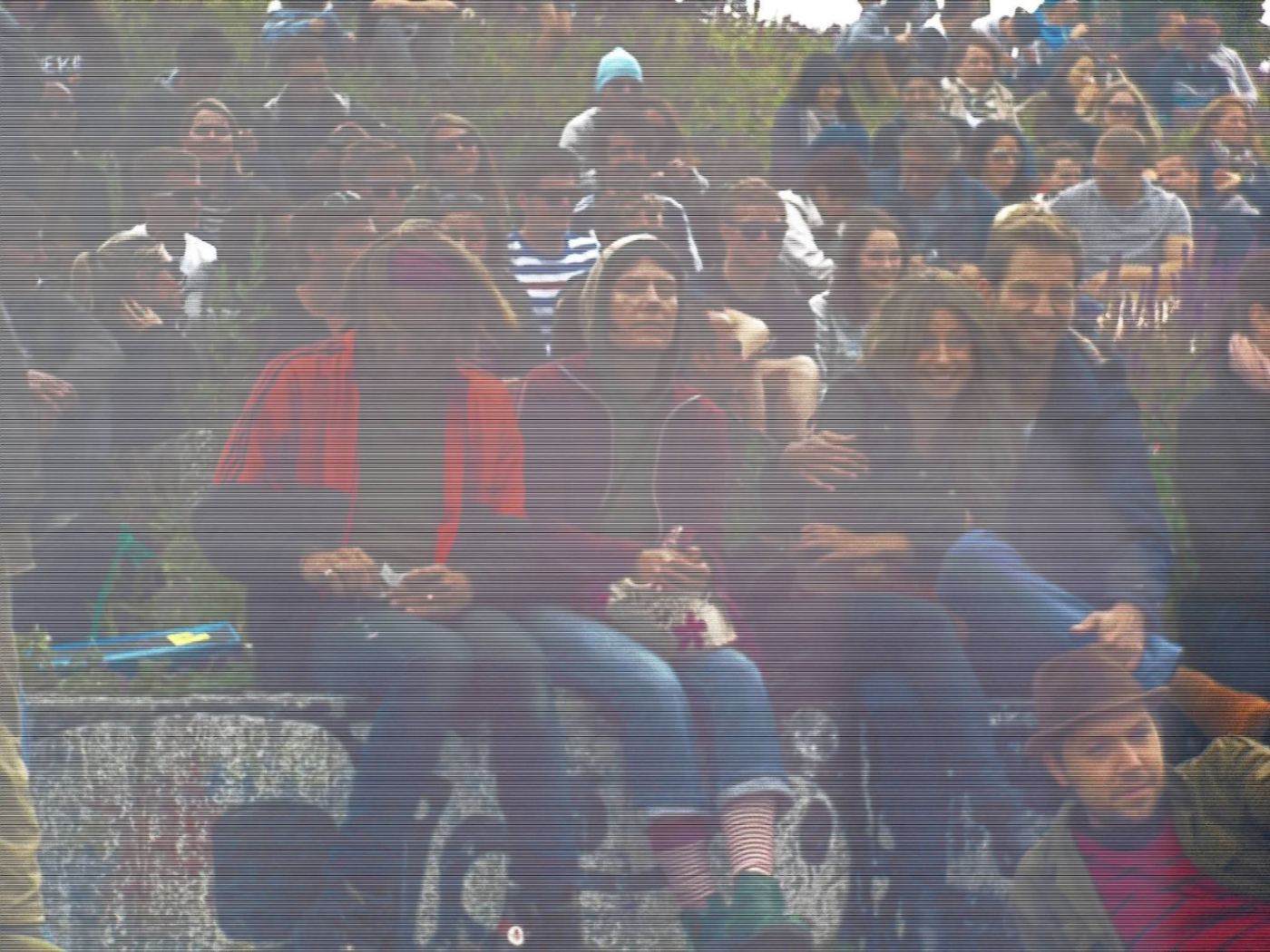
an amphitheatre built where the wall was. every sunday a stranger sings and two thousand people cheer for them. behind it, a flea market selling other people’s lives.
The Lit City
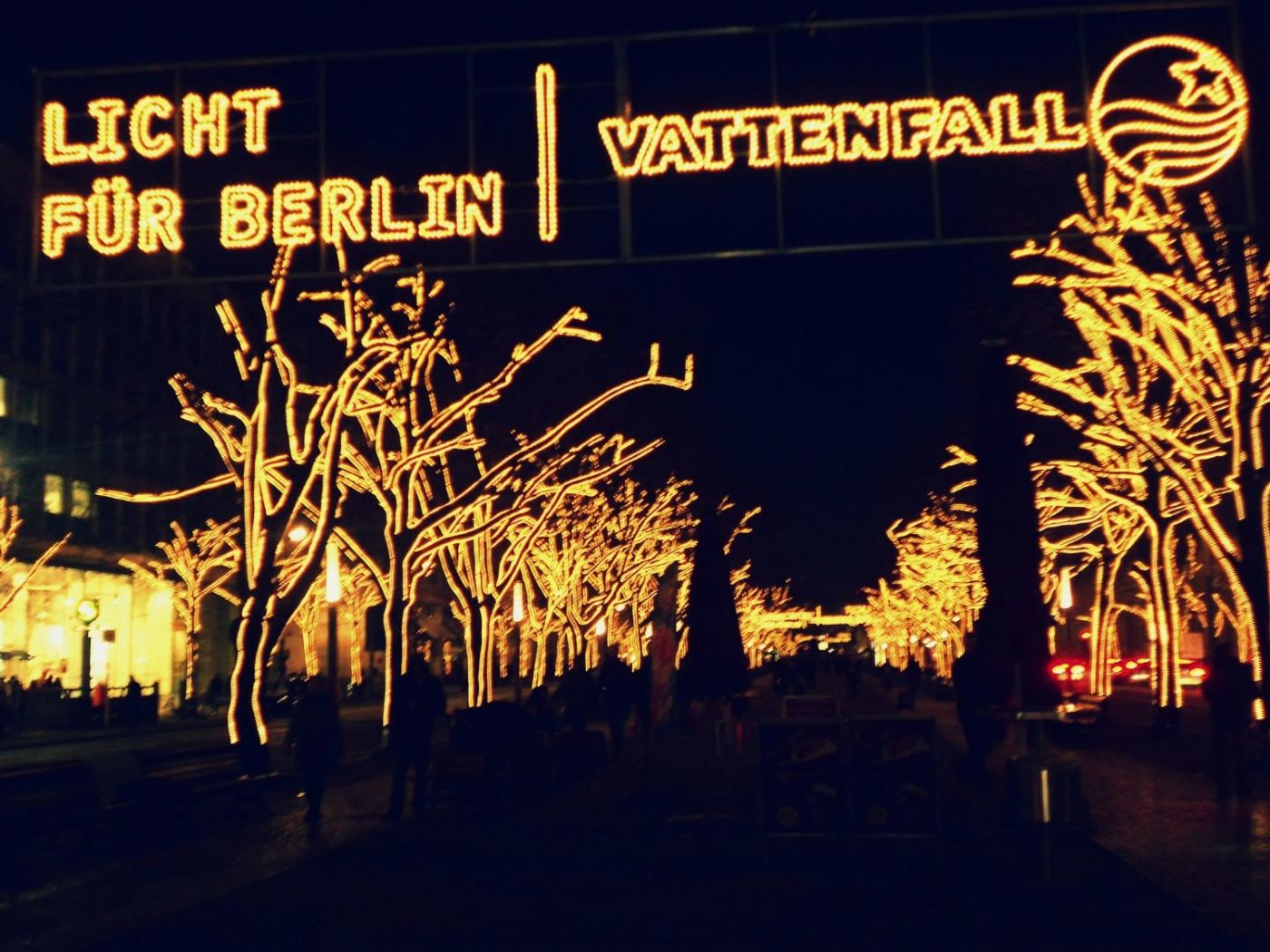
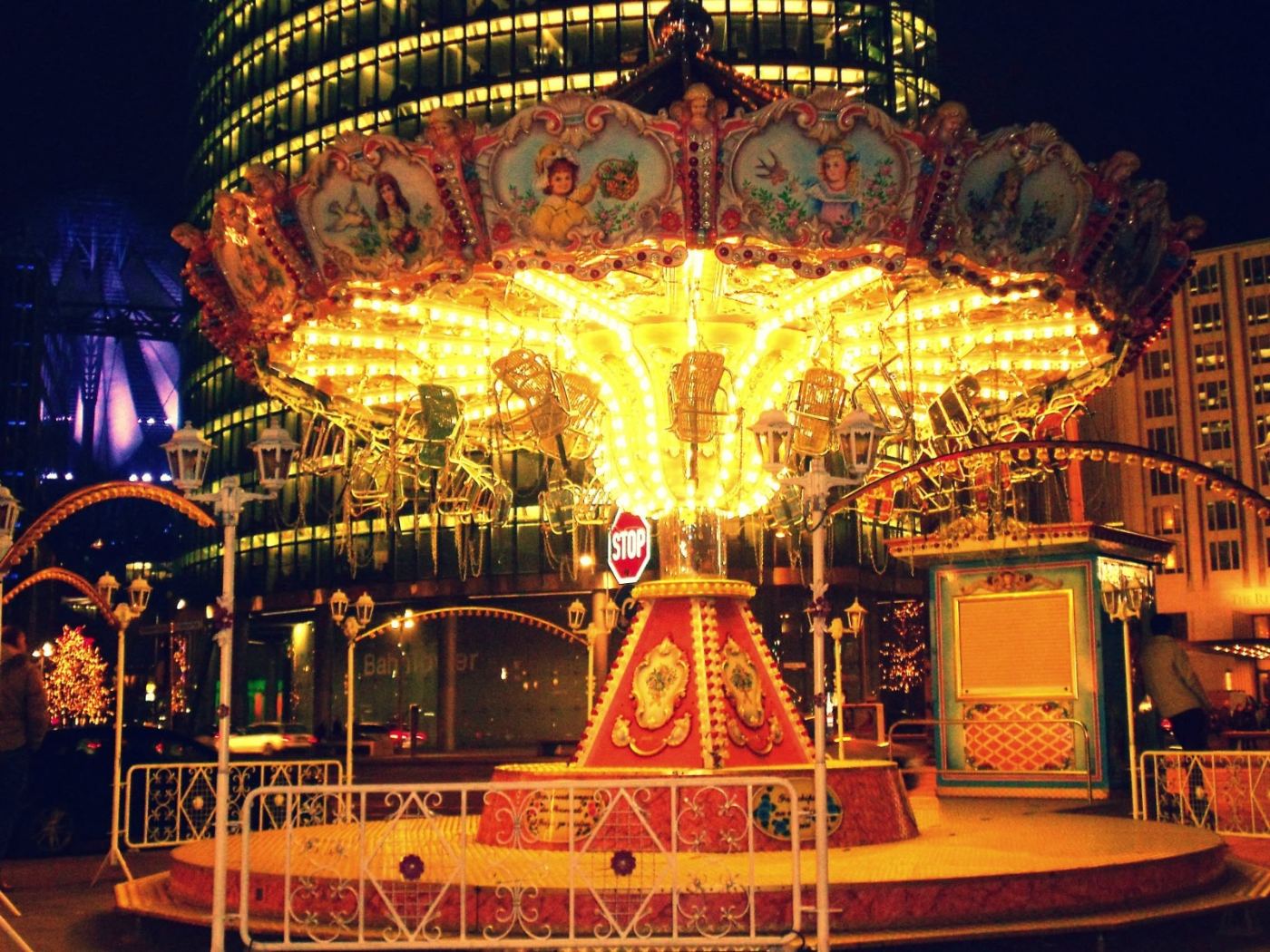
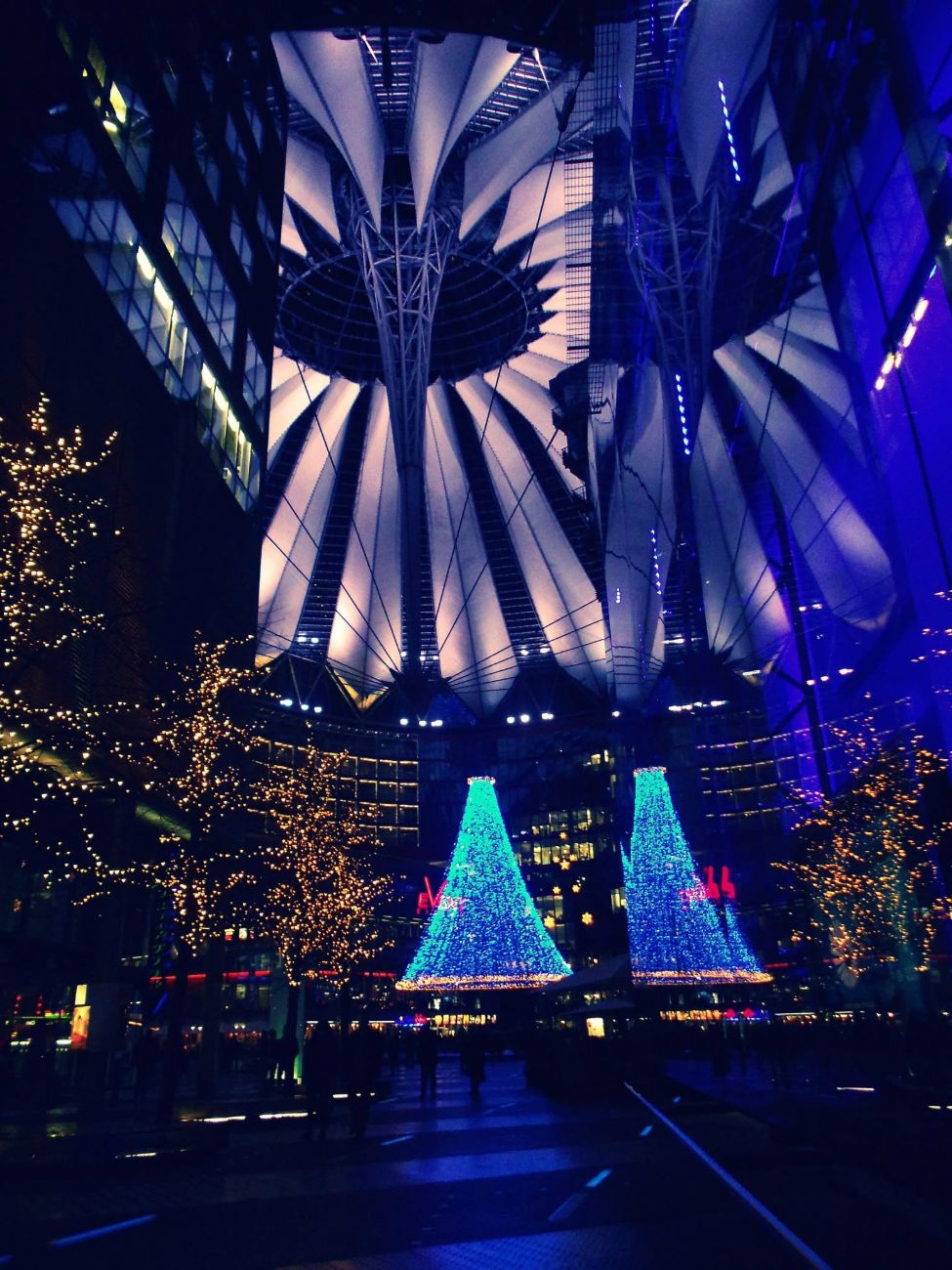
the electric company strings light through the trees and calls it a gift. the funfairs stay open. i shot most of this out of focus on purpose.
The Listening Station
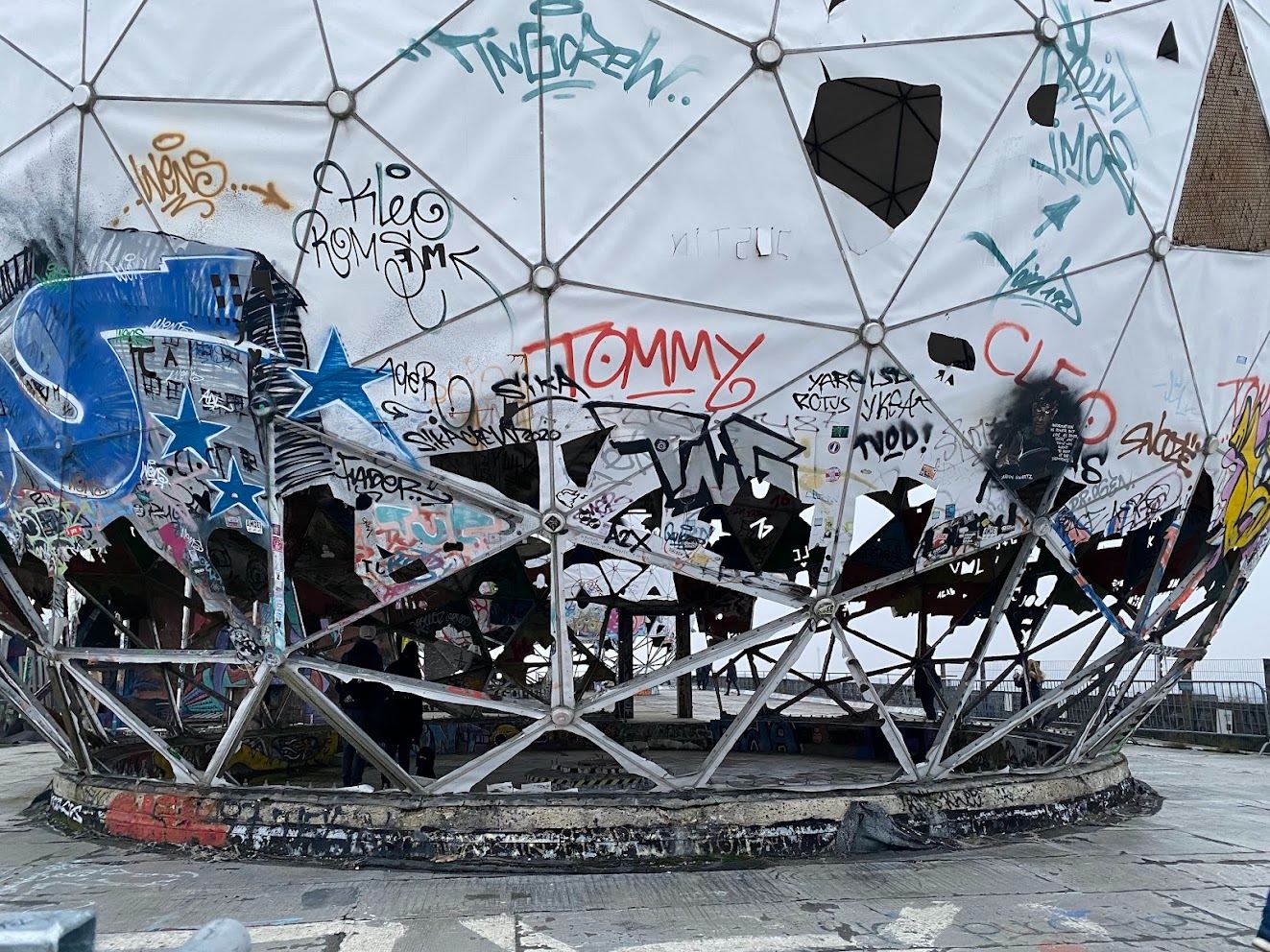
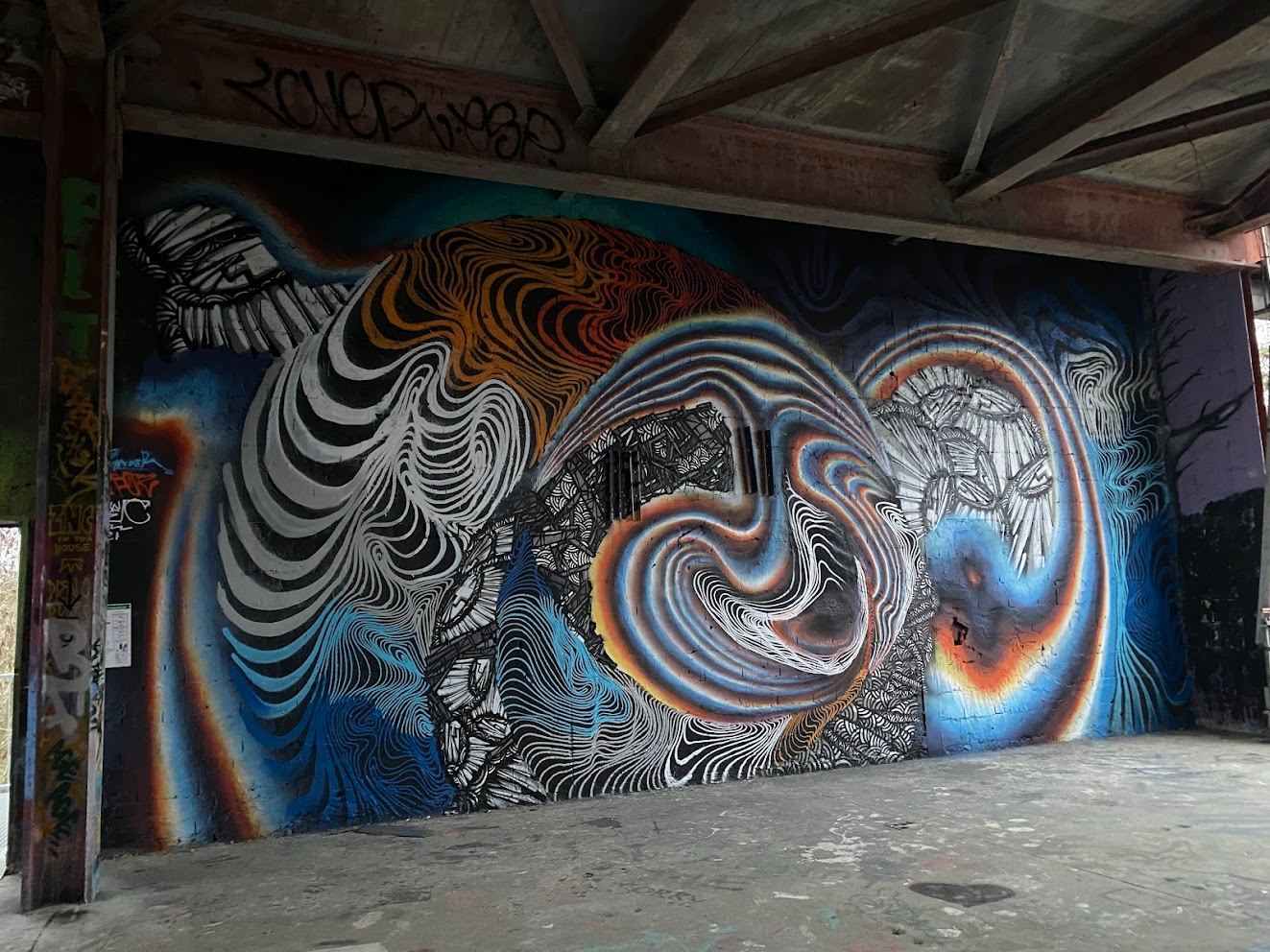
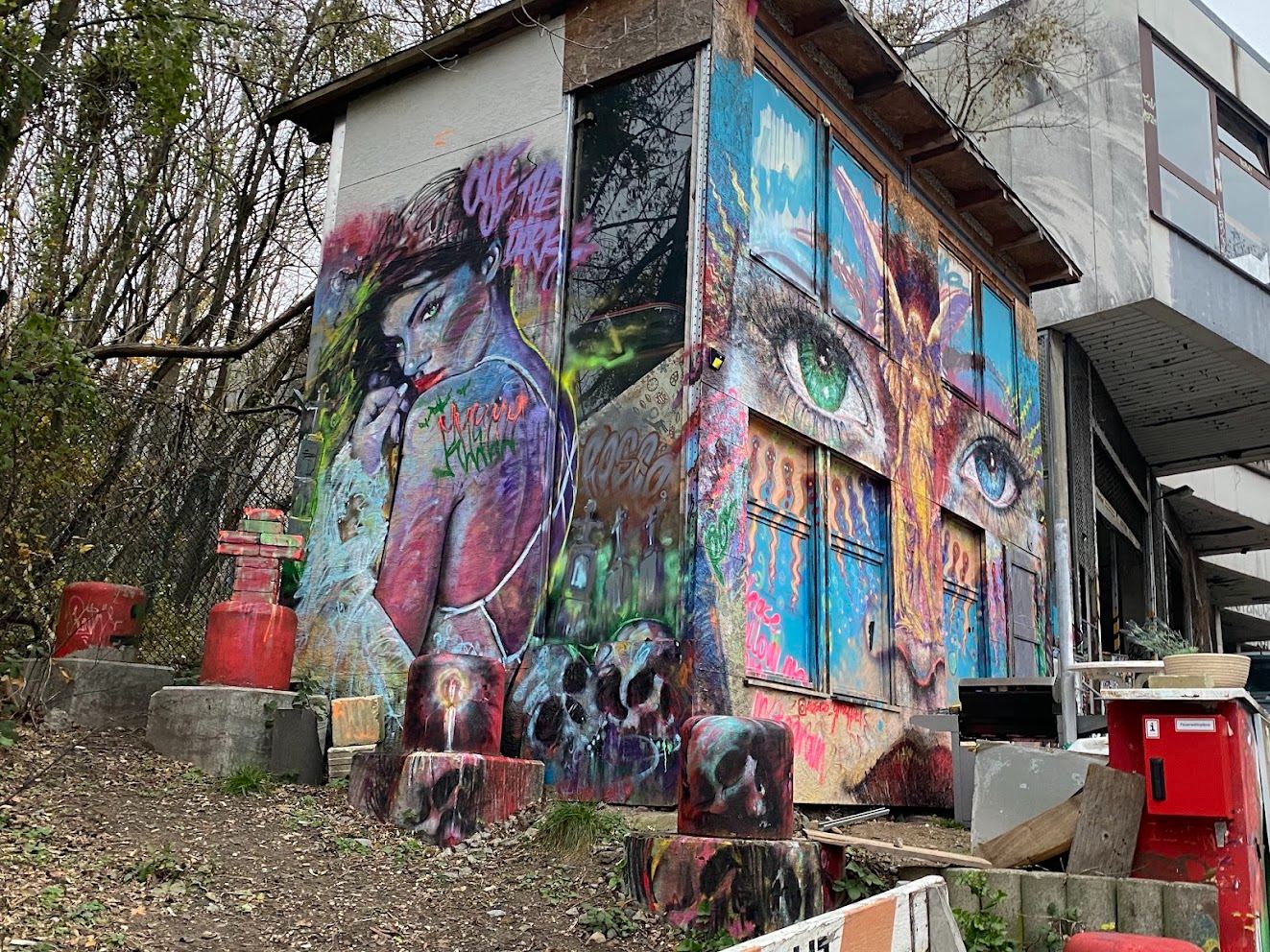
a cold-war spy station on a hill made of war rubble. the americans listened to the east from inside those domes. now the domes are torn open and every surface is painted. the best gallery in berlin has no roof and no door fee.
Nepal
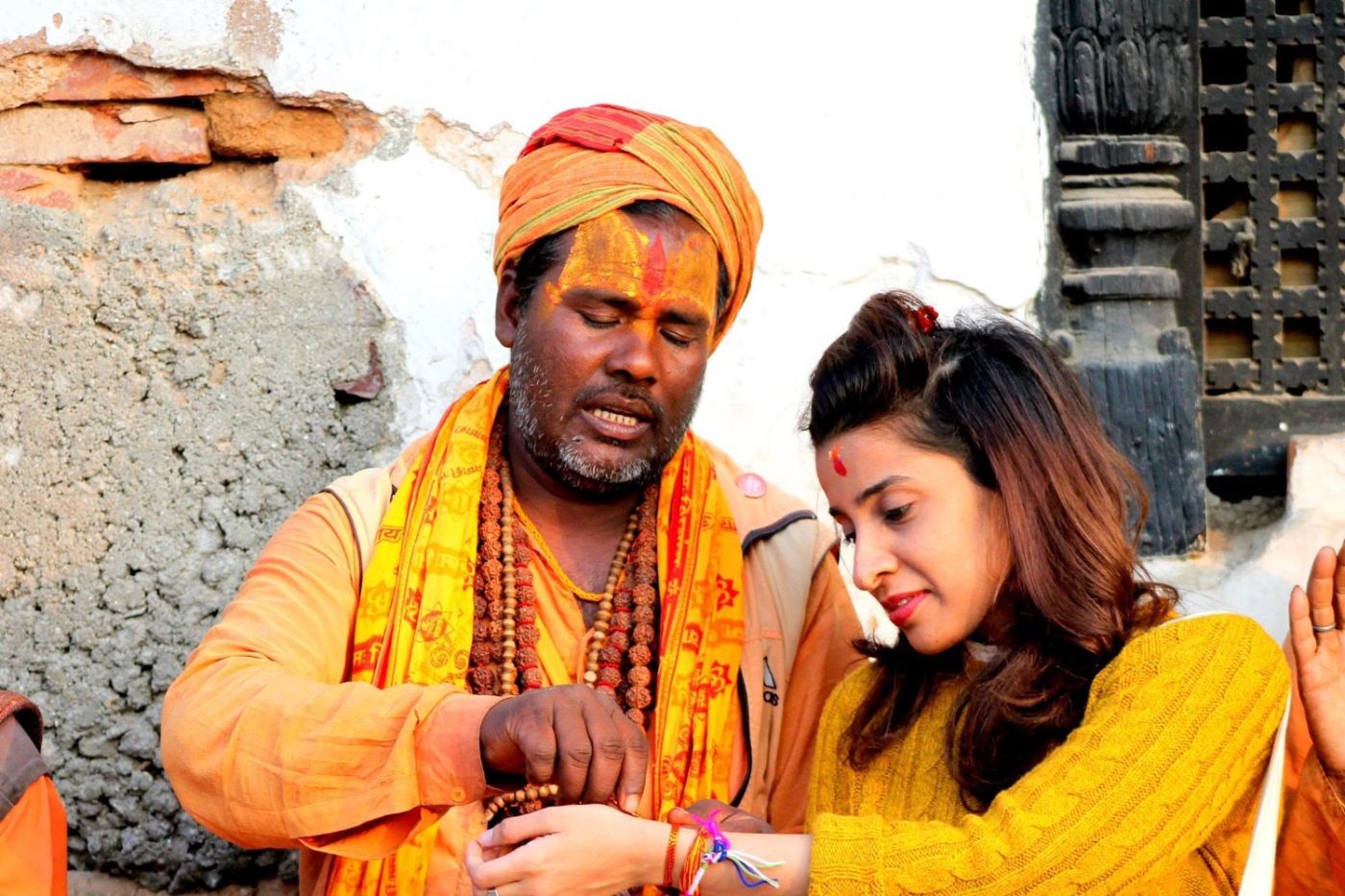
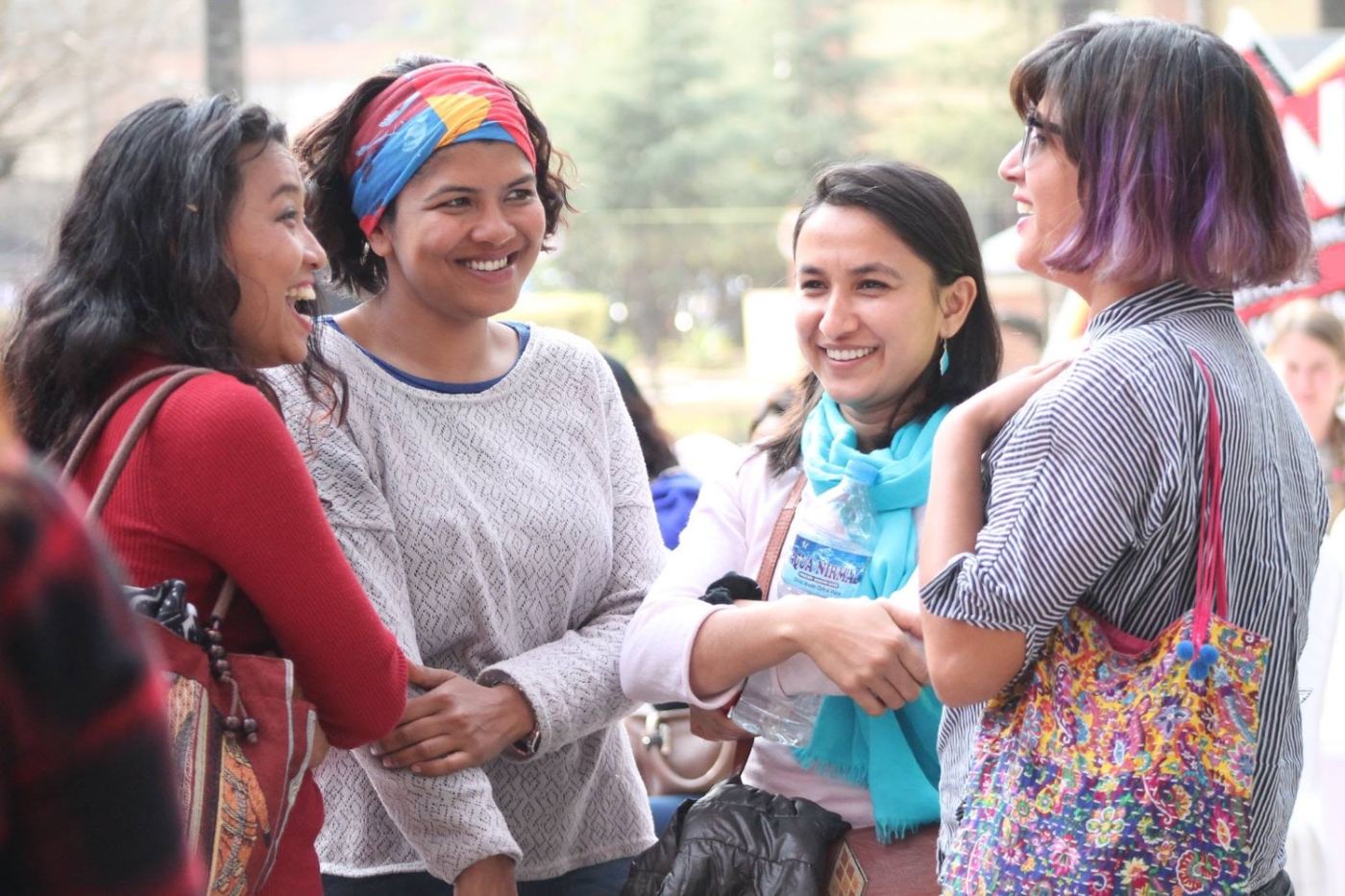
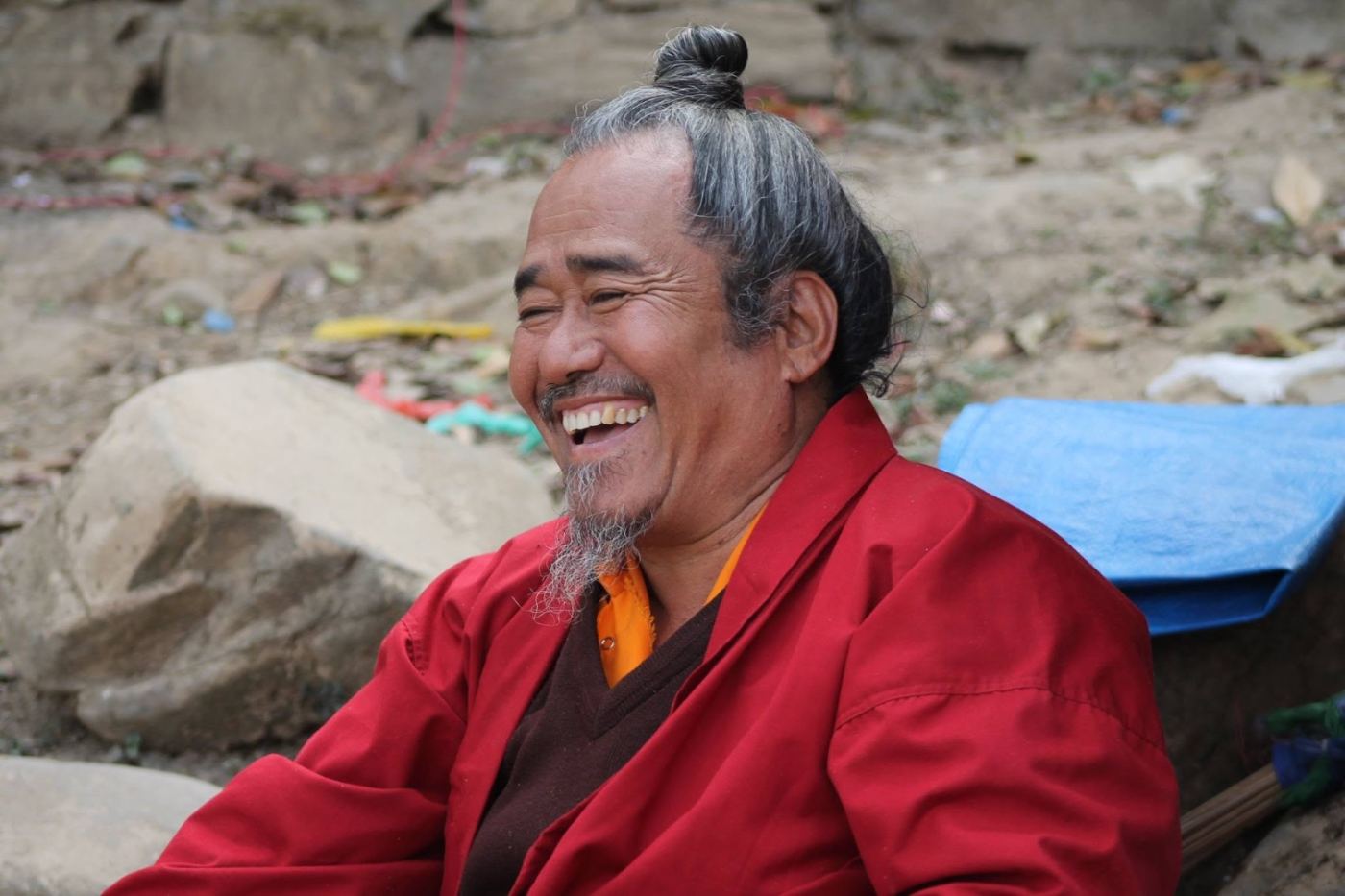
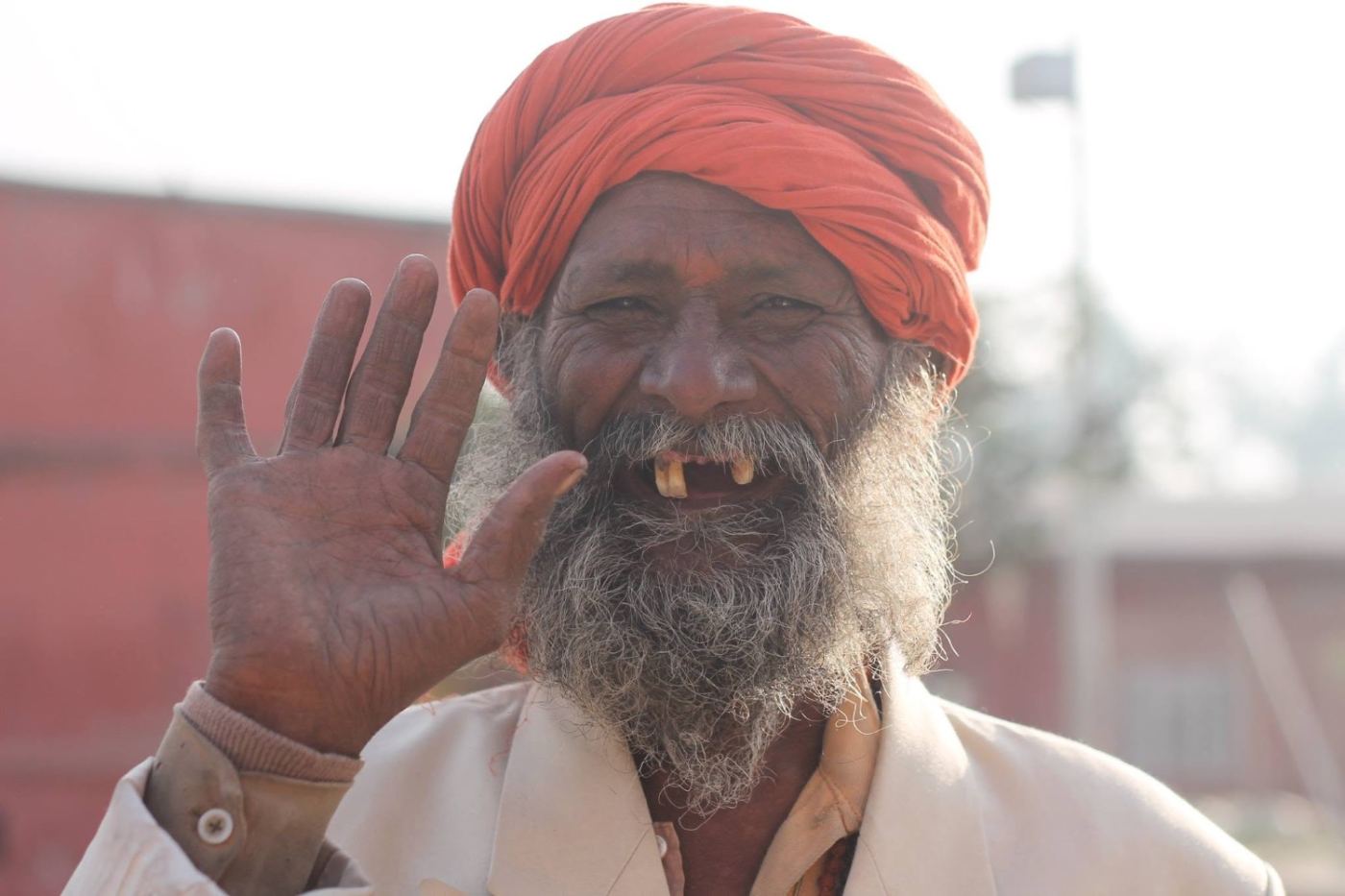
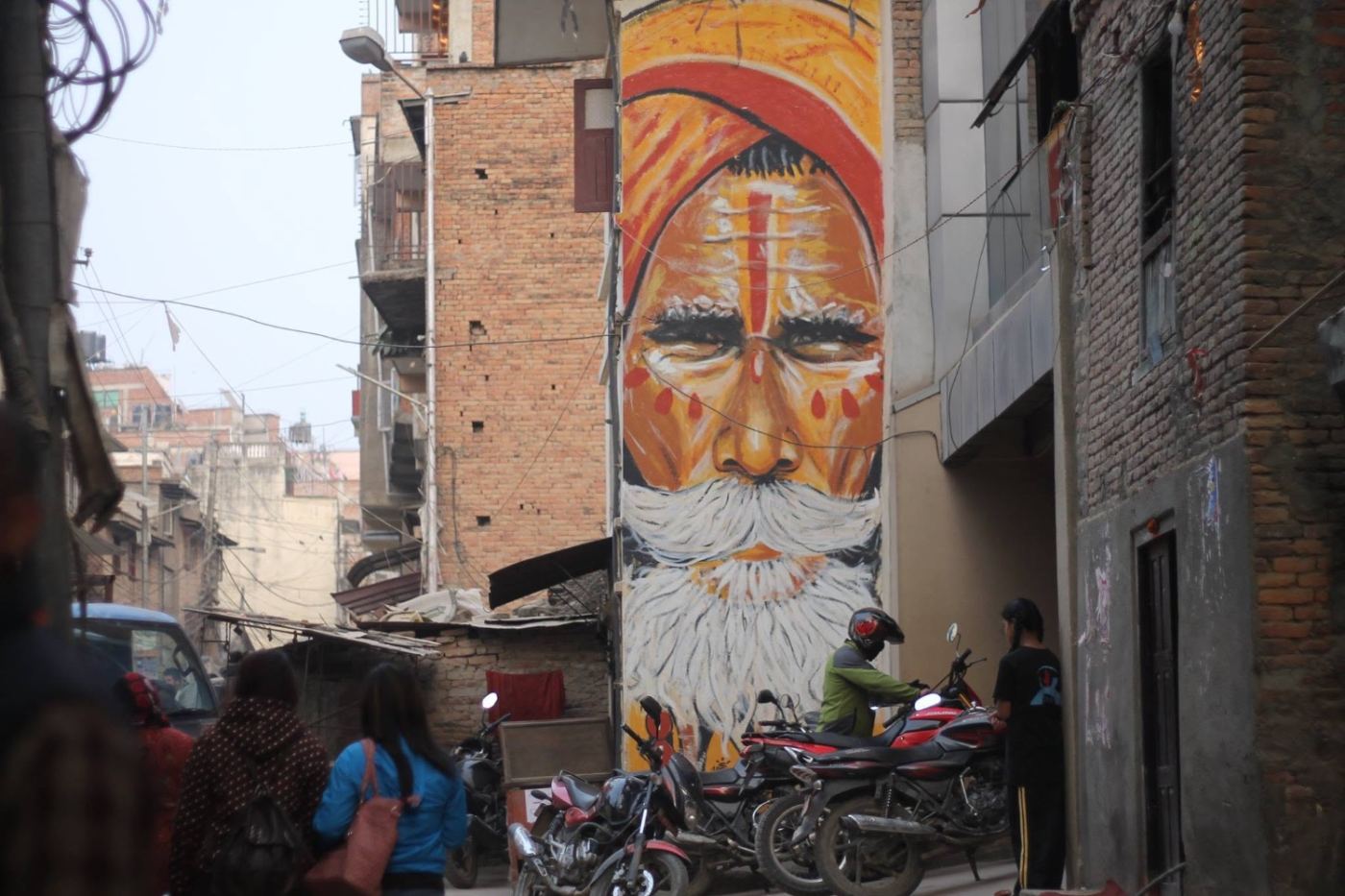
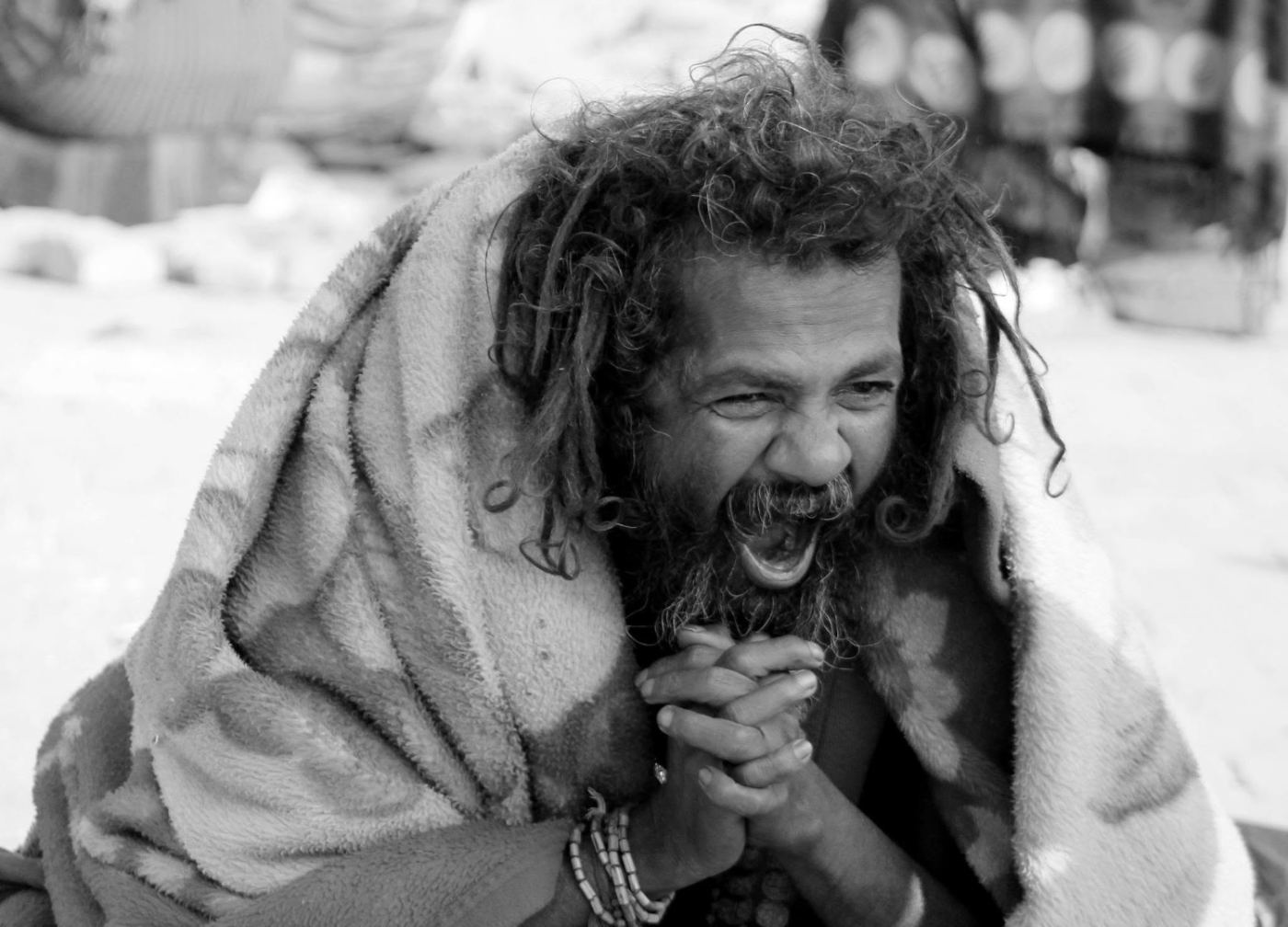
i went for a festival of women and stayed for the sadhus. a sadhu performs his own funeral before he becomes one — the death rites for himself, said in his own mouth, so the caste dissolves and the name goes with it. after that there is no family, no property, no future tense.
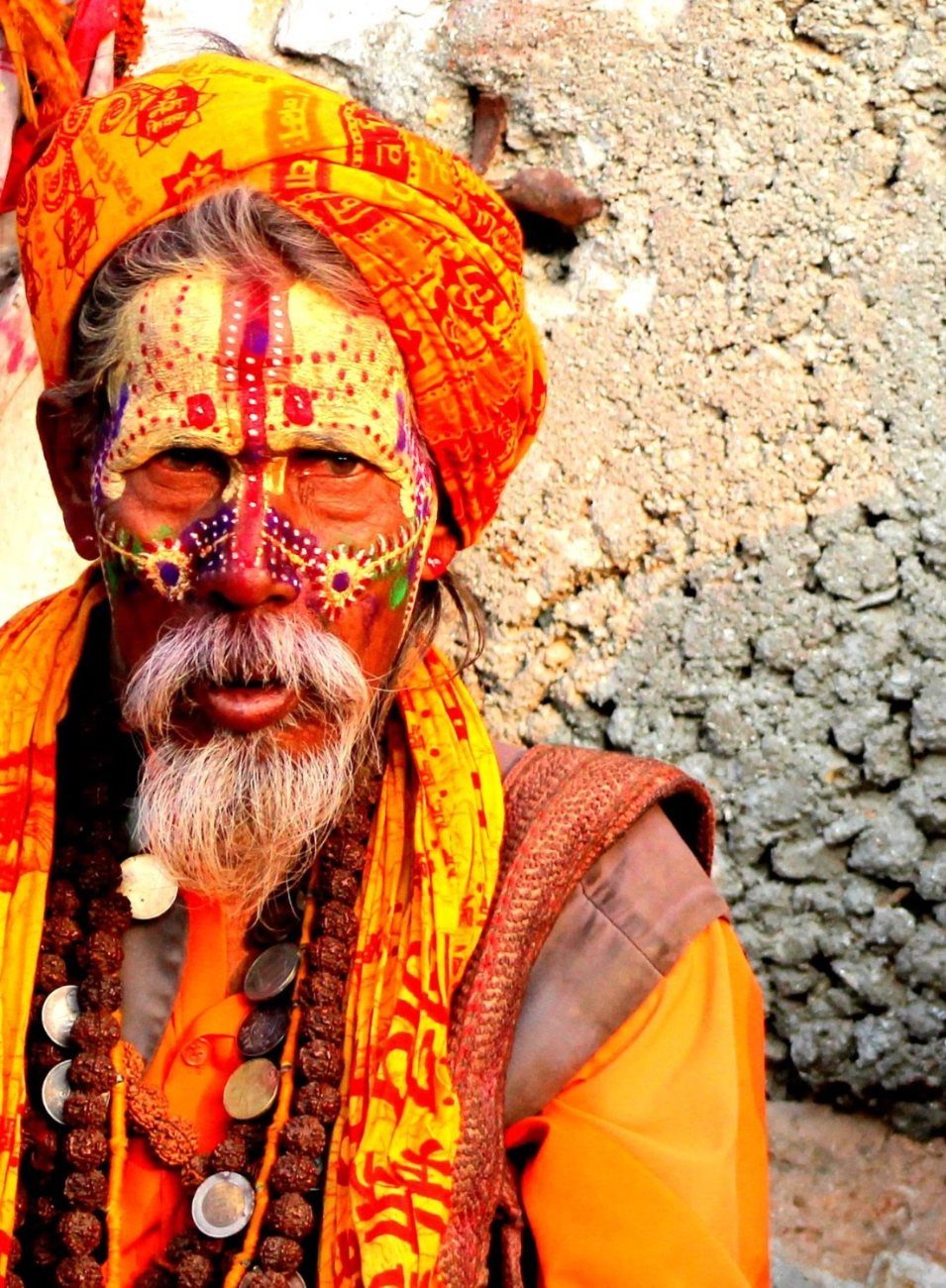
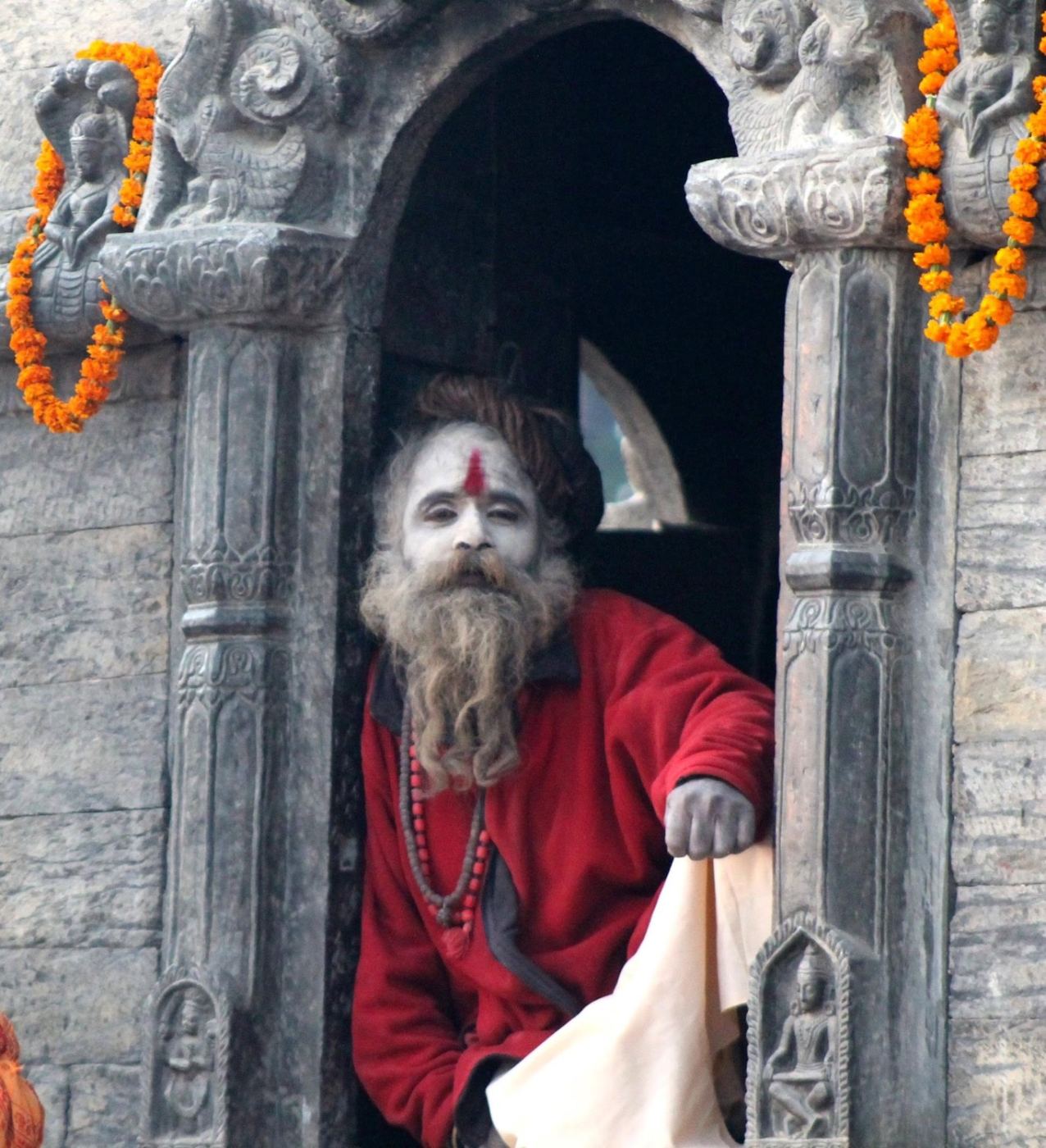
the ash on the skin is vibhuti — ideally lifted from a cremation fire, because ash is what everything becomes and he has decided to wear the ending on purpose. three horizontal lines for shiva. the beads are rudraksha, said to be shiva’s tears. the hair is never cut, because cutting it would be grooming and grooming is vanity. they live at pashupatinath beside the burning ghats on the bagmati, where the bodies go all day, so that they never get to forget what they already agreed to.
and then a tourist pays five hundred rupees to photograph the man who killed his own ego. i paid. i’m not standing outside that transaction — i’m inside it, holding the camera
The Faces At Home
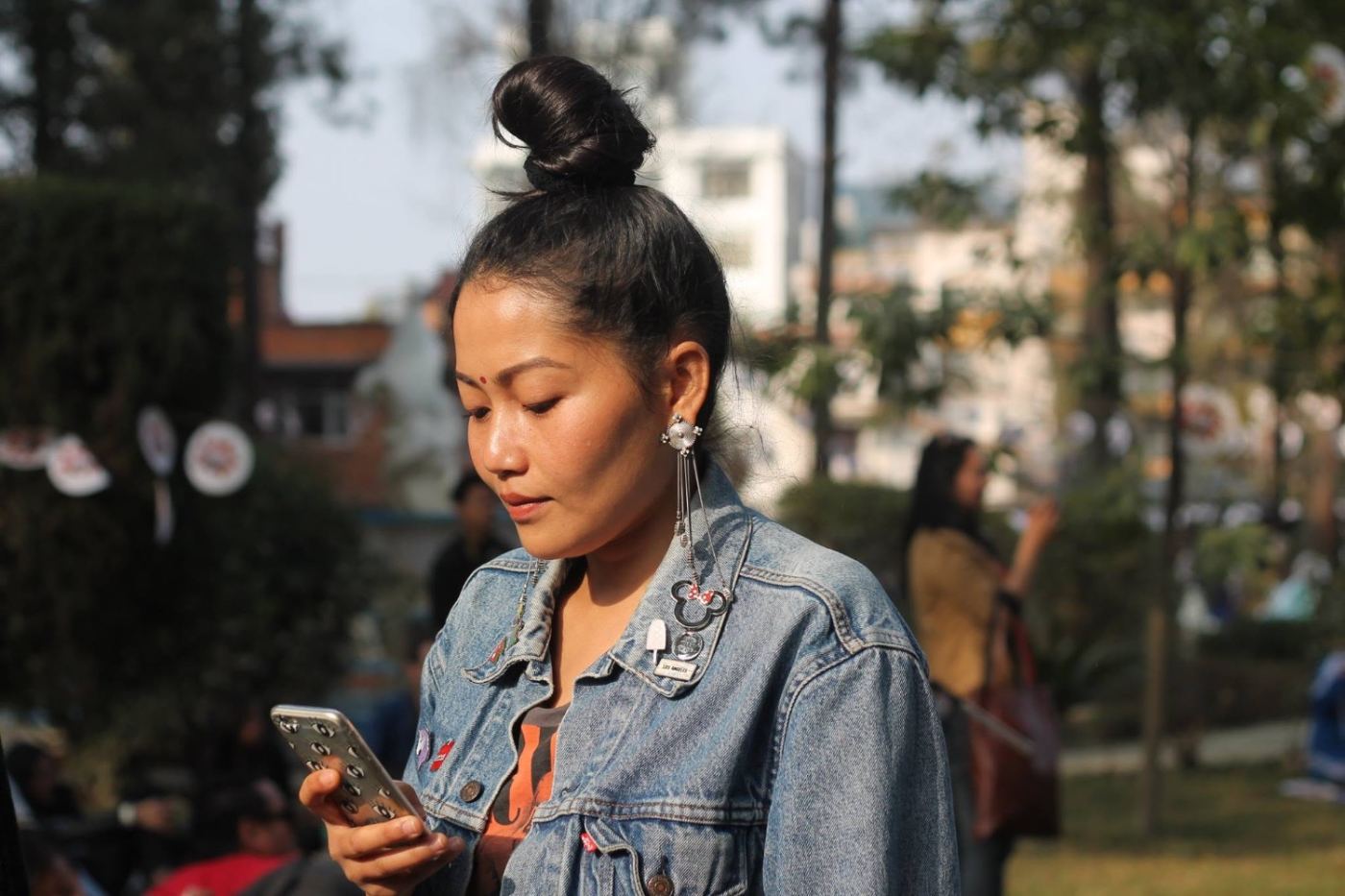
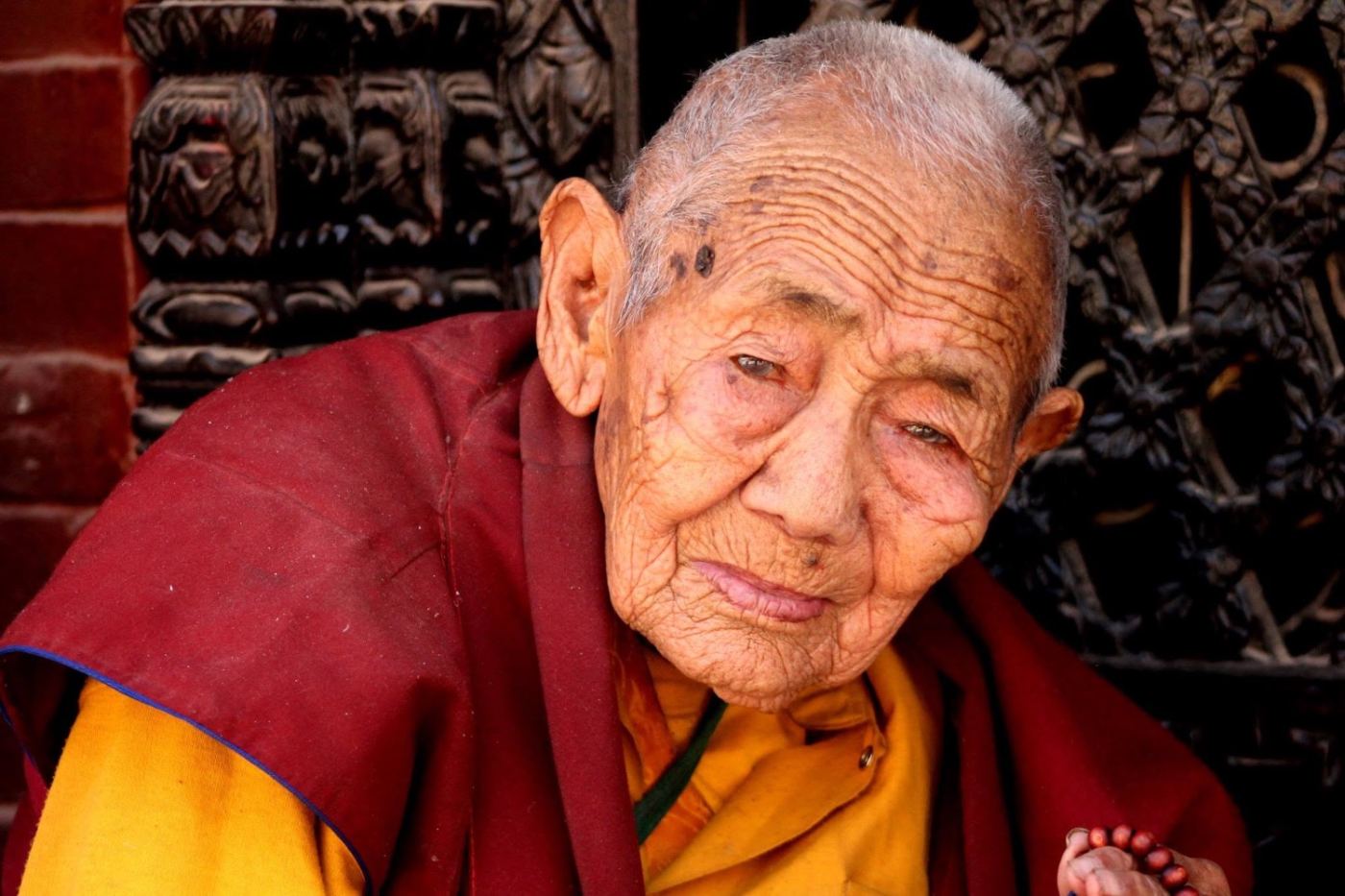
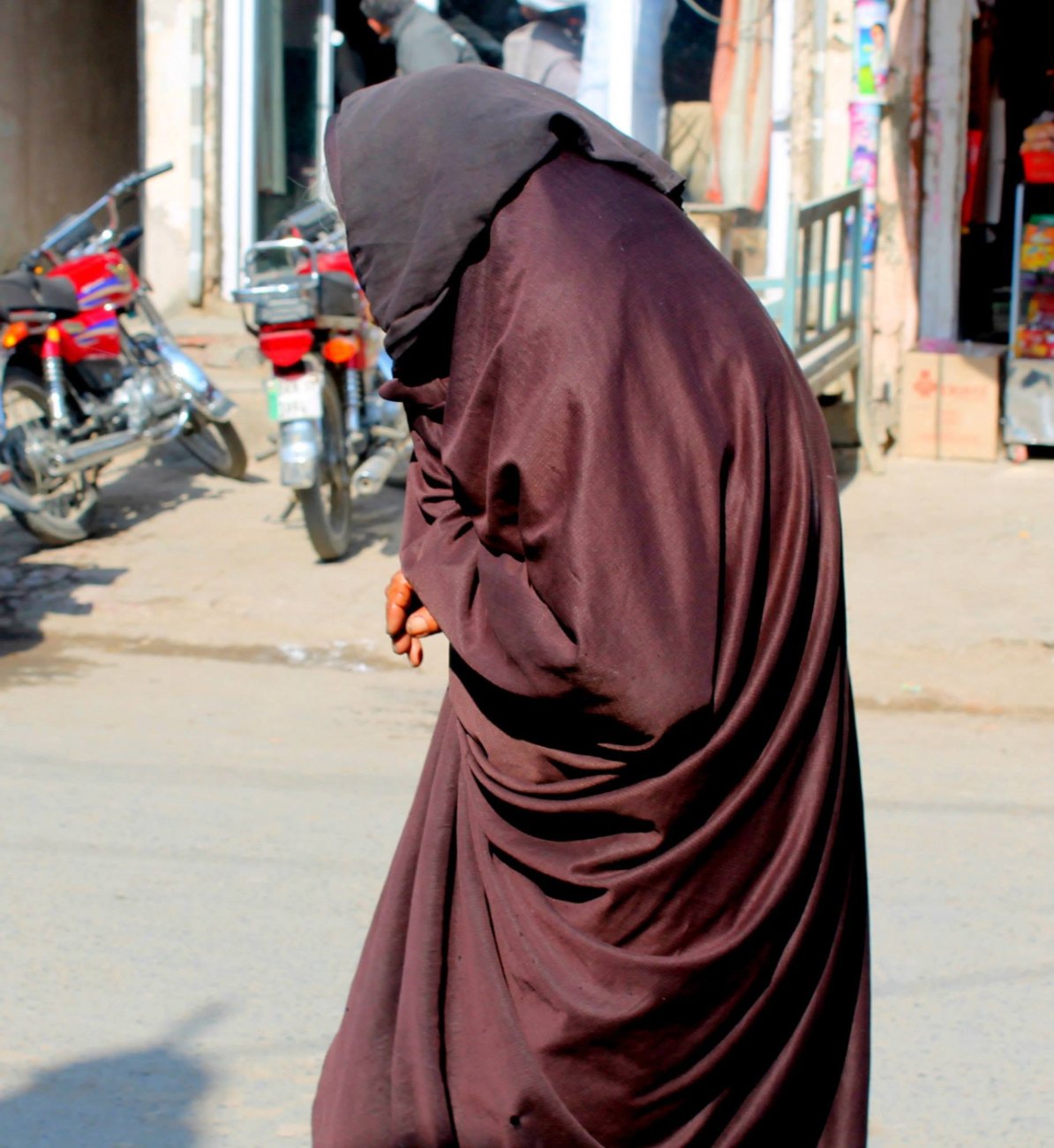
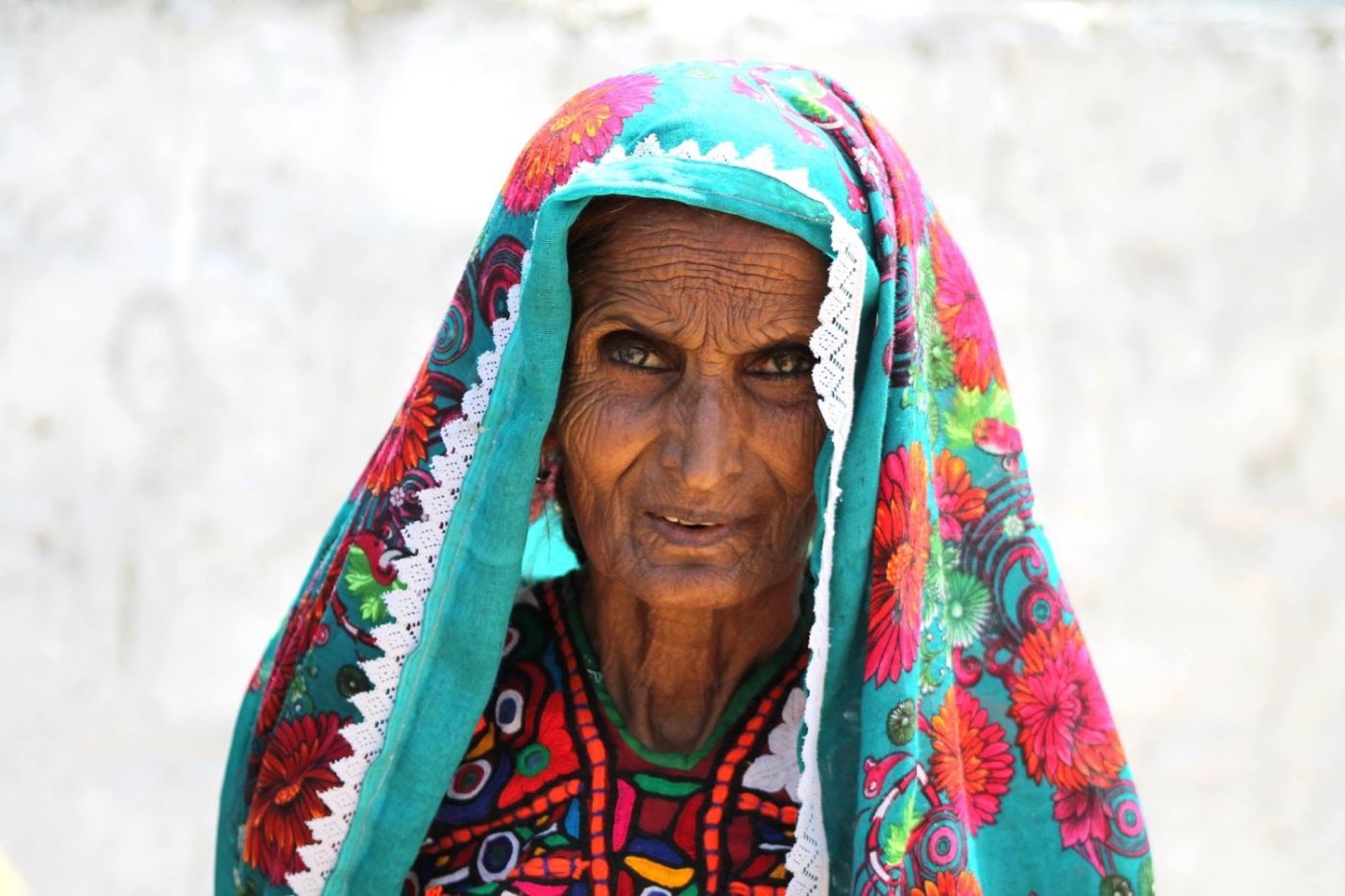
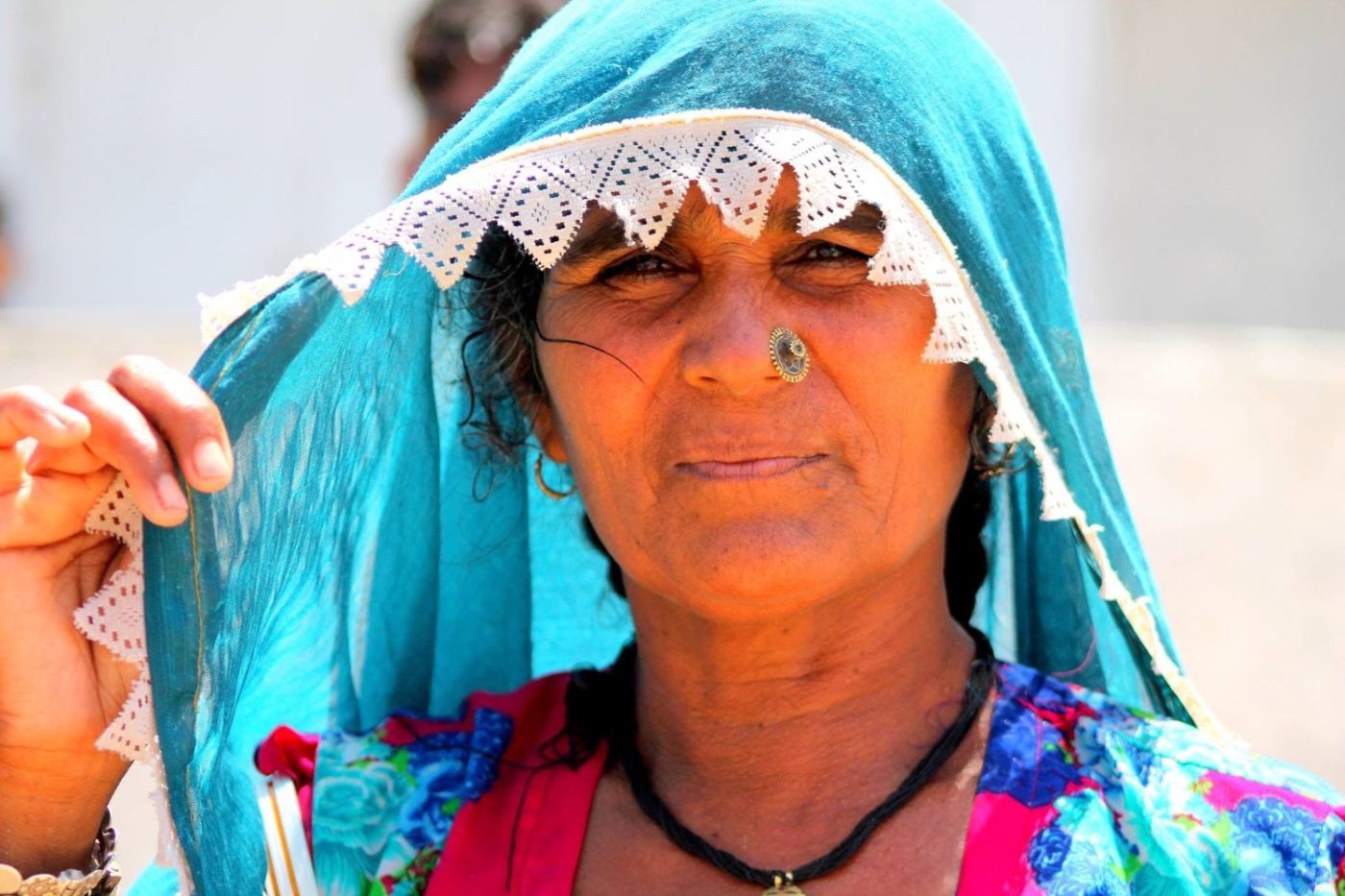
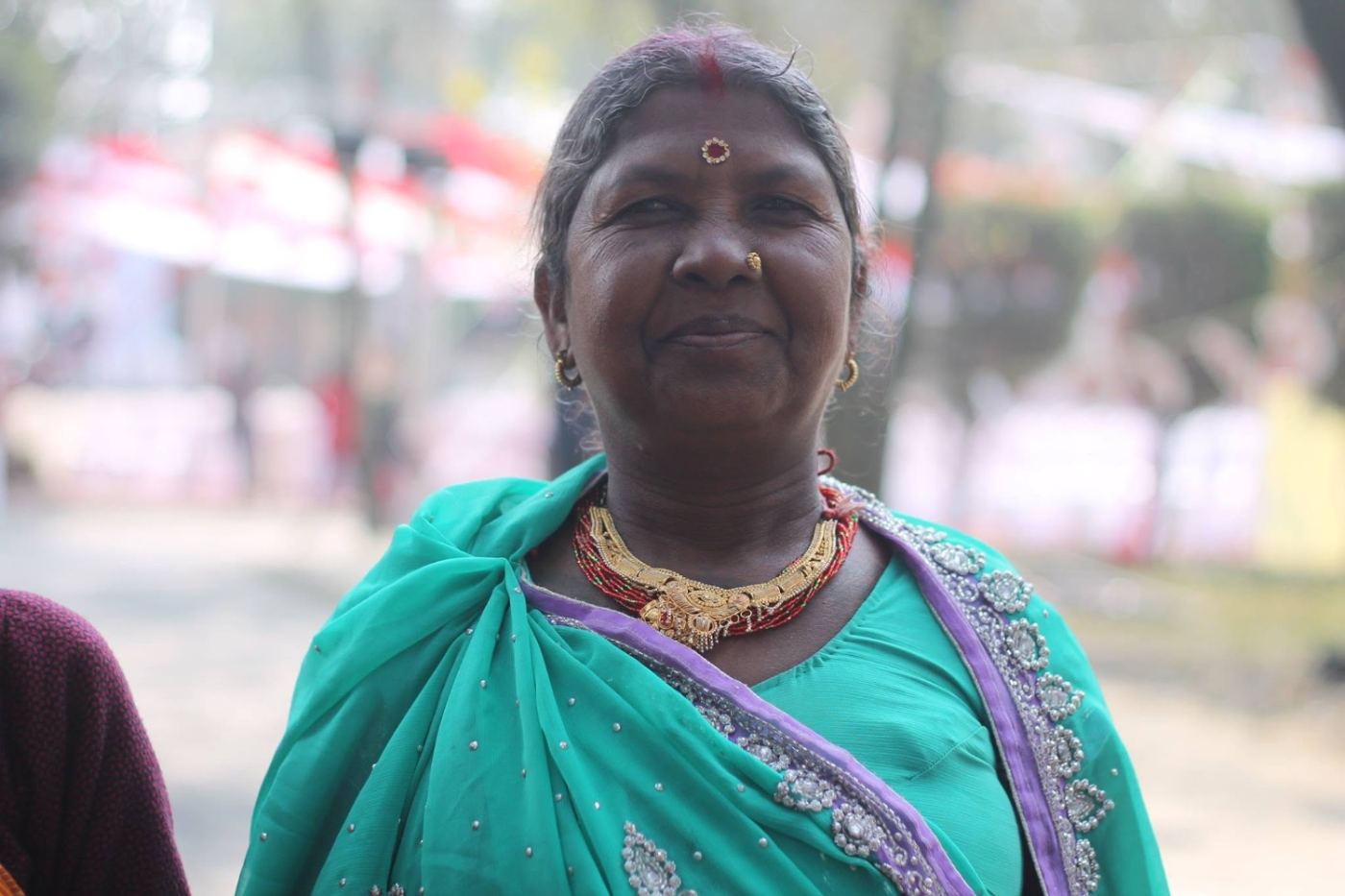
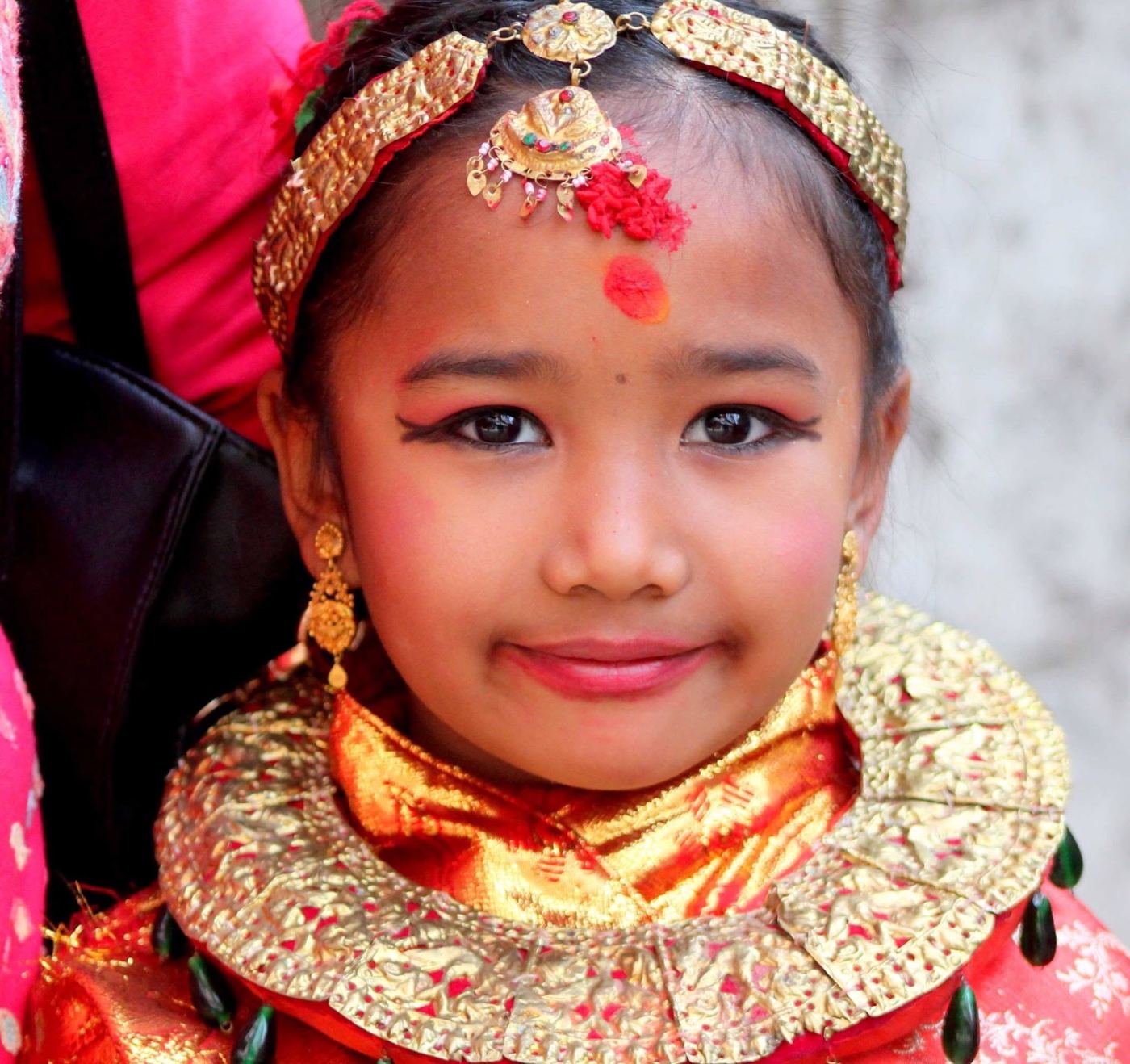
the portraits the fashion magazines wouldn’t print — women with weather in their faces and gold in their noses. nobody here was styled. everybody here decided how they were photographed.
They Were Told Not To
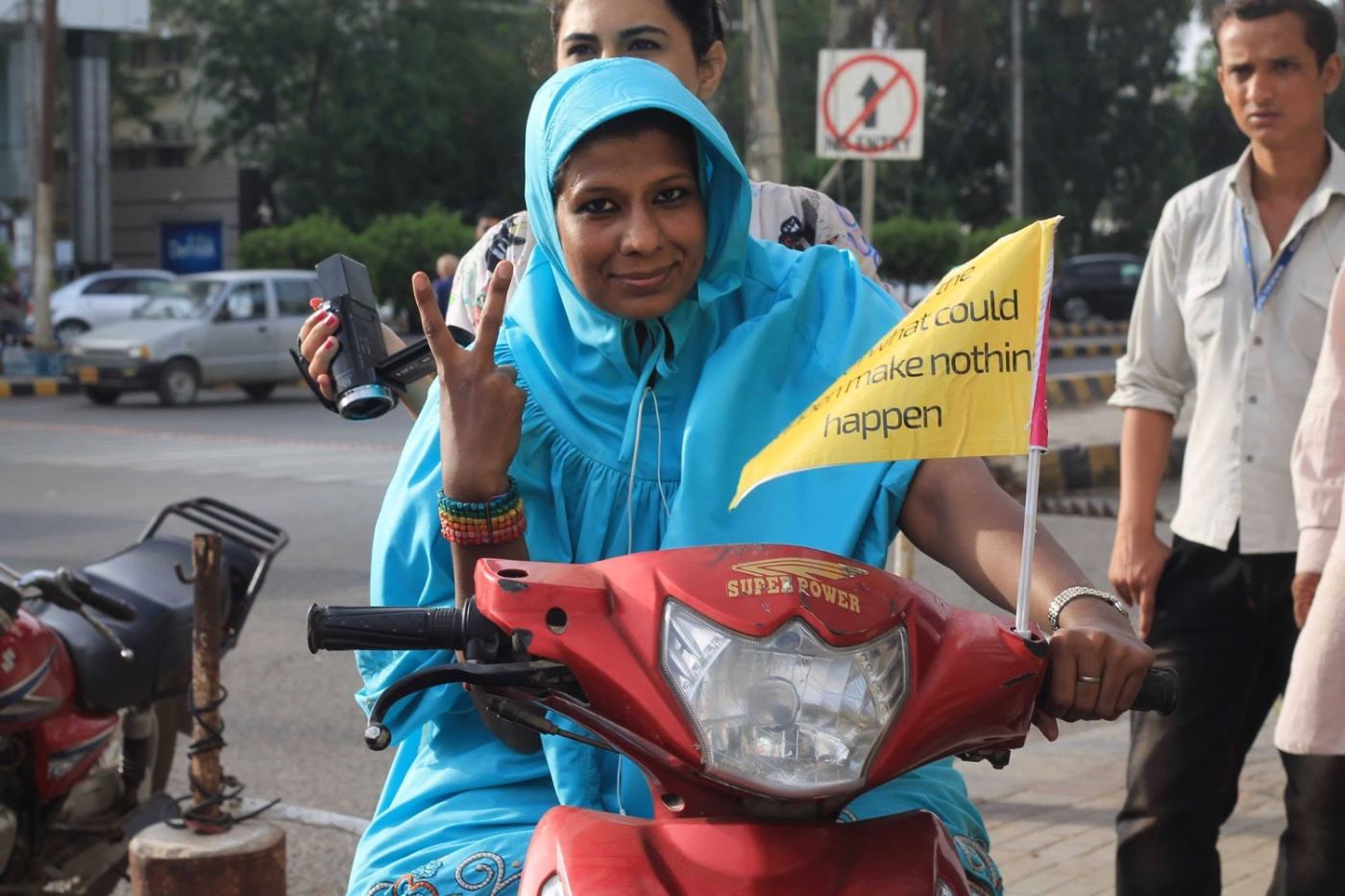
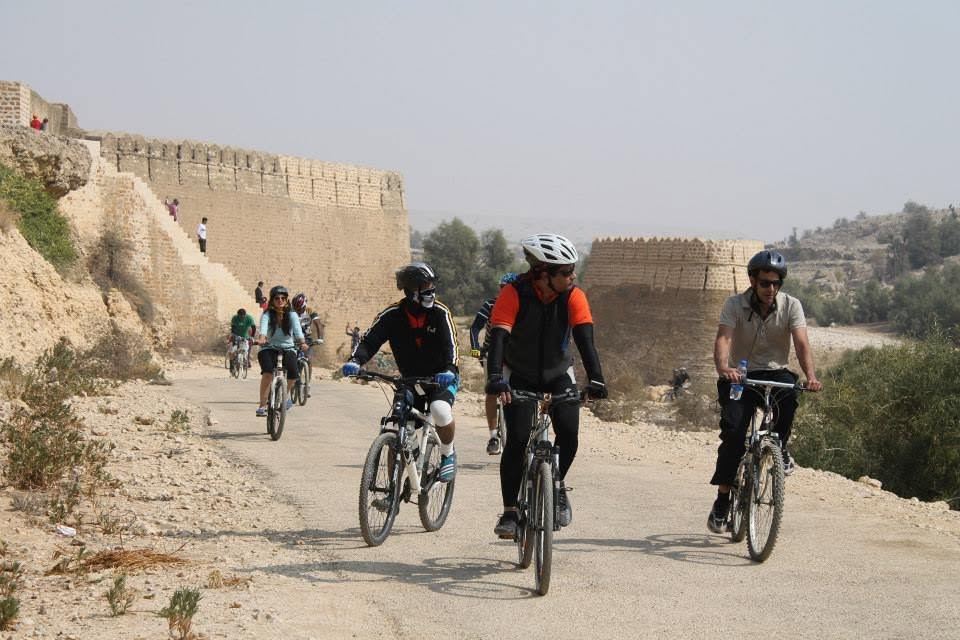
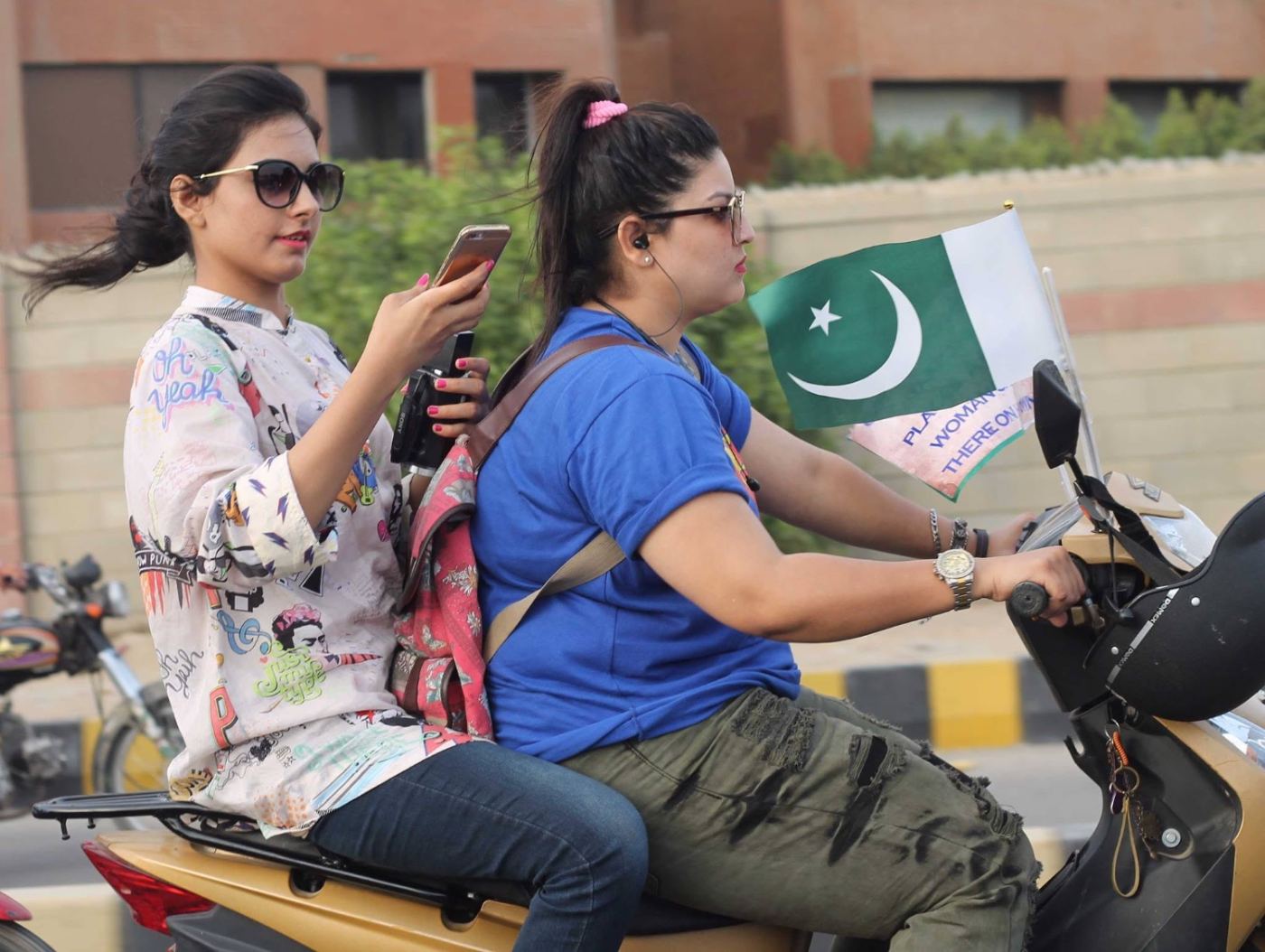
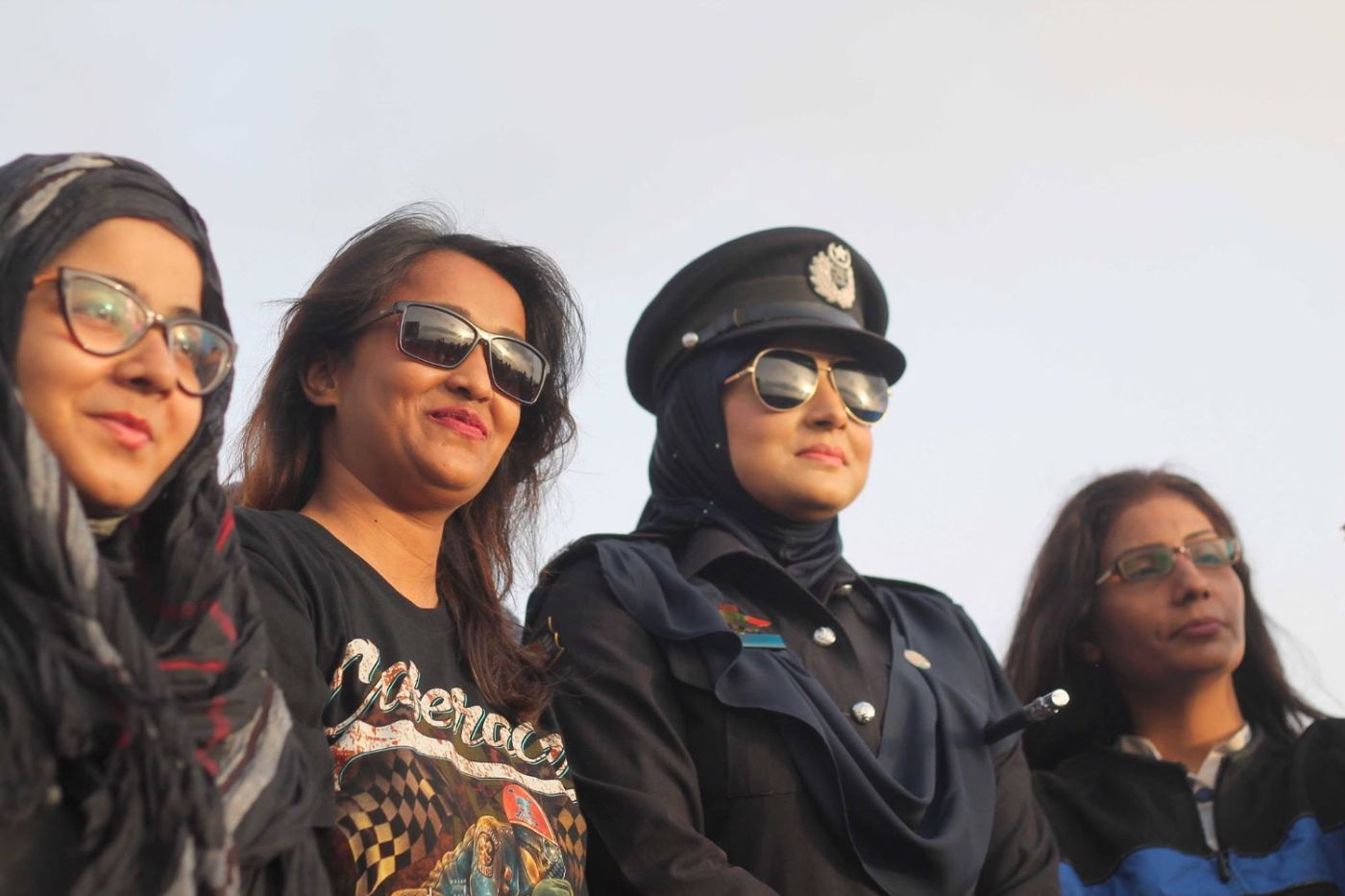
bicycle rallies past the fort. two women and a flag on one scooter. a sports day nobody asked permission for. i wasn’t documenting a hobby — i was documenting women taking a street back.

Kami Sid
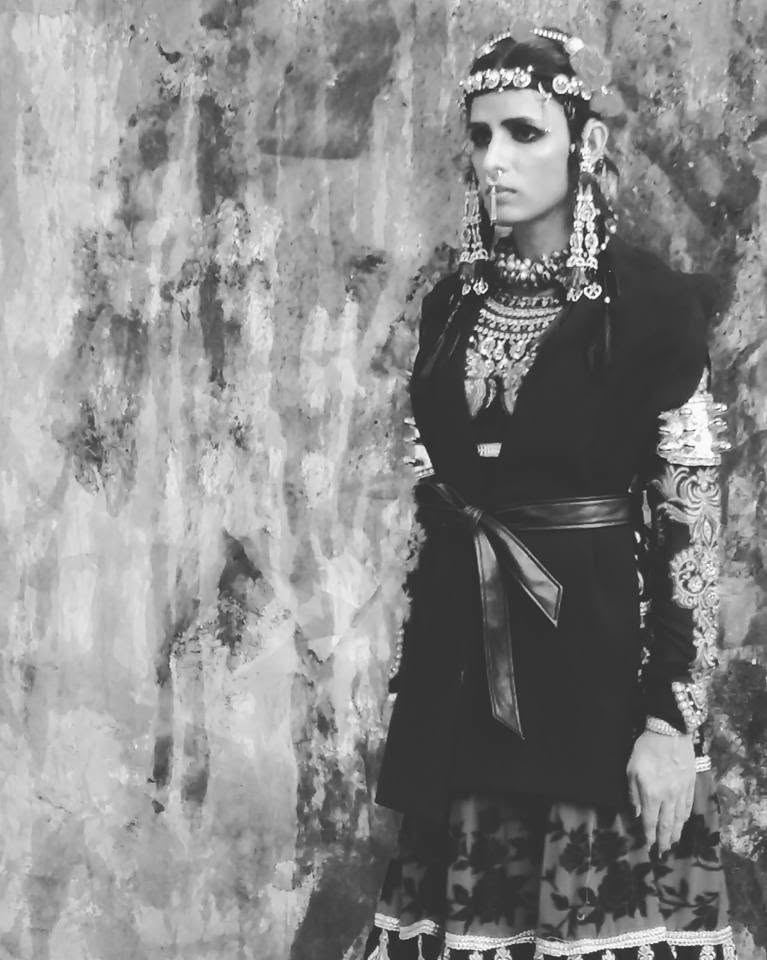
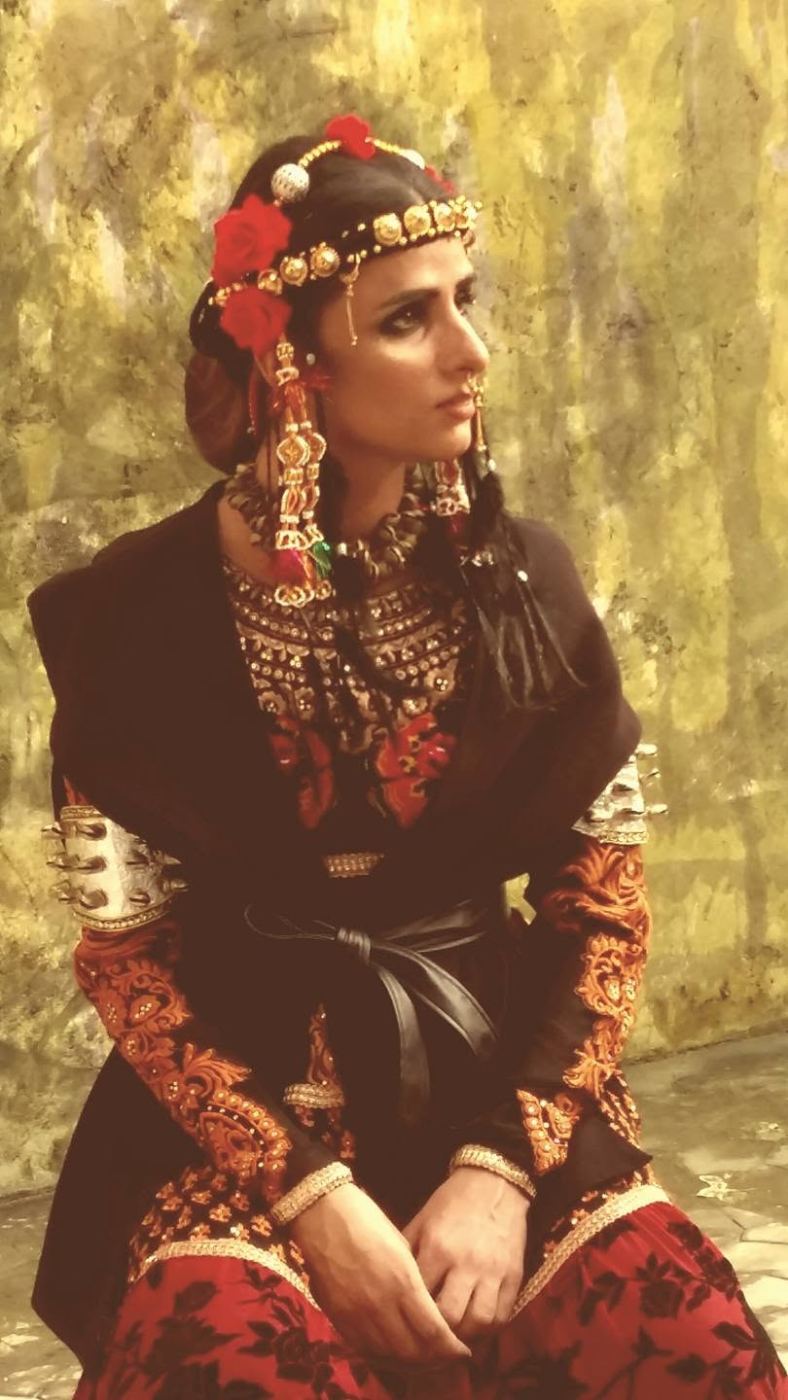
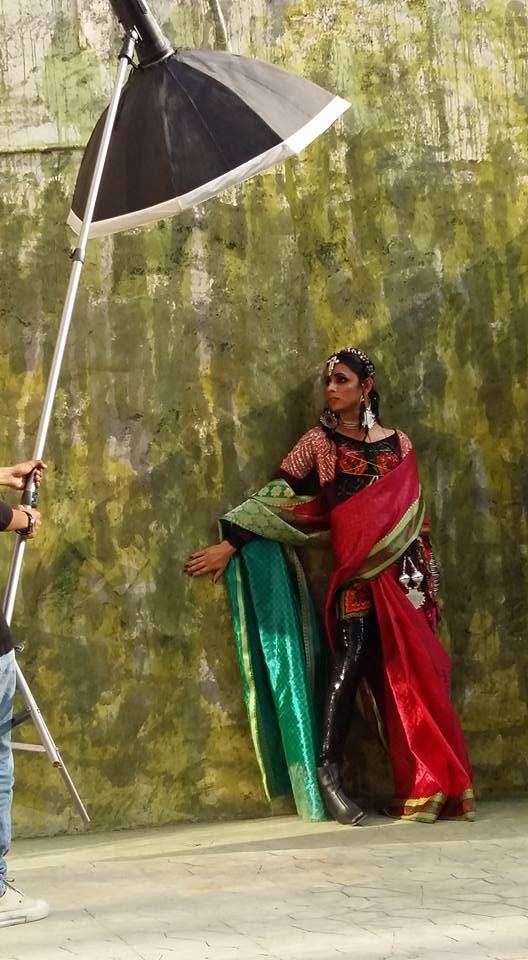
i photographed Kami Sid — pakistan’s first transgender model — for a campaign no magazine had commissioned and most of the industry pretended not to see. silver, kohl, a painted backdrop, one lamp on a lawn. she chose every frame. it ran anyway, and it travelled further than anything i had shot before.
What The Heat Does
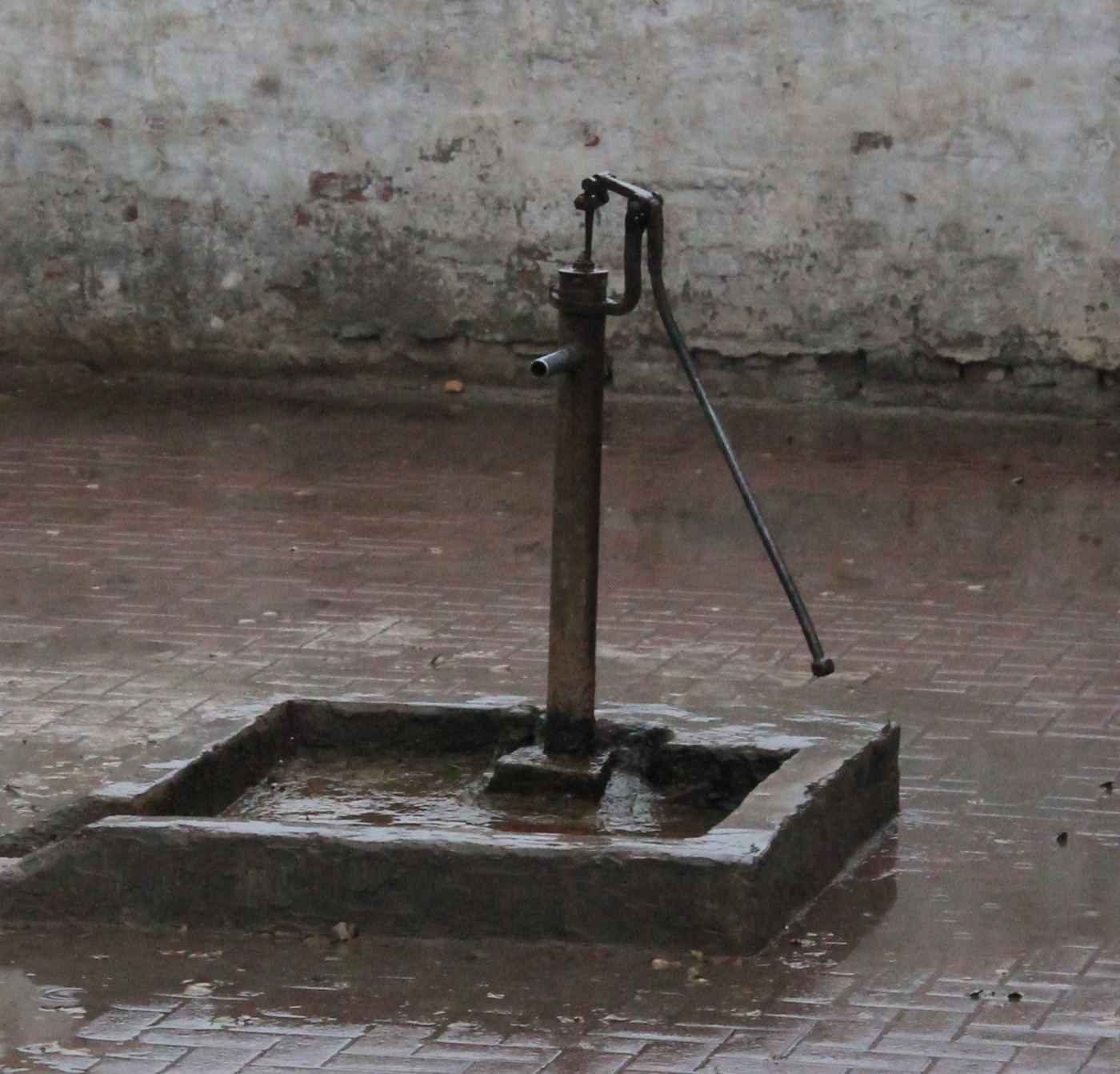
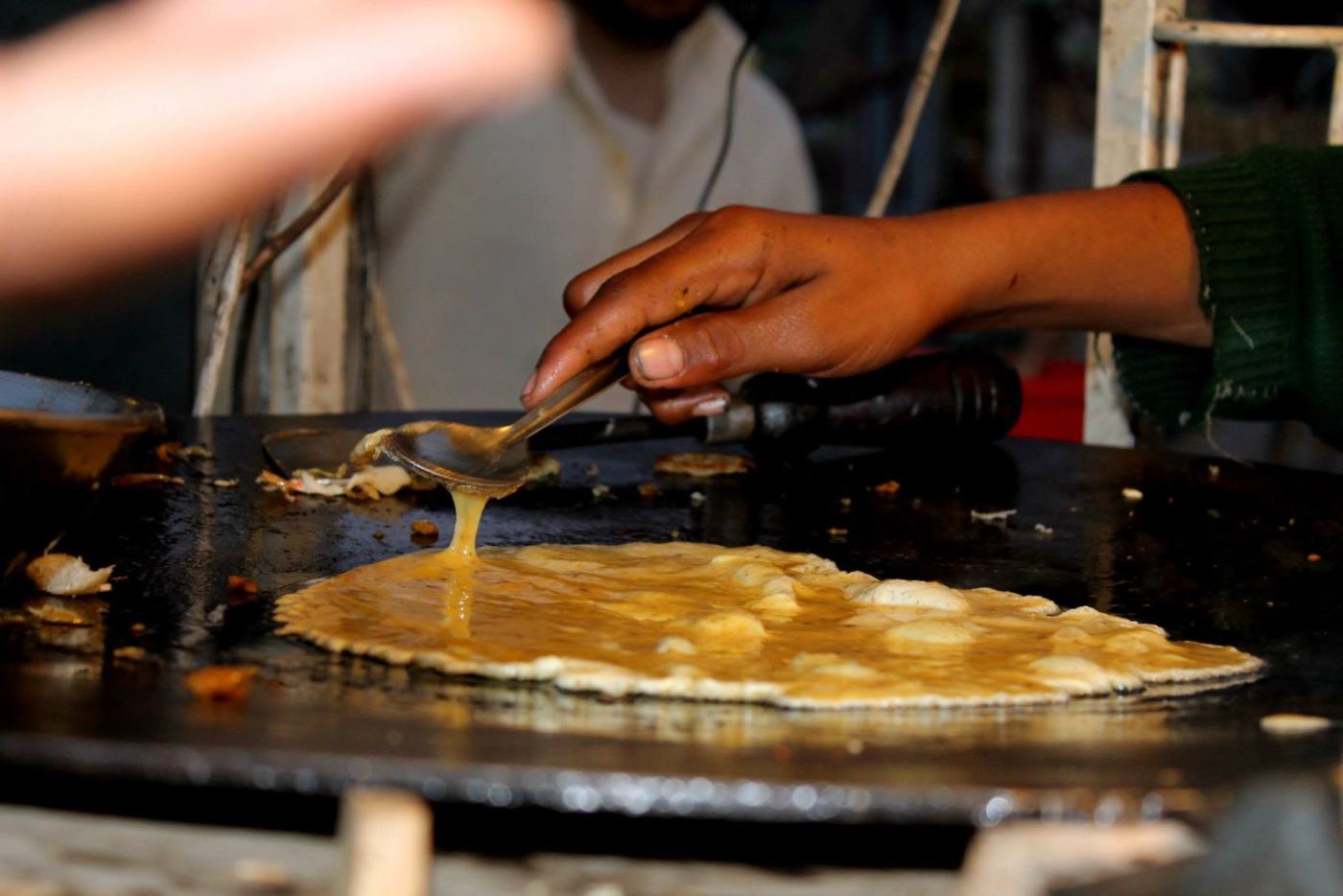
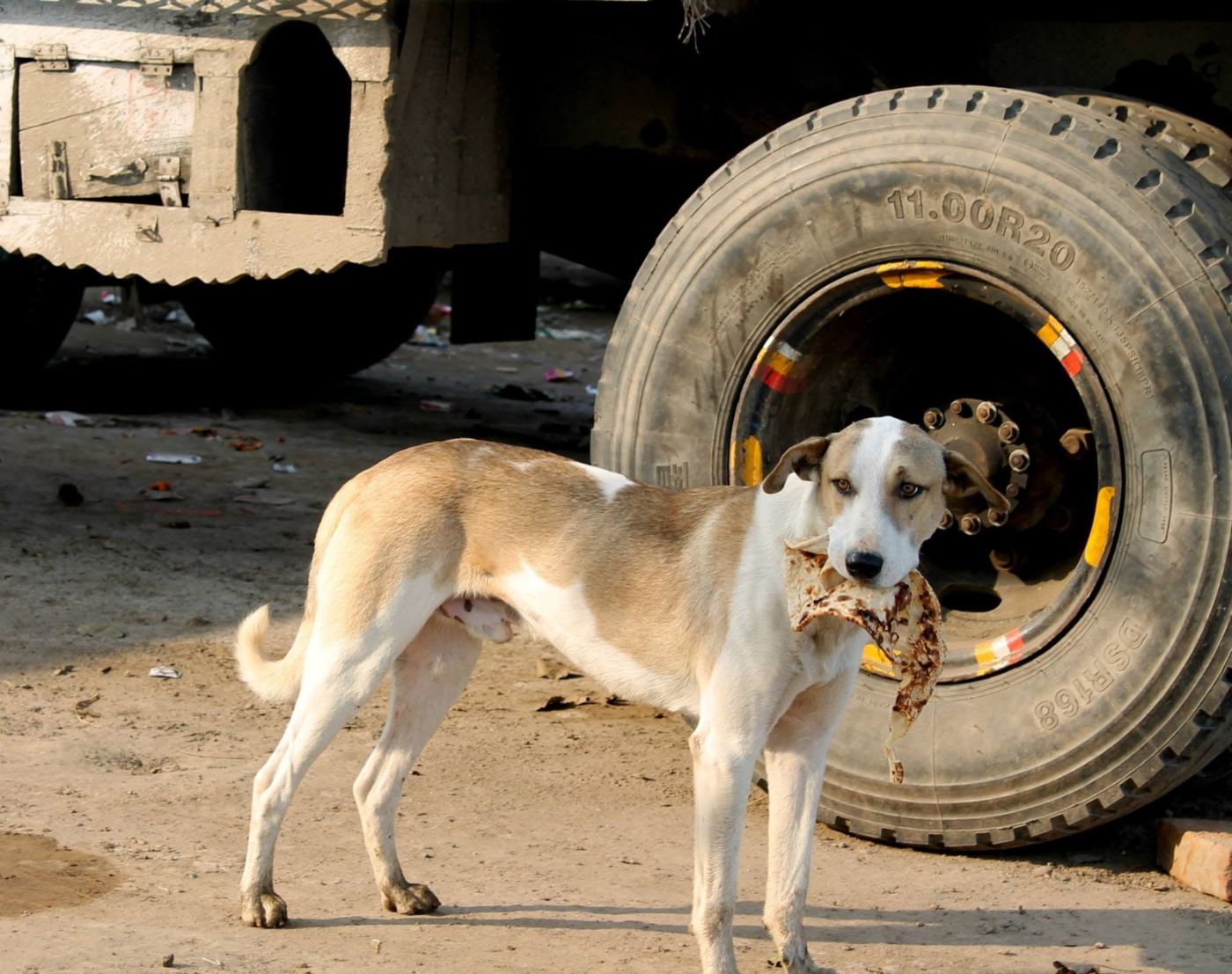
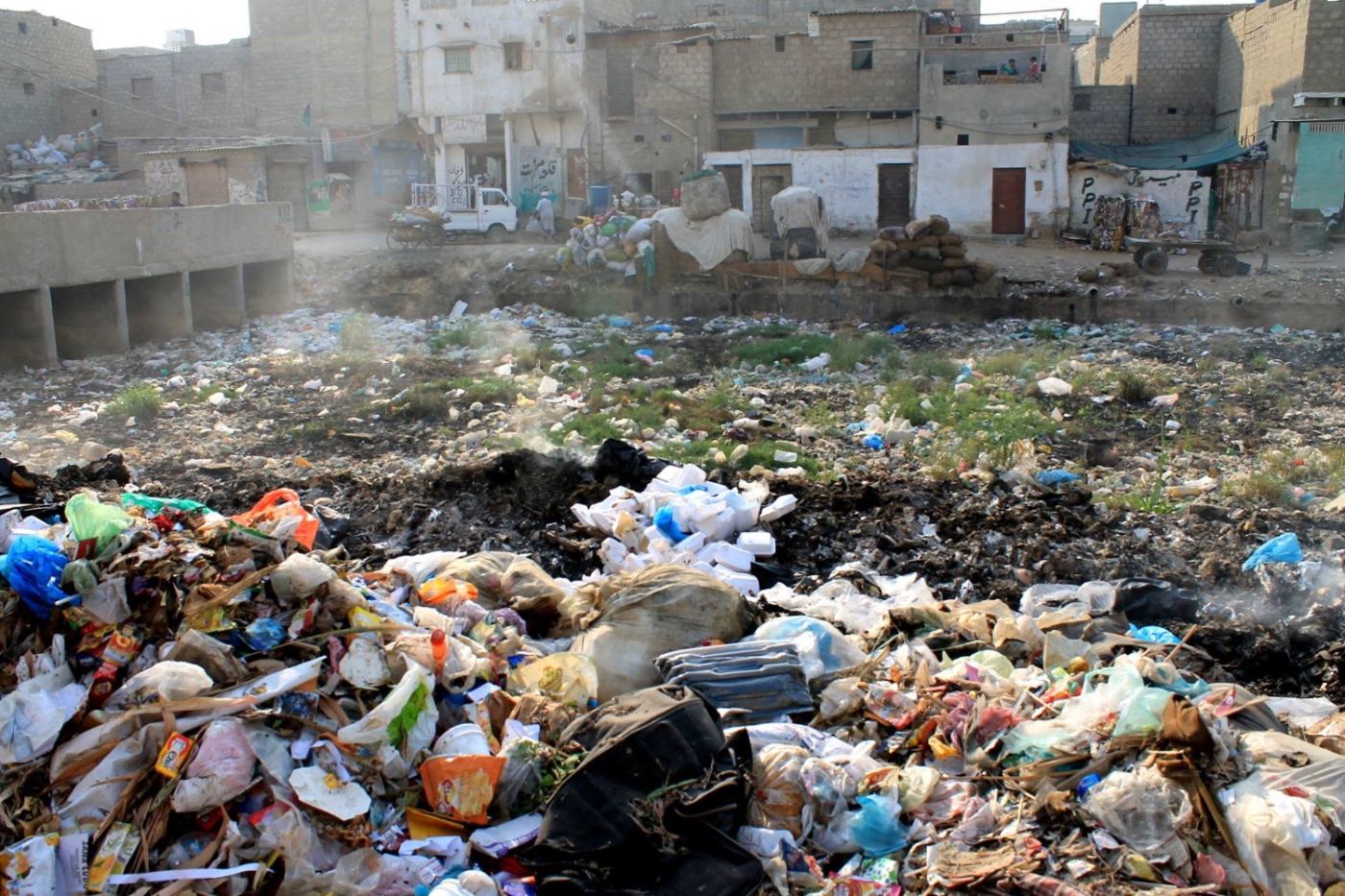
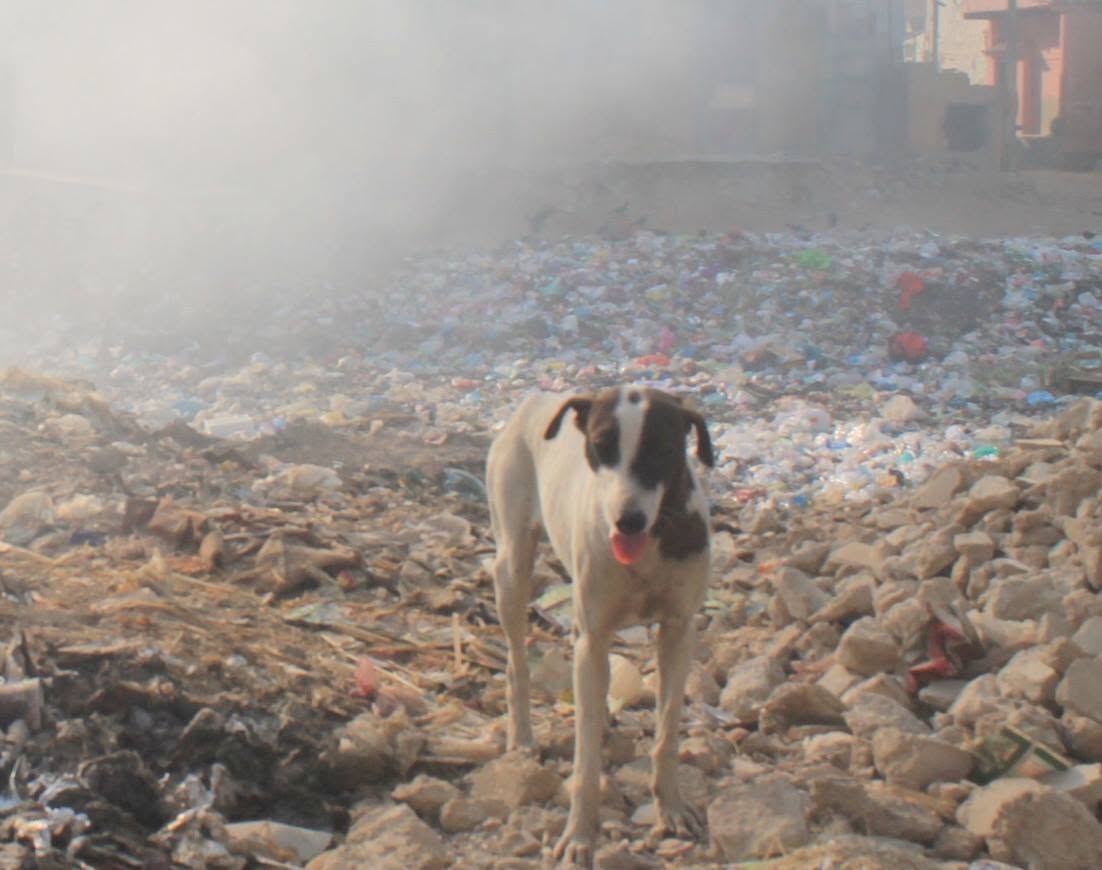
the hand pump that holds a whole street’s water. the garbage that becomes a landscape. the dogs who live in the smoke. i was photographing climate before i had the word for it — it was just what the place looked like.
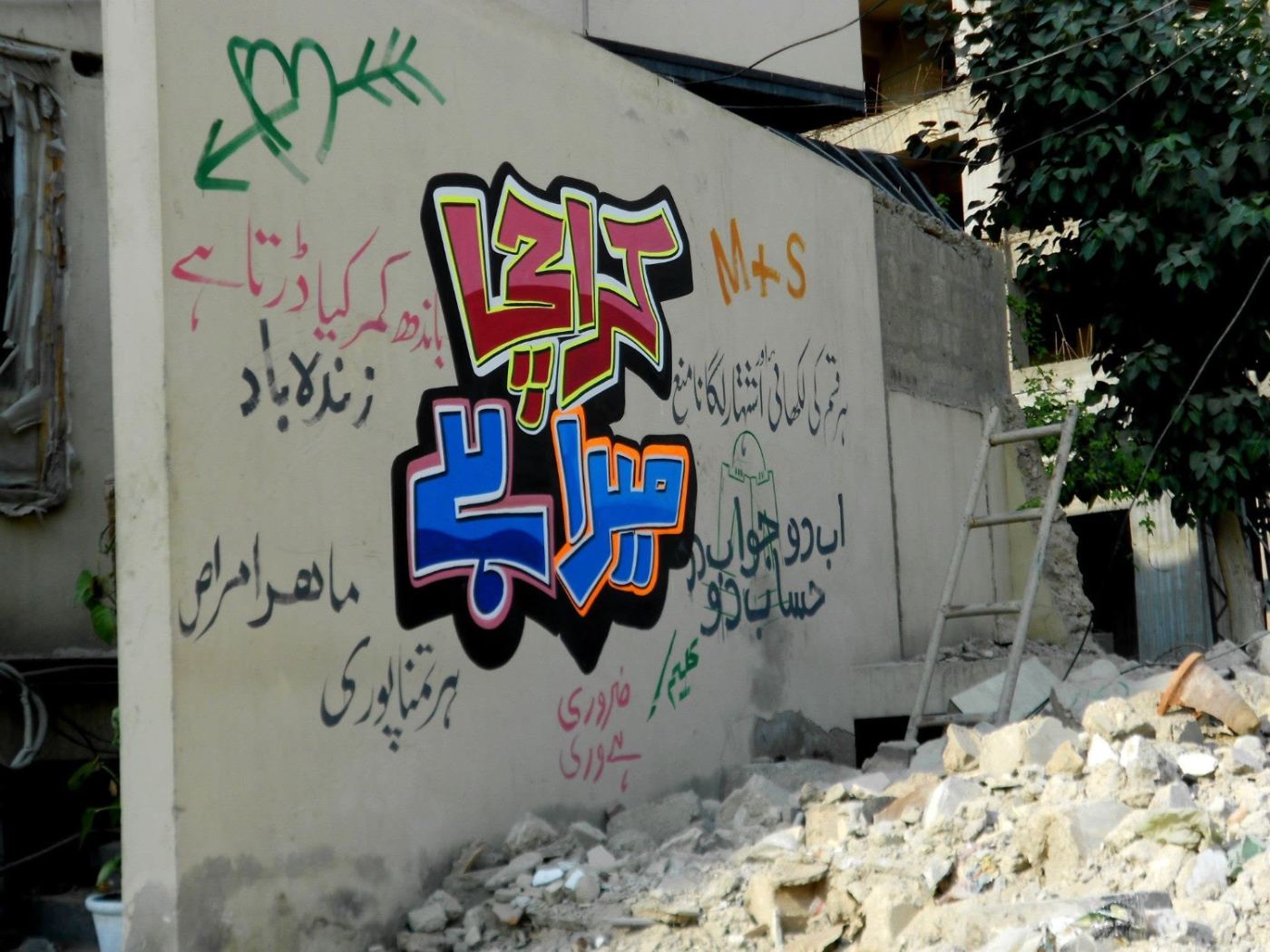
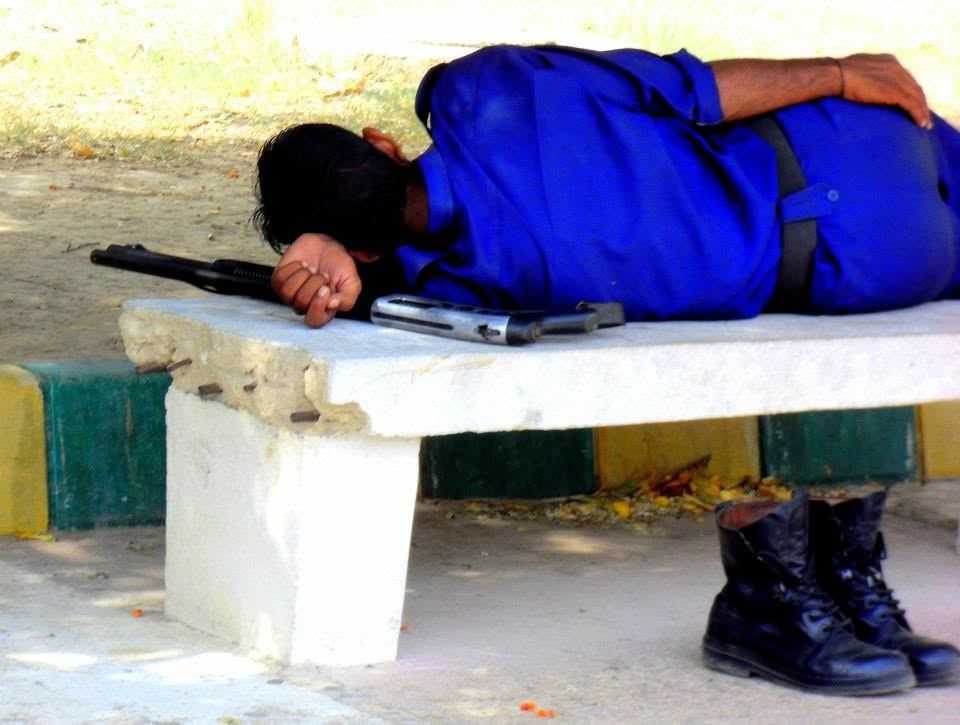
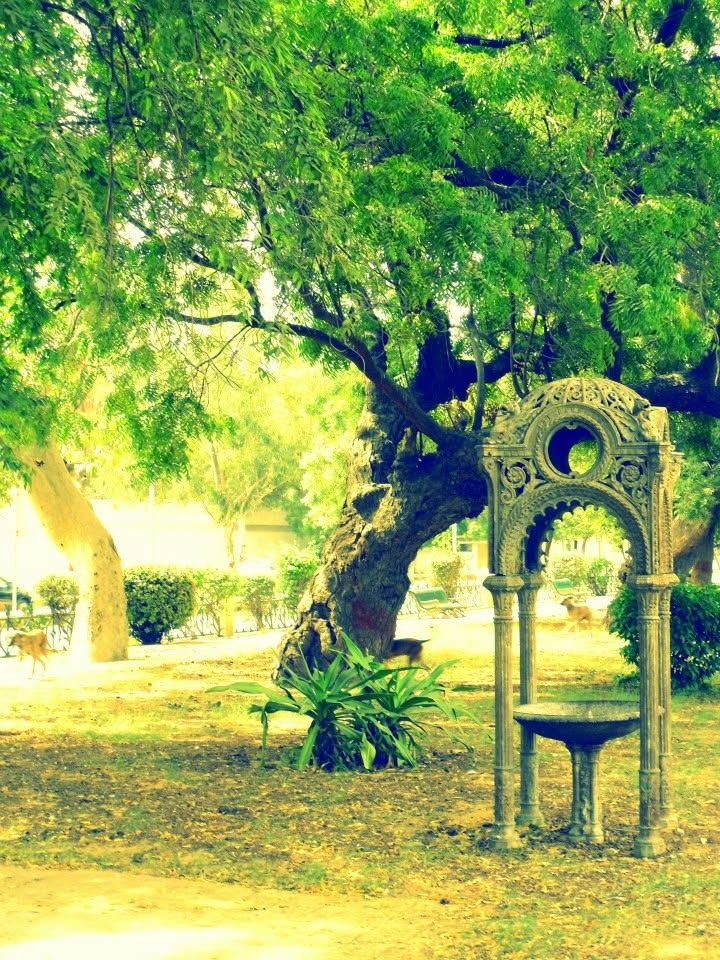
Everything In Between
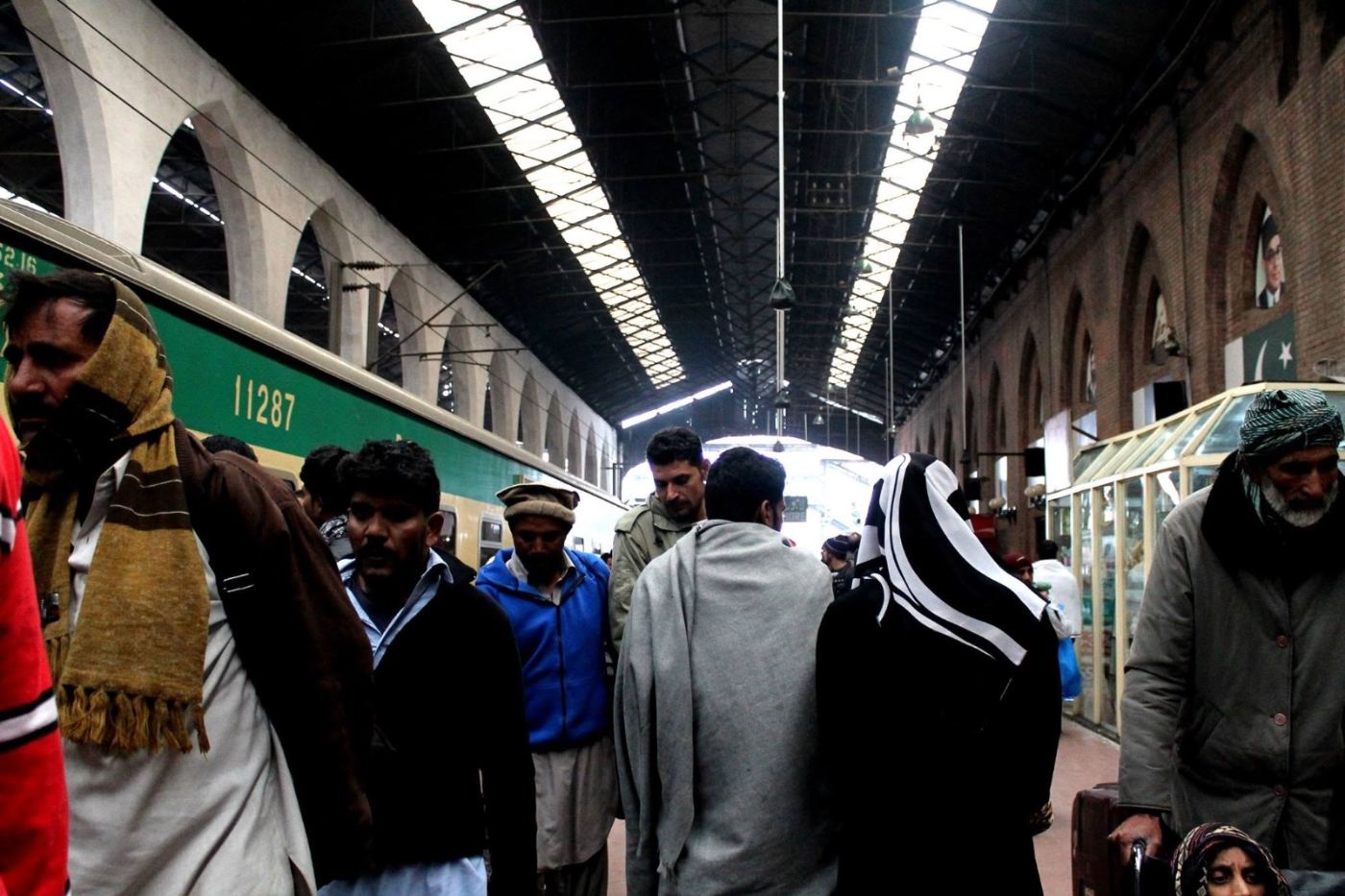
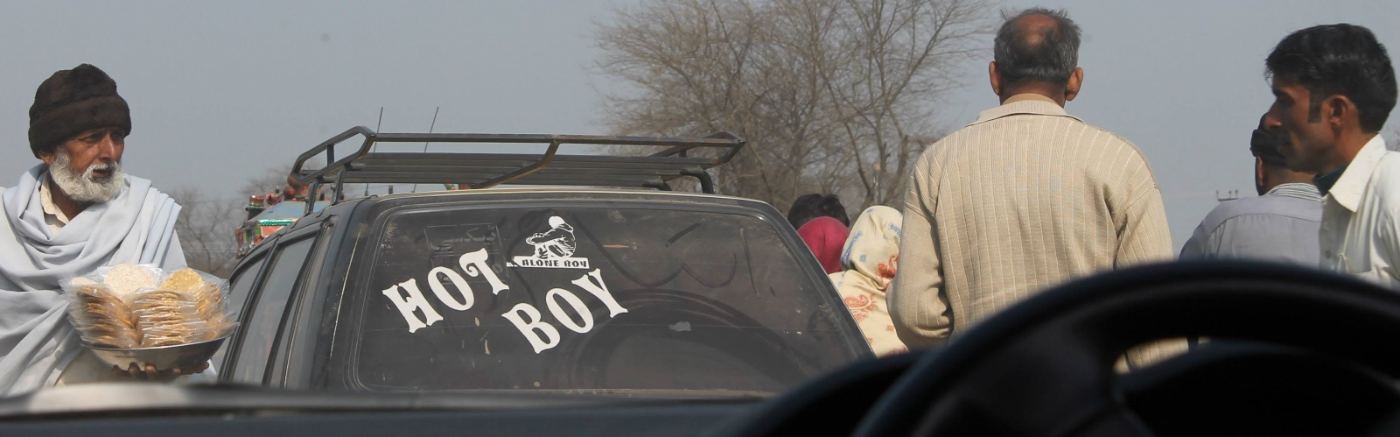
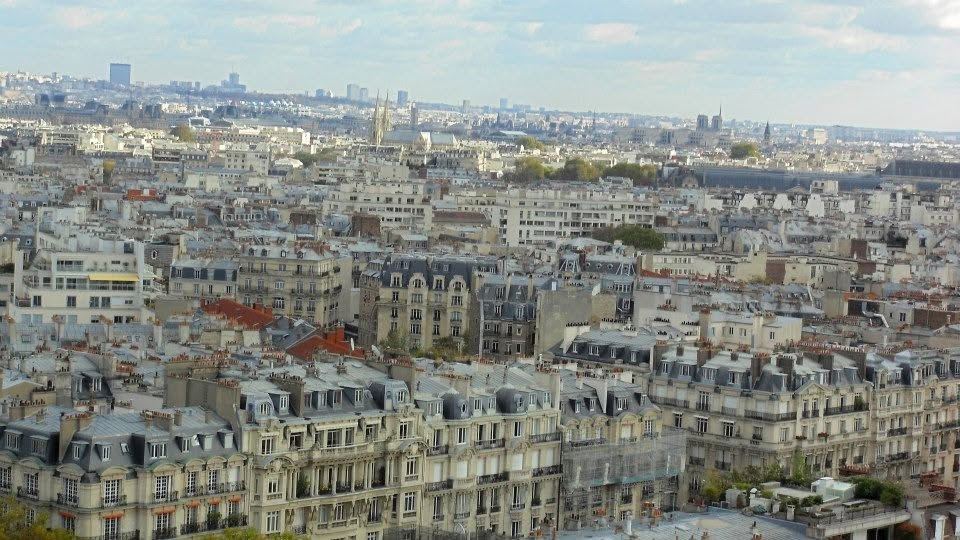
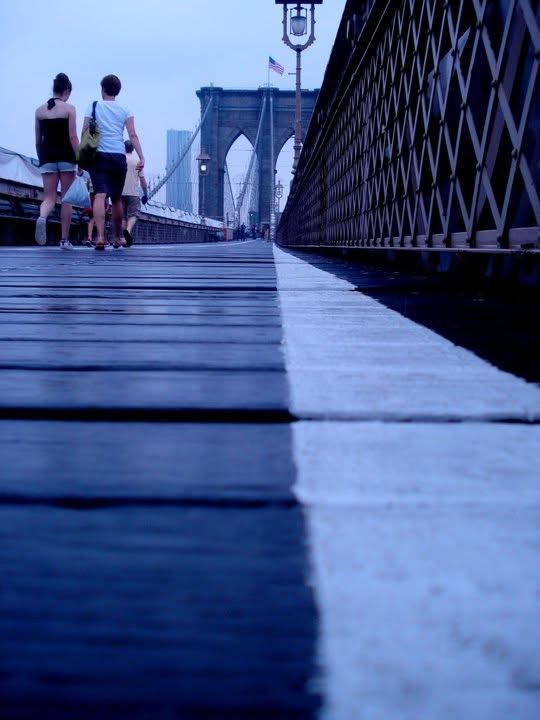
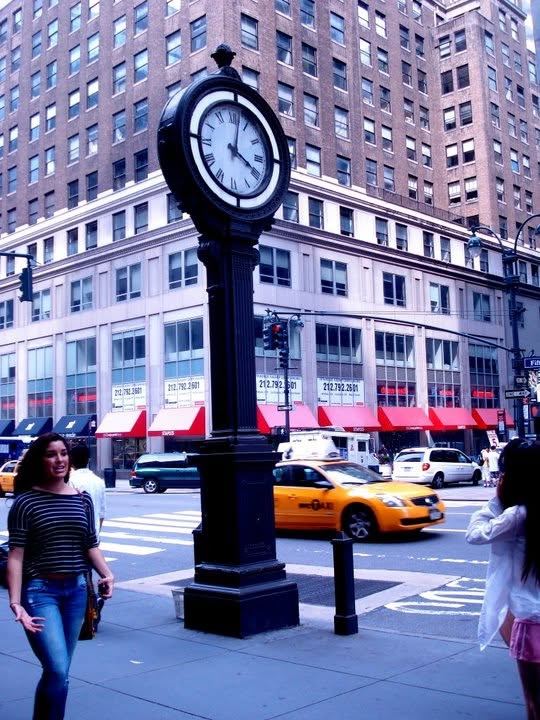
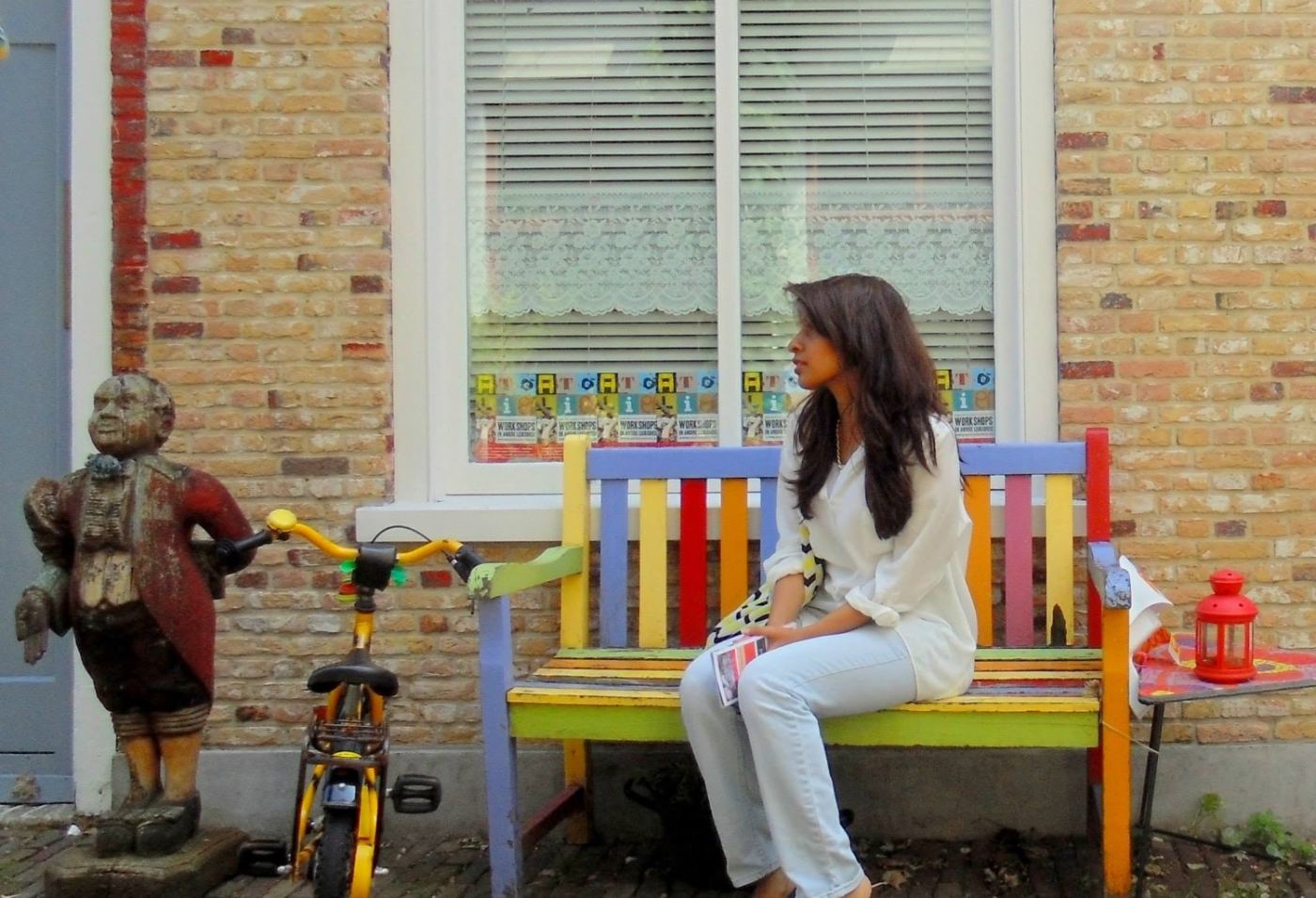
the cities i passed through with a camera and no plan.
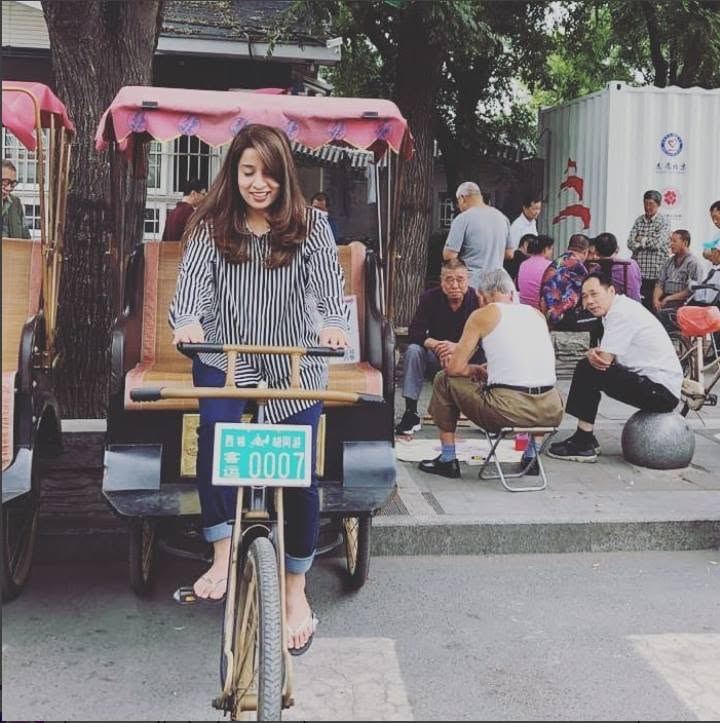
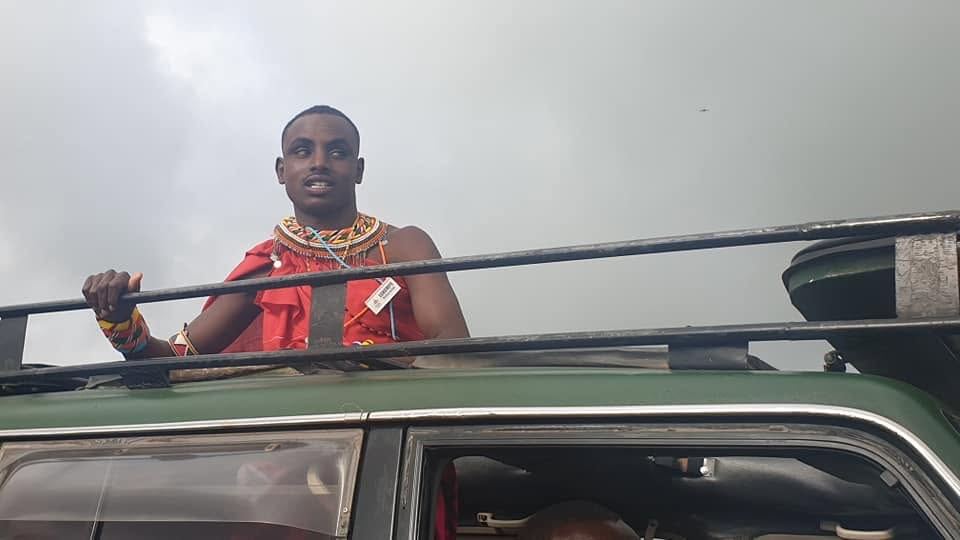
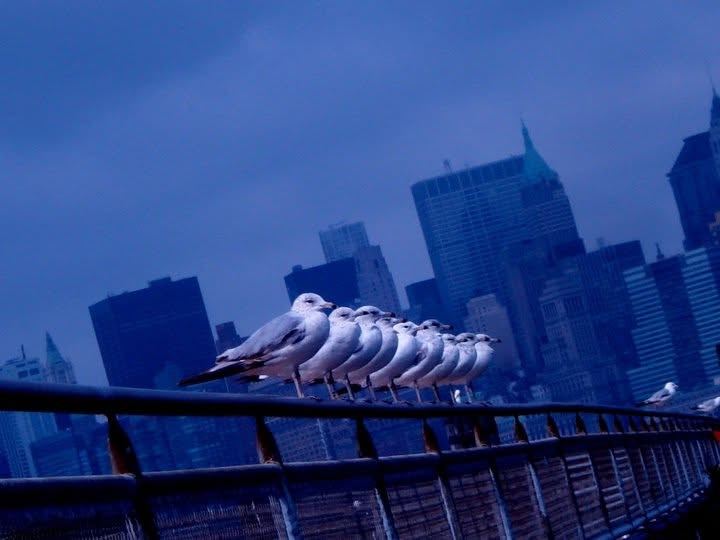
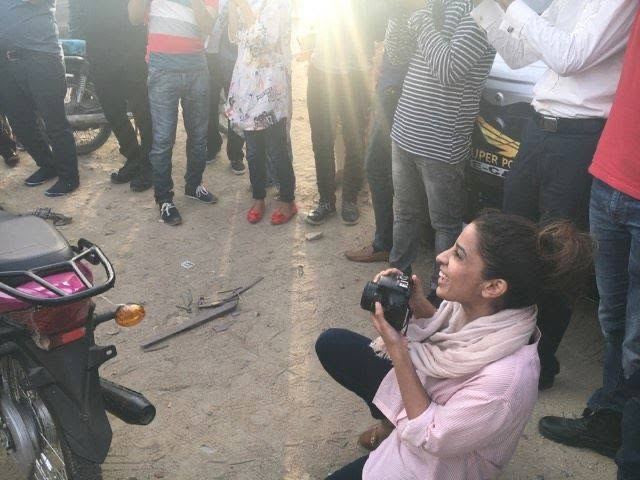
prints, licensing, or a shoot — ask me.
The Ones Who Attend
Their Own Funeral.
Shivaratri, 2017. The Dutch documentary crew was turned away at the gate of the fifth-century temple; my brown skin walked me straight in. My guide, Ganesh, narrated the morning like a wikipedia entry written by a drunk frat boy — corpse-brides, miracle oils, a marriage I had allegedly entered by accepting a blessing. So this piece is the opposite of Ganesh: every caption below survived a fact-check.
On the Bagmati ghats, four pyres burned in a row. Three hours to burn a body. No wailing, no black — mourning wears white here, and the river carries the ash toward the Ganga. What stayed with me wasn’t the burning. It was learning who doesn’t burn.
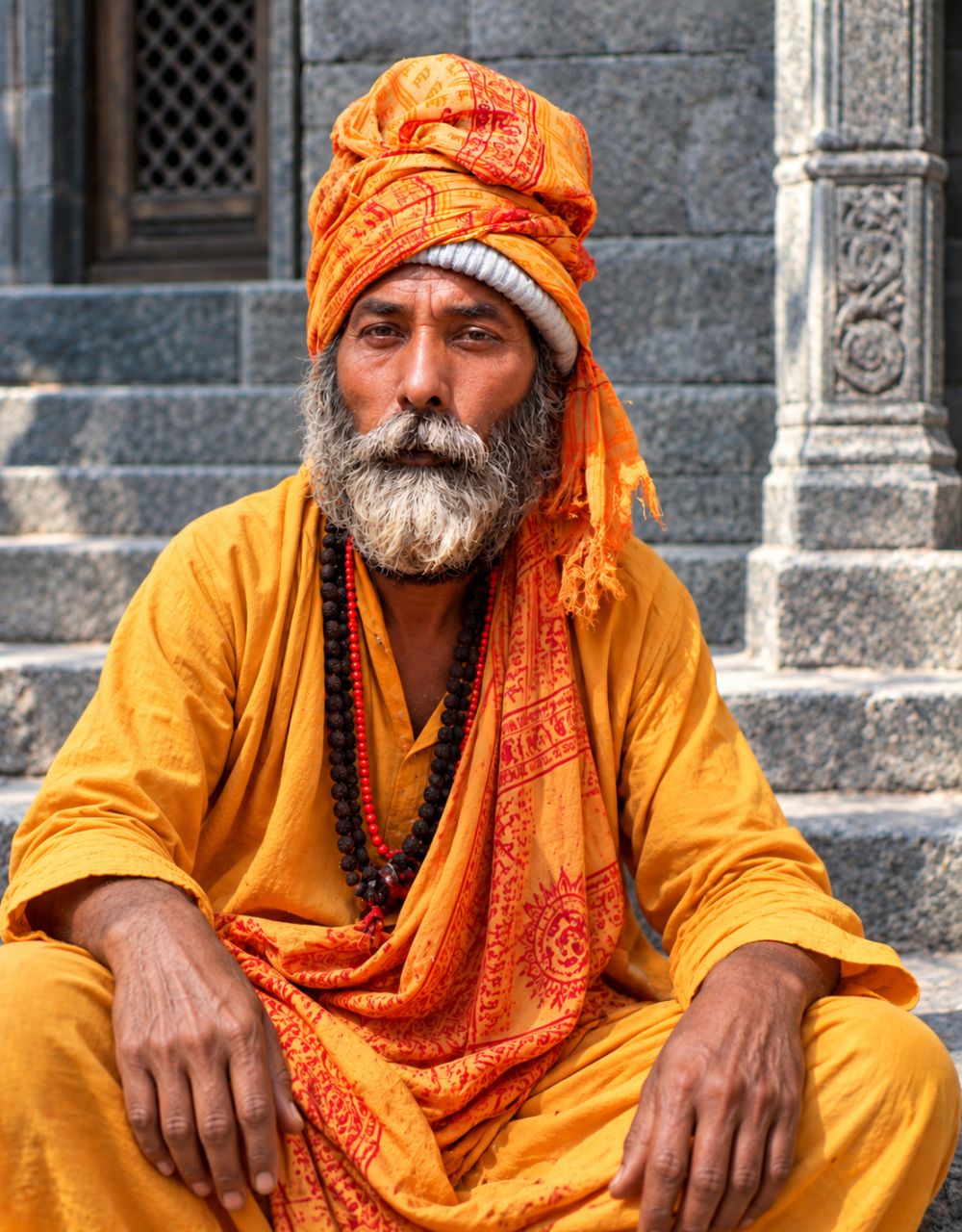
saffron is fire, worn as clothing. a sadhu takes it after performing his own funeral rites at initiation — he attends his own shraddha, gives up his name, and the man who walks away is already cremated. everything after is afterlife.
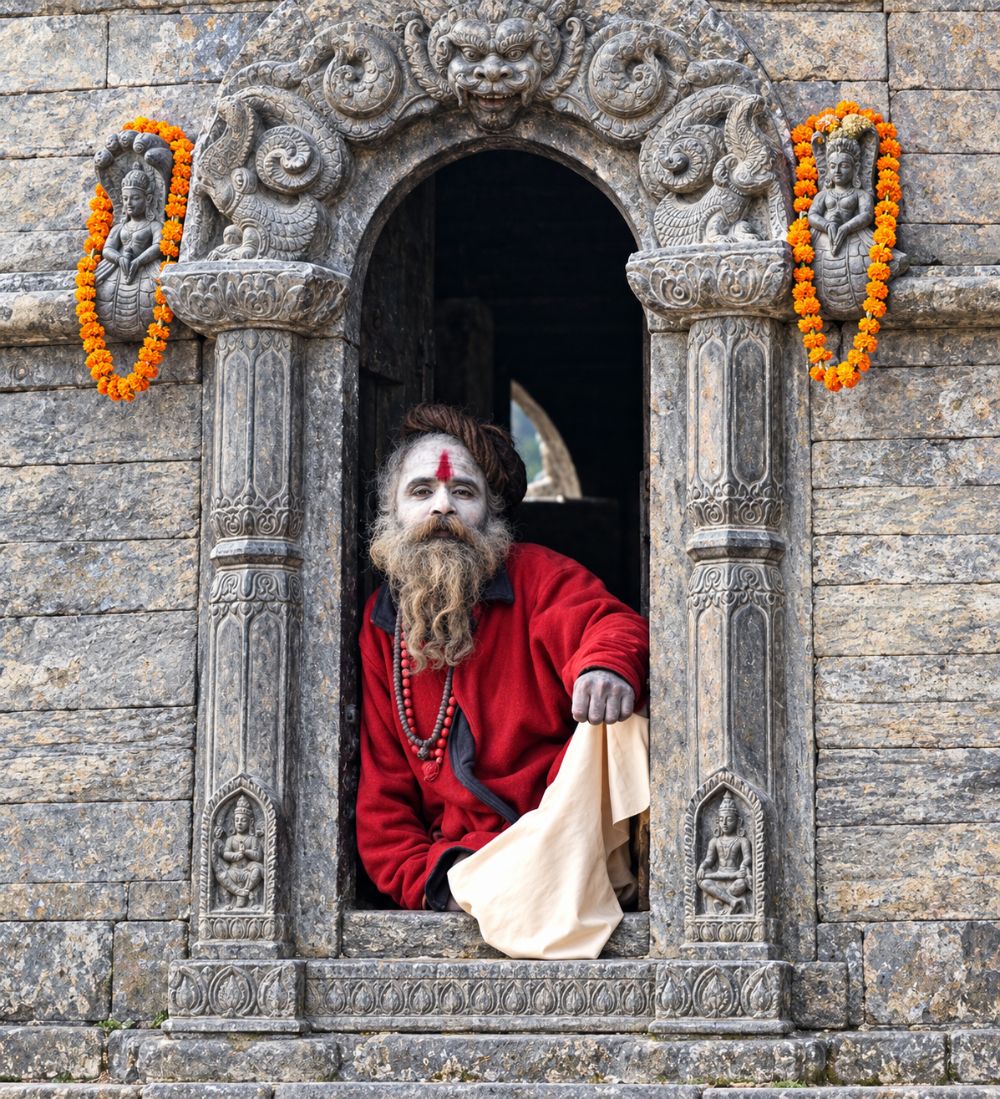
vibhuti — ash, often from the cremation ghats — worn face to body. ash is the one substance fire cannot take twice; wearing it is wearing the ending in advance. he keeps a votive shrine built for the dead. the marigolds are for the gods.
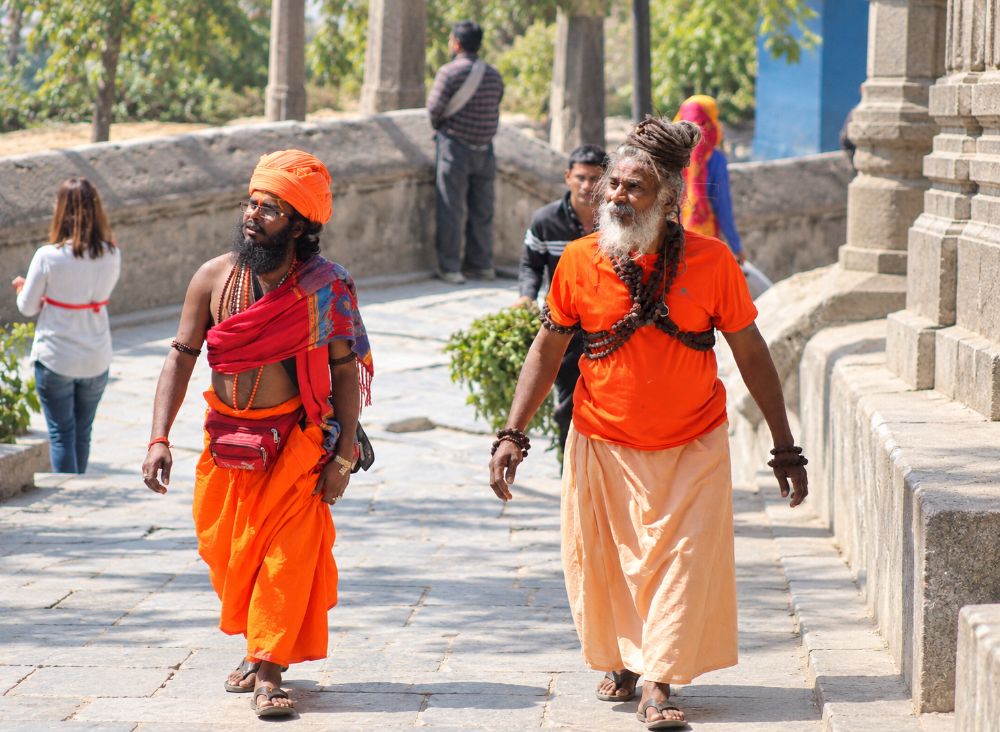
sadhus belong to akharas — monastic orders, some a thousand years old, organised like regiments. the forehead mark is the uniform: horizontal lines for shiva’s men, a vertical flame for vishnu’s. you can read a stranger’s whole theology from ten feet.
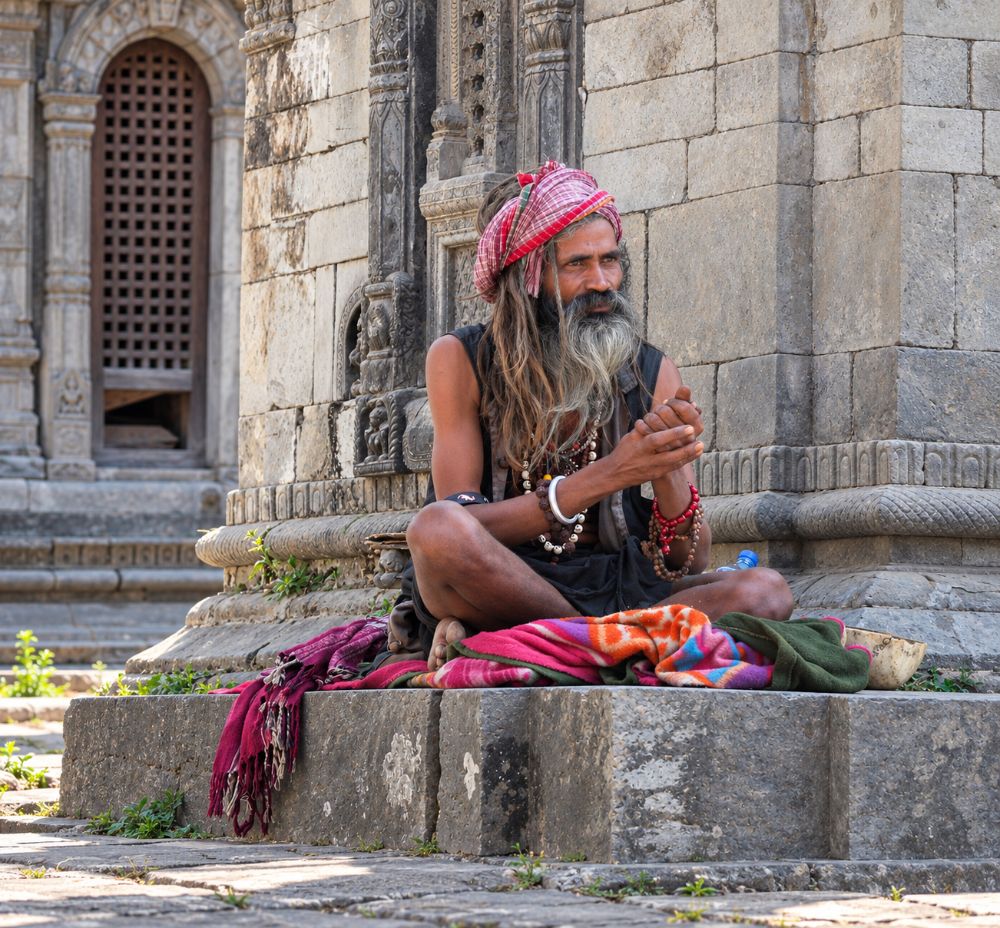
rudraksha — “rudra’s tears,” seeds of a blue-fruited himalayan tree — strung in one hundred and eight. the mantra is counted with the thumb across the segments, never the index finger. the index is the ego. it doesn’t get to keep score.
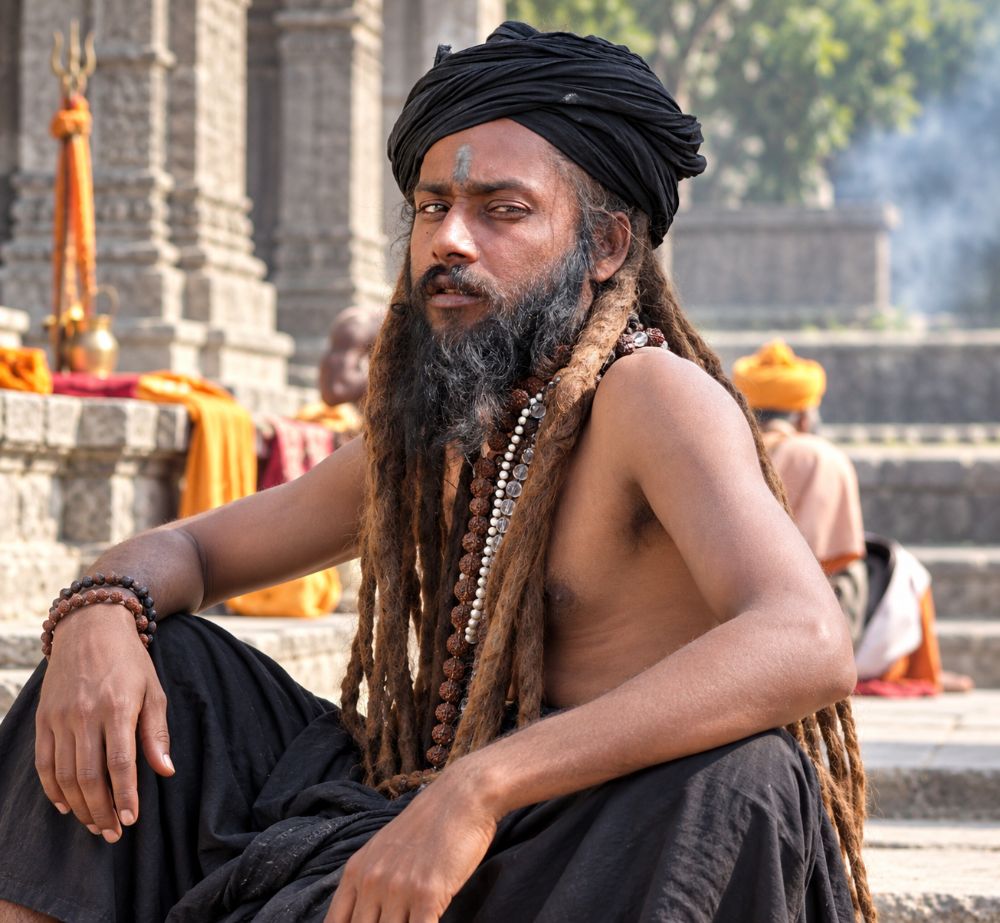
the black-clad orders practise where everyone else refuses to: the cremation ground. the rumours about them — corpses, cannibalism — travel further than the documented practice, which is harder to sensationalise: sitting all night beside the burning dead until fear runs out of things to say.
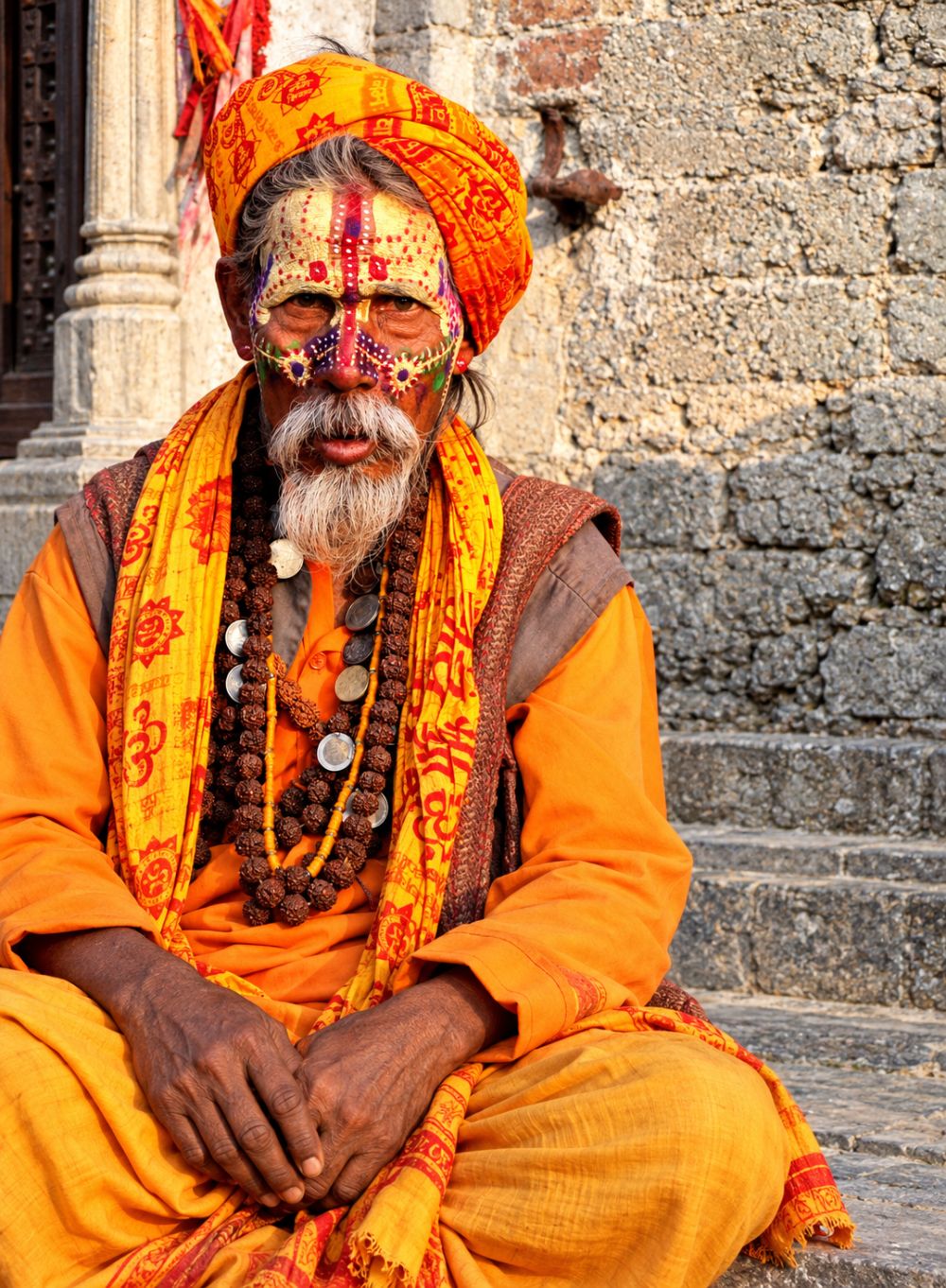
he owns nothing, and wears a ledger: coins threaded through the rudraksha, each one somebody’s offering. pilgrims give to be blessed, tourists give to photograph, and the line between the two is thinner than either side admits.
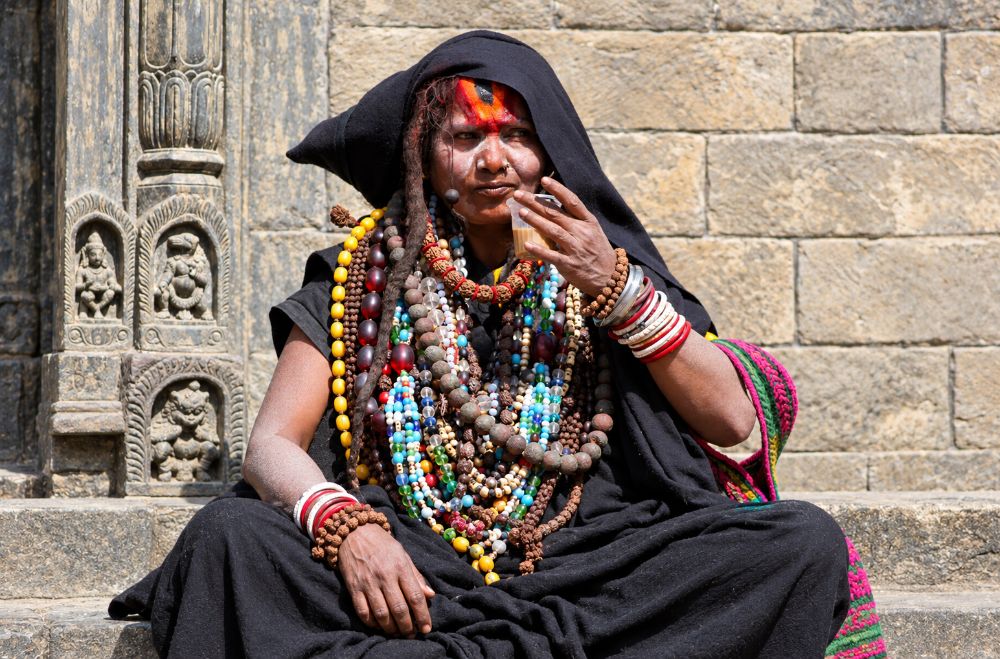
yes — there are holy women. sadhvis, perhaps one in ten. many take renunciation after widowhood, or after a marriage they walked out of: the one respectable exit from a life somebody else wrote. she drank her chai like a verdict.
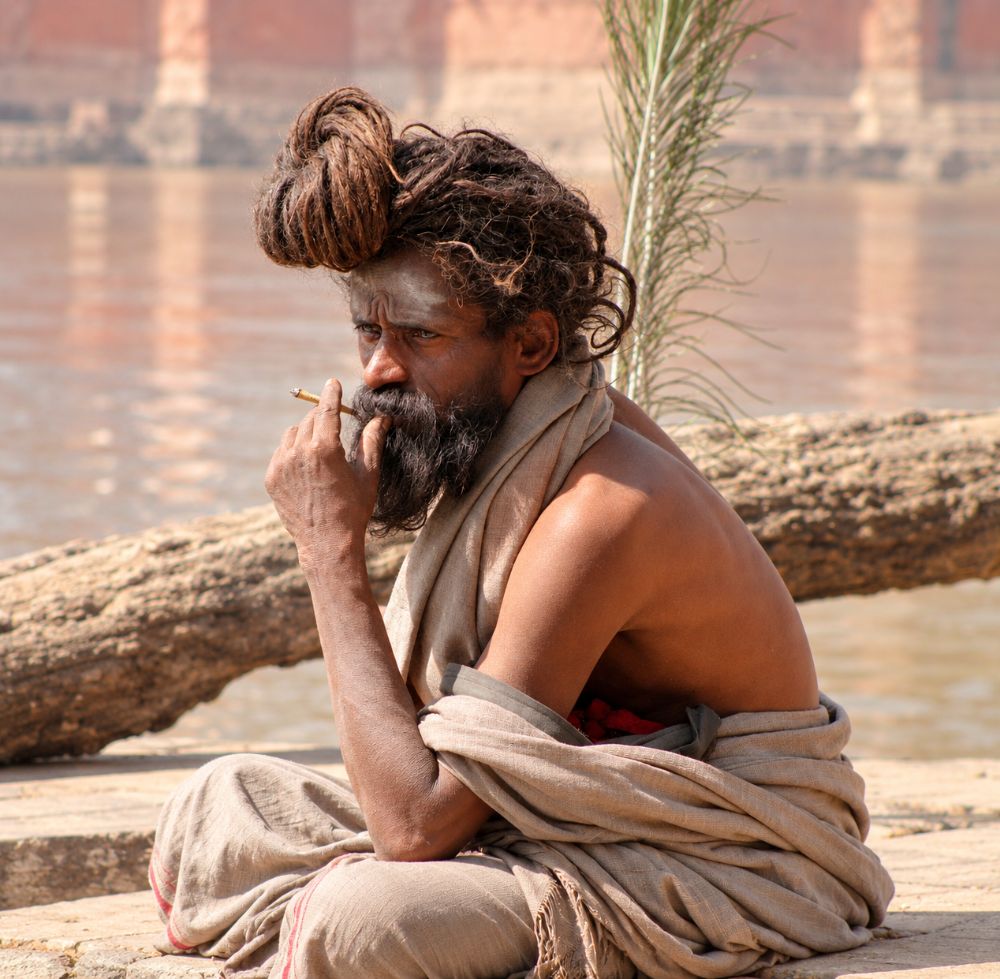
charas — shiva’s herb, technically illegal, ritually tolerated, fully sanctioned one night a year at shivaratri. the chillum circles the way the stories do. below him, the river carries the morning’s ashes toward the ganga.
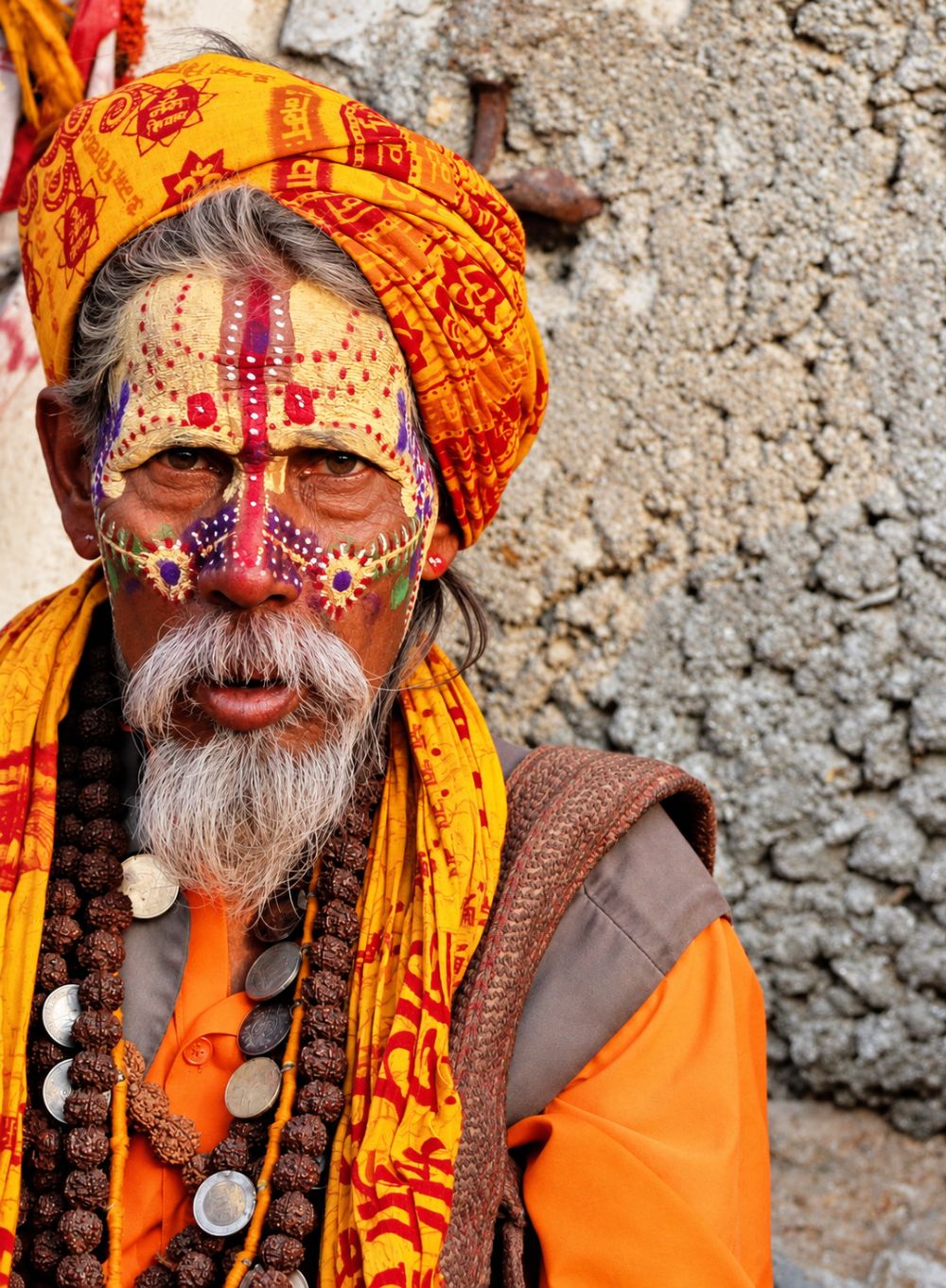
painted fresh every morning; washed off every night. the discipline is not the pattern, it is the repetition — impermanence, rehearsed daily on one’s own face until the face stops being yours.
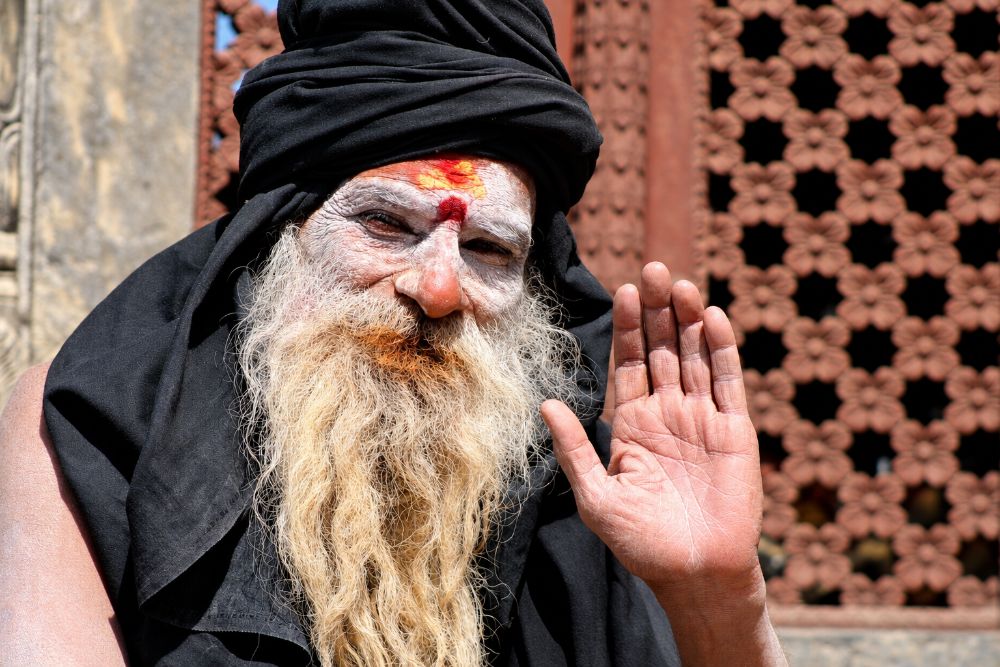
the raised palm is abhaya mudra: fear not. at the gate, a sadhu pressed a blessing onto my muslim forehead without one question about my god. the dutch film crew was still outside, arguing with security.
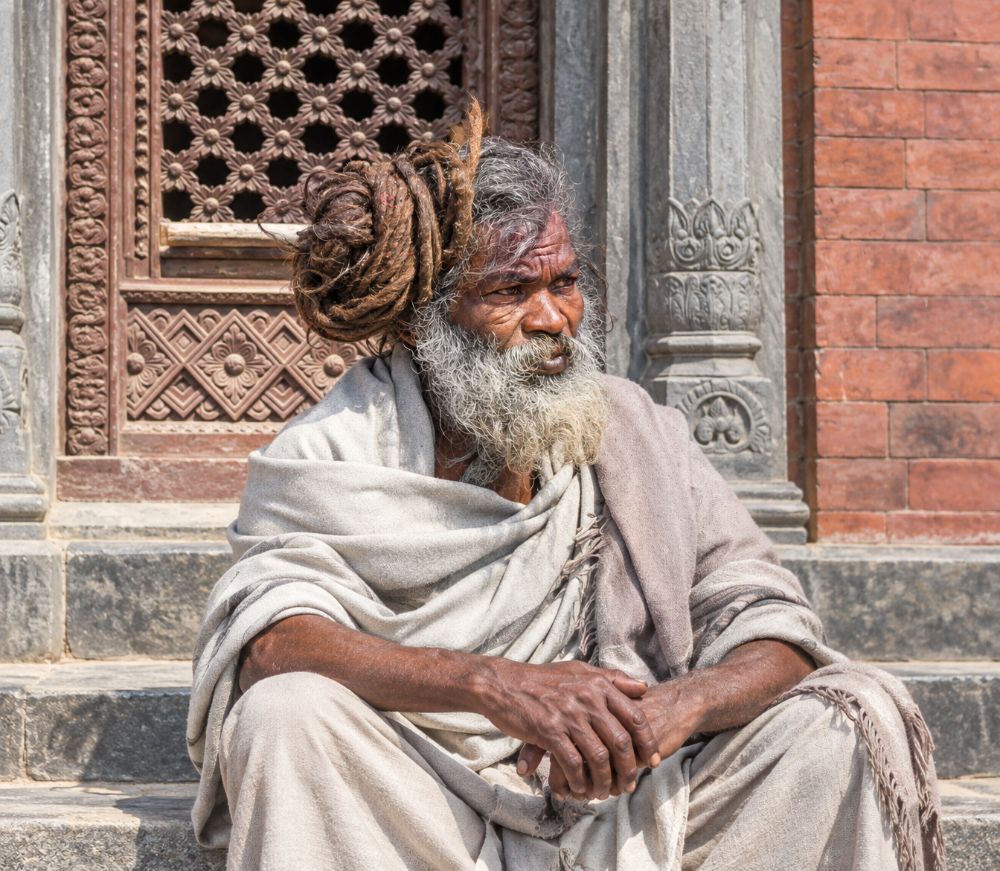
the fact that reorganised my whole morning: sadhus are not cremated. cremation is for householders — the fire takes what they could not let go of. a sadhu let go at initiation, so there is nothing left to burn. he is buried seated, in meditation, facing north. the fire is dismissed.
She Wears The
Whole Archive.
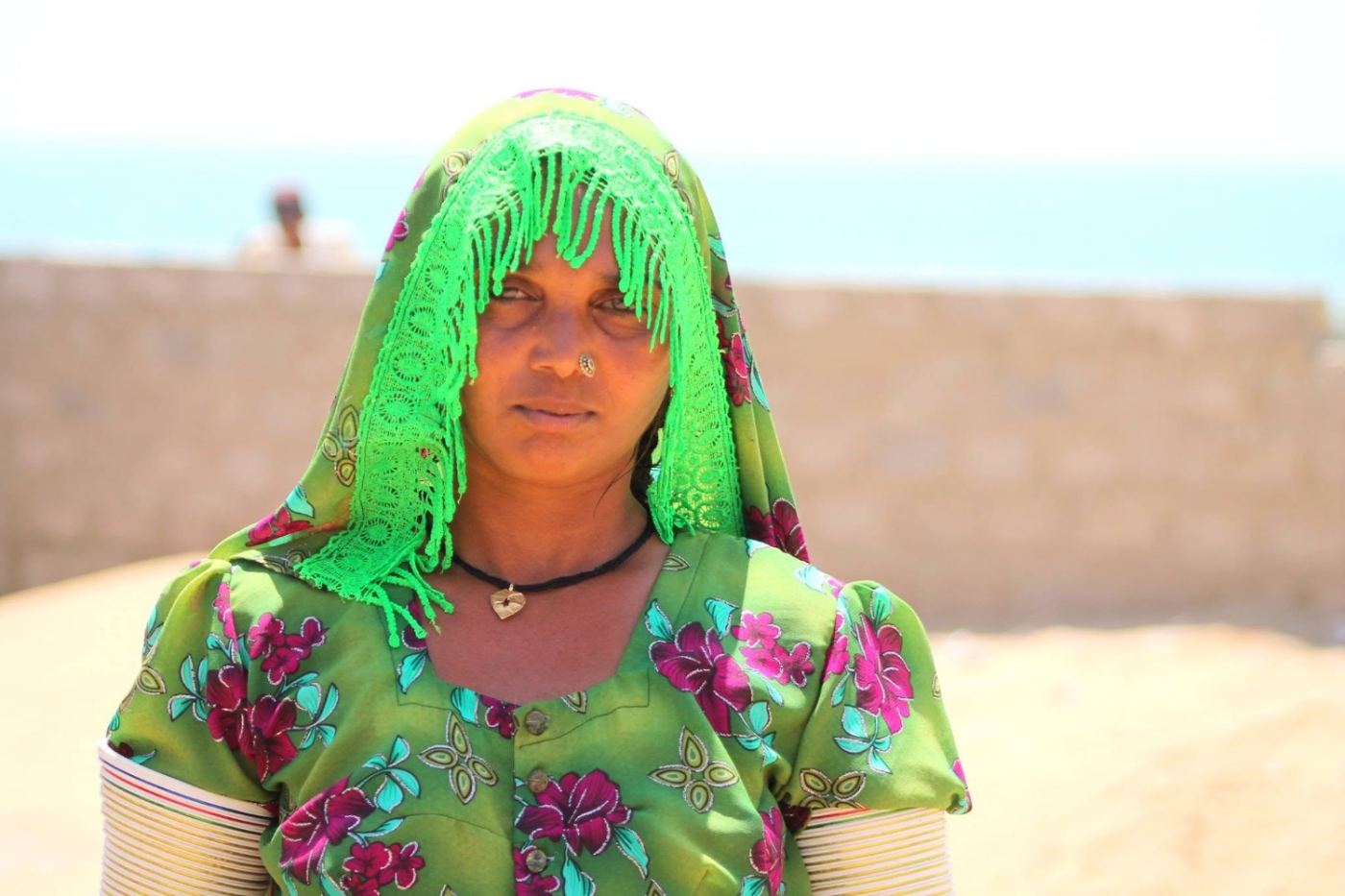
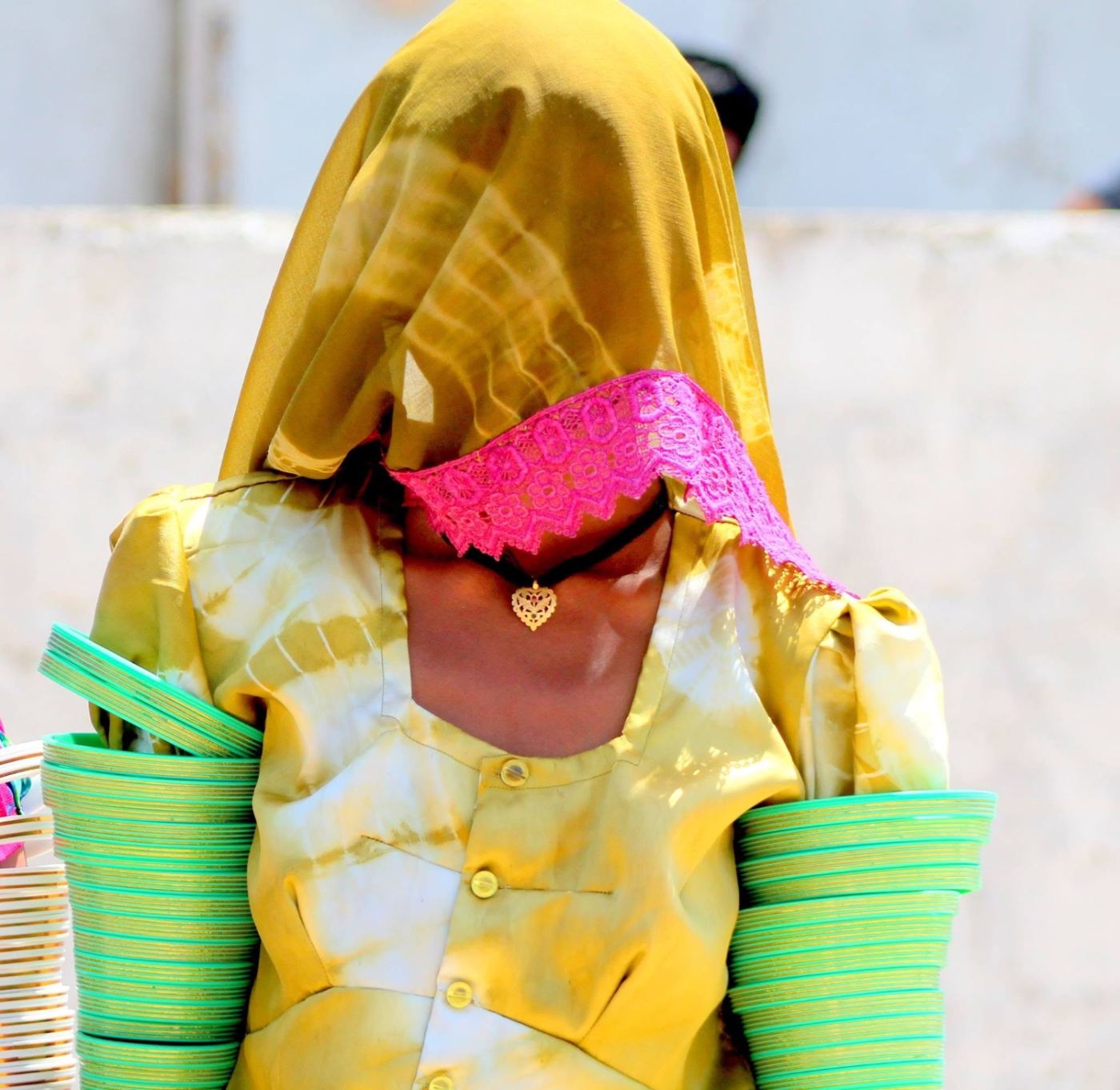
Rural Sindh, on the edge of the Thar — whitewashed walls, noon light, the desert that holds most of Pakistan’s Hindu population. Nothing these women wear is decoration. Every item is a document: the bangles publish her marital status, the embroidery names her community, the veil answers to whoever happens to be standing nearby.
I photographed what they chose to show me. In two of these frames, that does not include a face — and the portrait works anyway, because the clothing was always doing the talking.
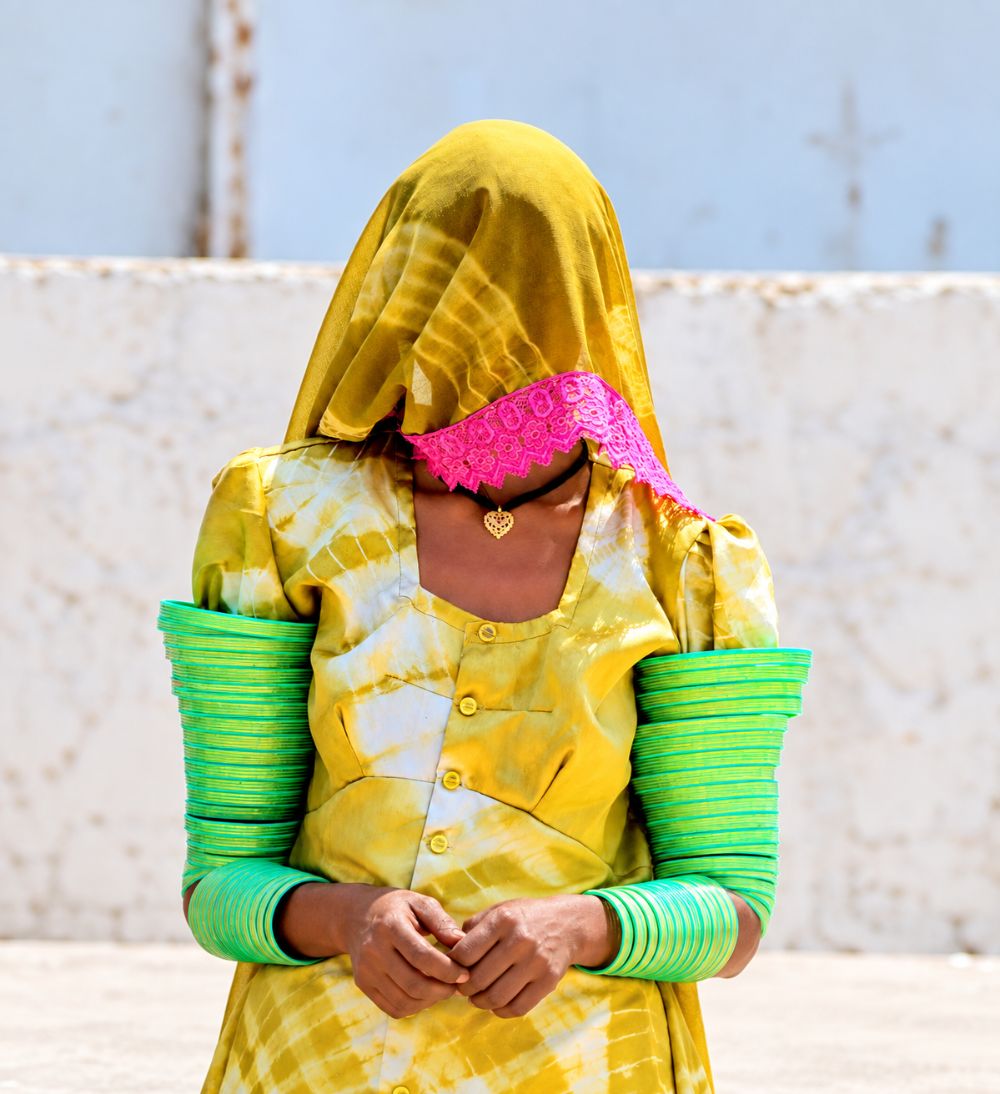
a bride’s arms, published. after marriage a thari woman stacks bangles from wrist to shoulder — once ivory, now acrylic — and wears them for years. the stack is a legal document you can read from across a field: married, and recently. she pulled the ghoonghat down over her face; the bangles kept announcing her anyway.
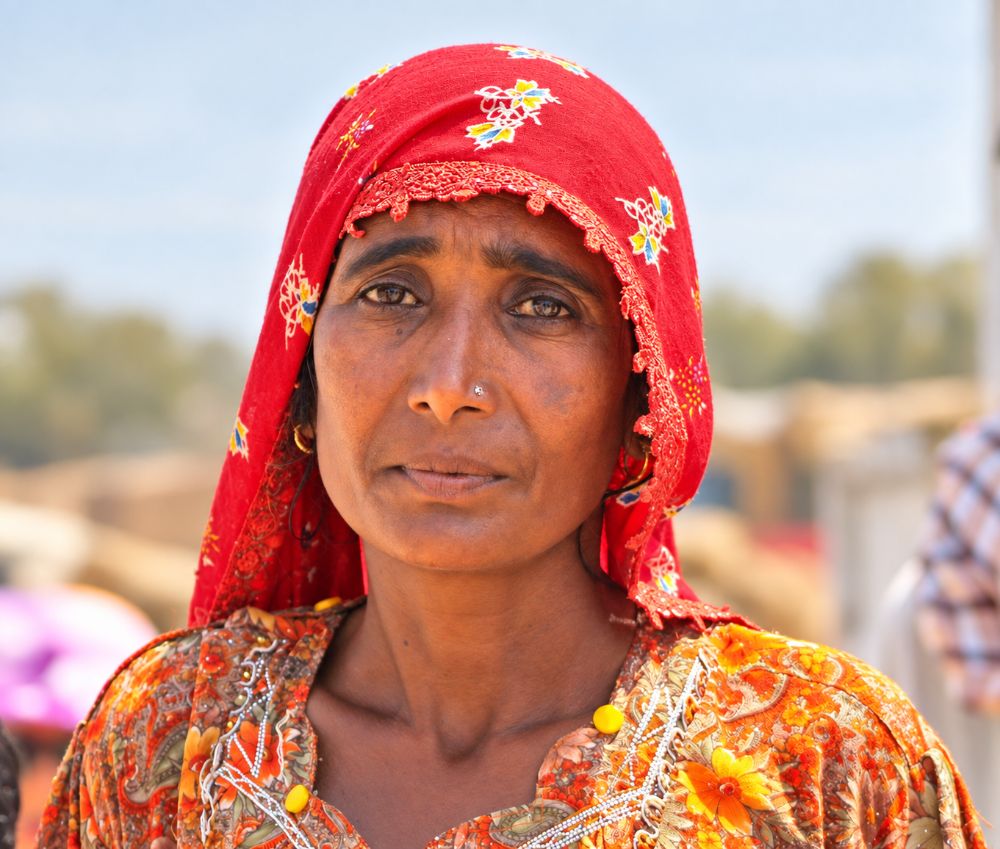
knot-dyed in the bandhani tradition sindh shares with rajasthan — every white fleck is a thread tied by hand before the cloth met the dye. the crochet edge is hers, added at home. gold in the ears, a phul on the nose: the savings account of a woman the banks were never built for.
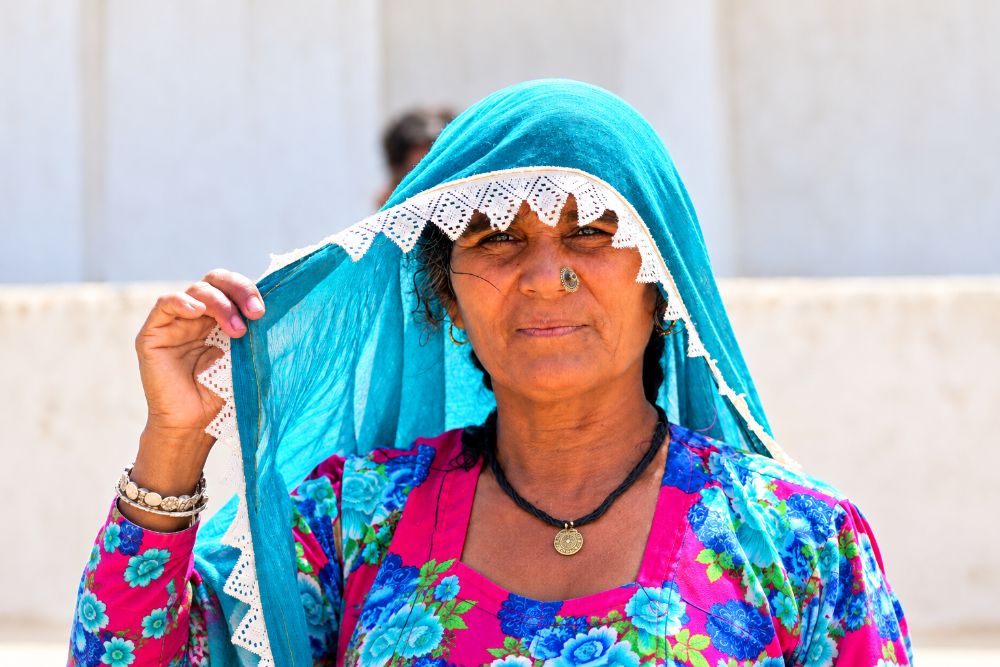
the dupatta is architecture. pulled forward at noon it is a roof; dropped to the shoulders at home it is a shawl; held out like this it is a doorway she decides how far to open. on the black cord, a taweez — protection written on paper, folded into brass, worn against the chest.
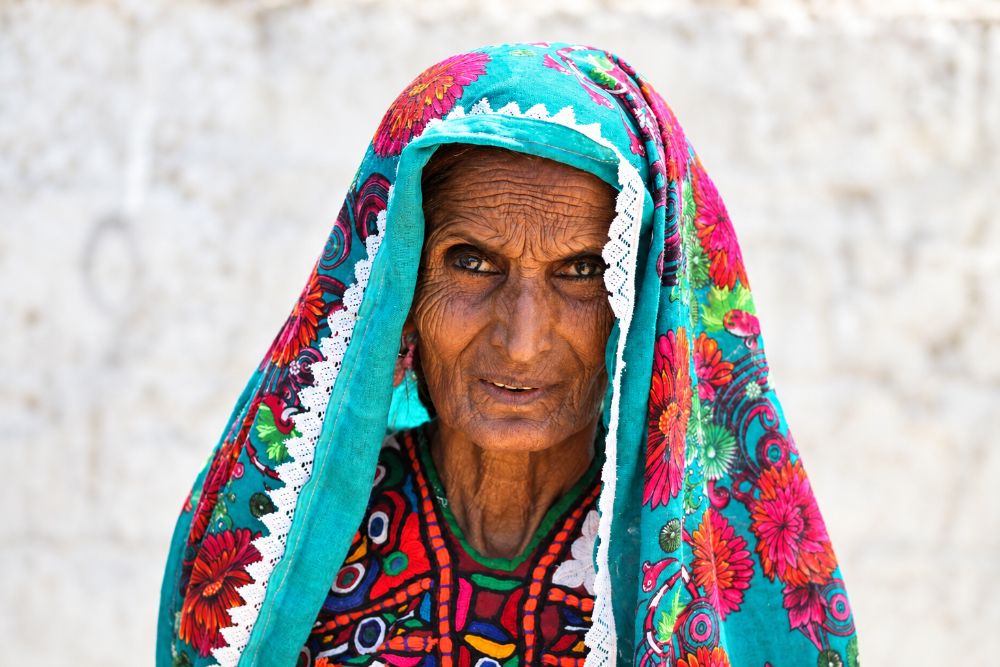
under the veil, the gaj — the embroidered, mirror-worked bodice of the thar. a woman stitches her own before her wedding, mirror by mirror; the pattern names her community the way a flag names a country. the mirrors are for the desert: they throw the evil eye back where it came from.
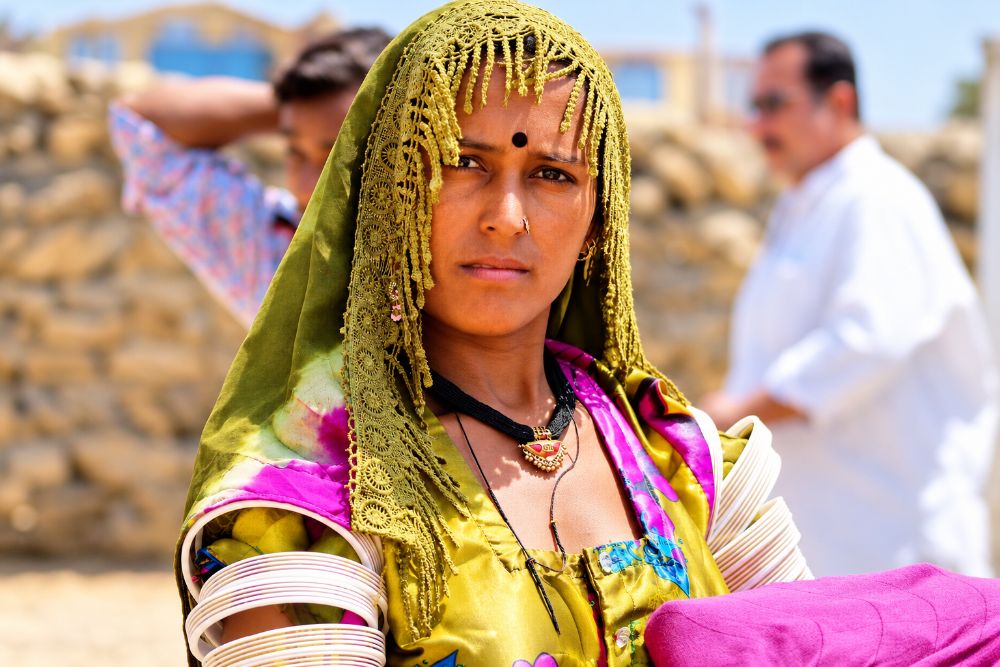
bindi, nose ring, the ivory-white churo up the arm: she carries what the map calls india on her body and has never crossed a border. the desert never partitioned itself. she is standing in her own country, wearing five thousand years of it.