Ease Is Not Confidence. It’s Inheritance.
in who leans back instead of forward. in who lets silence stretch without filling it. institutions mistake the first for leadership.
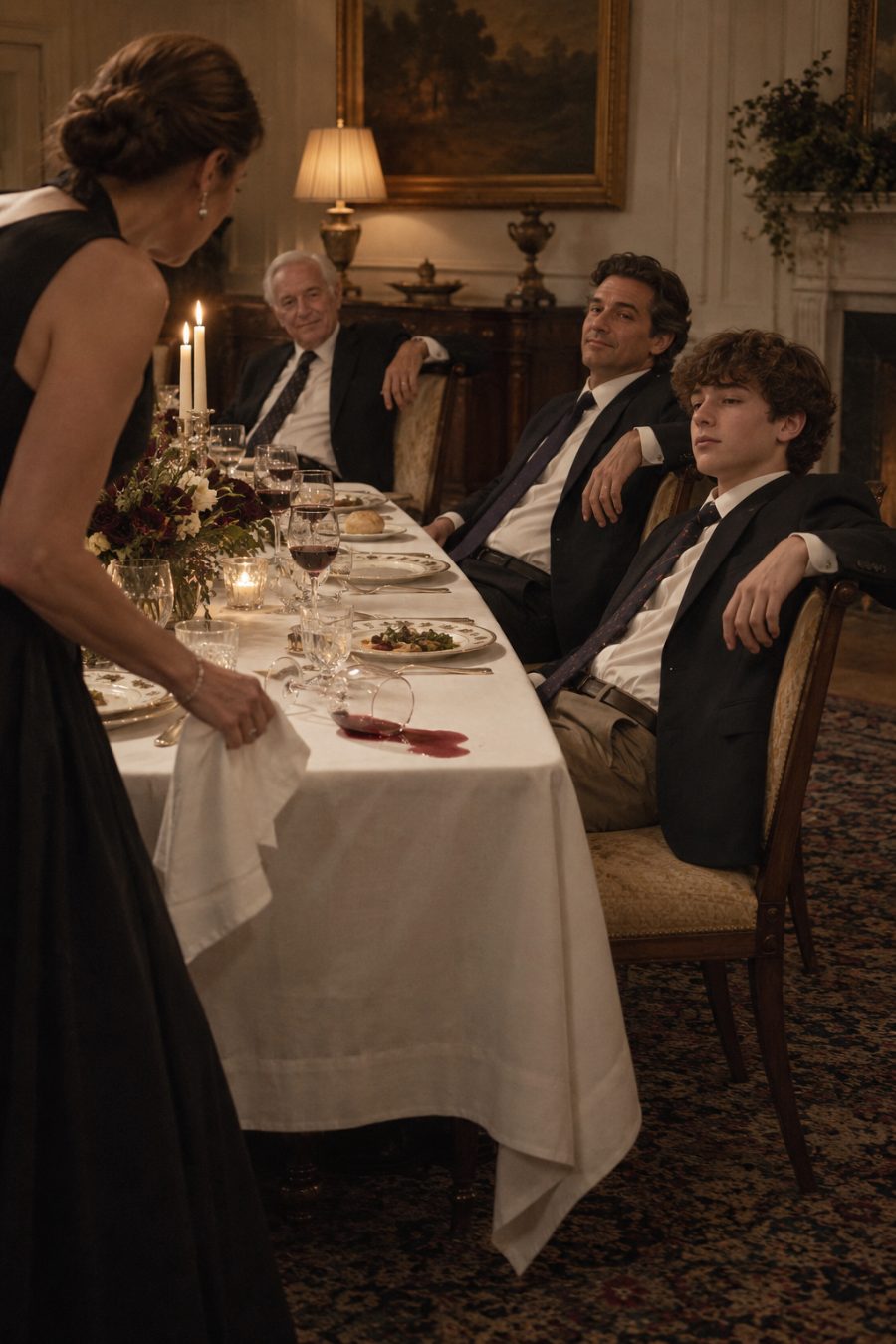
I’ve been thinking about ease lately — not money, not titles, not resumes — but the kind that lives in the body.
Ease is not confidence. It’s inheritance.
Ease shows up in how space is occupied. In who leans back instead of forward. In who lets silence stretch without filling it.
Ease isn’t taught first through language. It’s taught through uninterrupted safety.
Some bodies learned early that they could climb, fall, run, recover. That mistakes wouldn’t cost everything. That the world would hold.
Other bodies learned to scan rooms. To anticipate consequence. To stay alert, polite, contained.
Institutions often mistake the first for leadership.
Ease becomes power when it’s never been tested by struggle. Not because it’s malicious — but because it’s never had to understand fragility.
I see this most clearly at events.
In who spells cabernet sauvignon without pausing. And who spills water and apologizes too much.
In who maintains soft eye contact. And who looks away — not from disinterest, but from years of being watched, corrected, assessed.
In who moves as if the room will accommodate them. And who moves as if they might need to justify being there.
Ease can be performed. Many people learn to fake it well.
But performed ease costs energy. Inherited ease returns it.
One survives mistakes. The other is punished for them.
We like to believe authority comes from talent or merit. But often, it comes from bodies that were never interrupted — and systems that mistook ease for competence.
Until safety is shared, ease will remain inherited — not earned.