Carbon Theater
we planted trees, but nobody asked why they were removed. adaptation without justice is planned exposure.
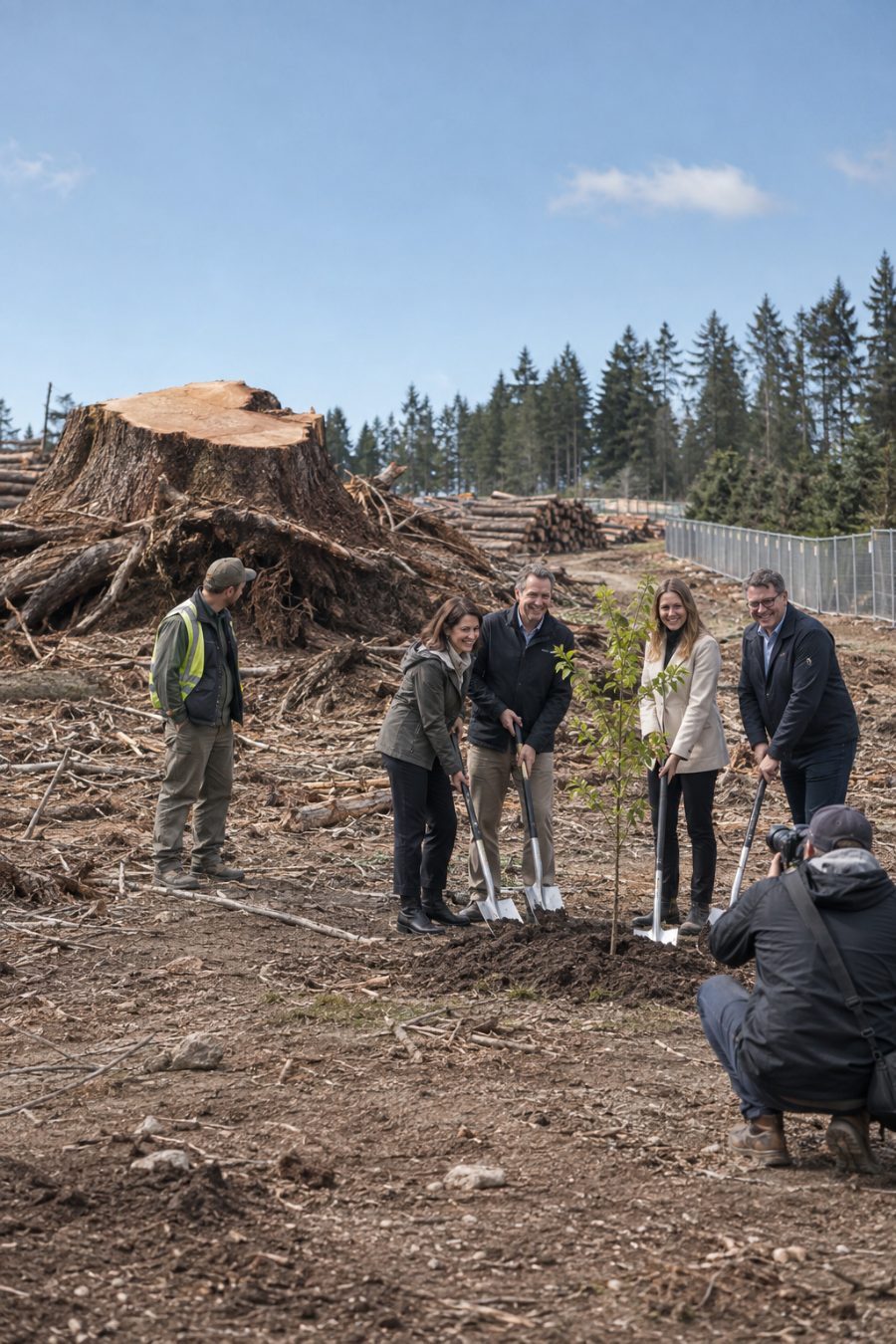
I once attended a fellowship. On paper, we were there to repair: plant trees, recover fruit, clear brush, restore habitat.
It felt responsible. It photographed well. It fit neatly into grant cycles.
But there were two kinds of climate action fellows.
One group arrived protected by families, generational wealth, safety nets. They had green thumbs, green lawns, and stories of childhood gardens. Planting trees felt natural to them; trees had never been taken from their lives.
The other group arrived already shaped by climate disasters, displacement, affordable housing, and survival. They didn’t talk much about “restoration.” They had already lived loss.
You could see the difference at a retreat in San Bernardino. Who had snowshoes and functional designer winter gear. And who layered hoodies and hoped for warmth.
No one named it, but it was clear: resilience is easier when you can afford it.
We planted trees. But no one asked why they were removed. We recovered food. But no one asked why excess and hunger coexist. We talked about fire resilience. But not about who benefits from displacement, who rebuilds, who is priced out.
Afforestation without land-use accountability is carbon theater. Food recovery without political economy is hunger management. Adaptation without justice is planned exposure.
The fellowship taught participation, not interrogation. Good hands. Quiet questions.
But conservation without asking about extraction — about zoning, capital flows, labor, and power — doesn’t change systems. It stabilizes them.
Real climate work isn’t just about restoring what’s left. It’s about asking why it was taken — and who was protected from the consequences.
Planting is not the end of the work. It’s where the harder questions should begin.
How do we design climate programs that teach questioning, not just participation?