I spent three days with Shahla Mahmood on a media trip to Gwadar organised by the Karachi Union of Journalists. Equipped with one cameraman, she shot multiple story packages before the rest of us had unpacked. She interviewed the port’s directors and decision-makers, jumped into a moving boat to film Gwadar Port from the water, and sat with the local fishermen for a story on what the port was doing to their livelihoods.
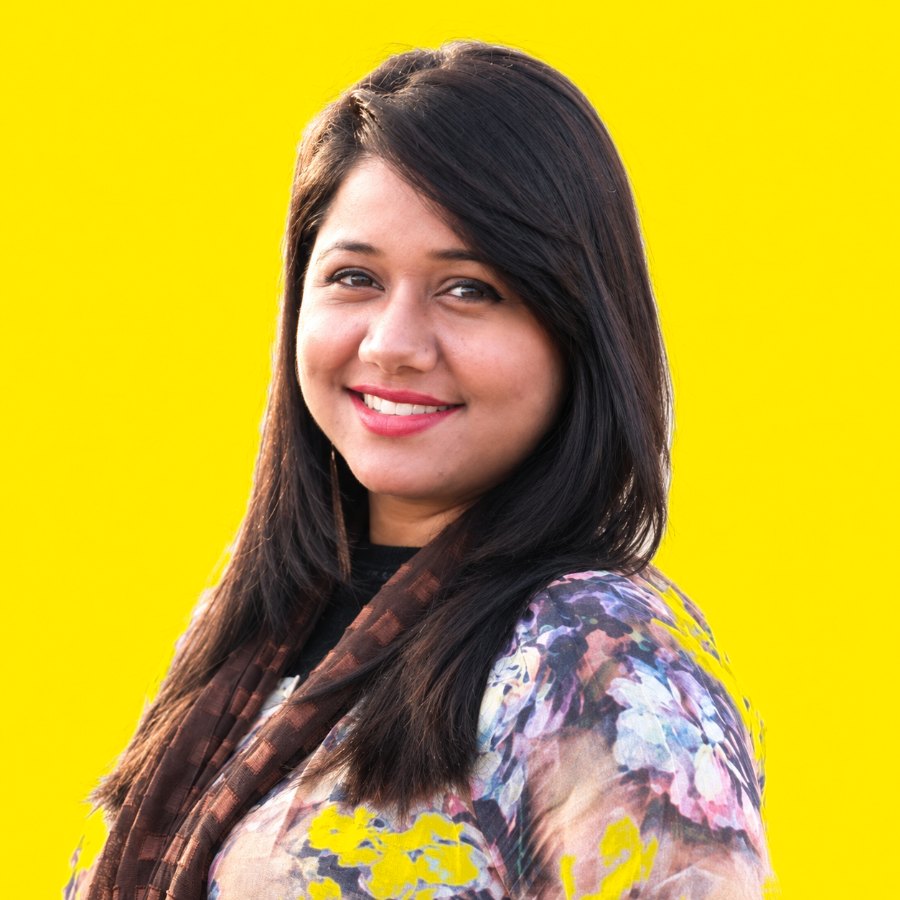
She is SAMAA TV’s reporting weapon, with seven years on the streets of Karachi for some of the biggest channels in Pakistan — Dunya, News One, CNBC — covering target killings and bomb blasts. She is the first journalist in her family. She sees herself as bureau chief of a major channel within five years.
“I knew I was in love with reporting when I could spend half my day studying mass communications and the other half interning at the Women Media Center with absolutely no stipend,” she says. “Nothing about the job dampened my spirits.”
Private channels were multiplying then. “The training I received at the Women Media Center landed me my first position at News One in 2009. There were hardly any female reporters at the time, and I pushed myself to cover human rights and women’s stories.”
At News One she found a mentor in the senior journalist Javed Chaudhry, and one story that changed everything. “I met the family of a one-year-old child living in deplorable conditions who had a hole in his heart. They needed to operate immediately and had no money. I remember hiding my tears while reporting that story.” Within two days of it airing, the family had raised enough to fly the child abroad for treatment. “I realised early on that I could use reporting to help people tell their stories, and that feeling was indescribable.”
Within a week, Dunya News offered her a job at triple the salary and double the benefits. There, too, there weren’t enough women on the field or in the newsroom; the ones who came in became anchors.
Then a late-night car accident kept her off work for a while.
Still recovering, she arrived at SAMAA for an interview and was hired on the spot. At SAMAA she found more women reporters, more women editors, and her first female mentor, Faryal Arif, now the channel’s first female bureau chief. “I mentor young girls in the field exactly the way Faryal supported me.”
A fellowship took her to Washington and Texas to train with American channels. “It was great learning in the US. But I realised Pakistani journalists are reporting much tougher stories.”
What she brings to those stories is the angle nobody else takes. “I remember covering the death of SSP Chaudhry Aslam, who died in a bomb explosion on the Lyari Expressway. While everyone was covering the high-profile death, I saw a slum nearby that had been hit by the shrapnel and the families were severely wounded. I ran in my heels towards them and brought their stories forward so they could get help too.”
She can’t imagine leaving reporting. “I want to take up a leadership role like bureau chief, but I like reporting too much to let it go. I don’t see myself reporting international stories, because I want to report what’s going on in Pakistan. Our stories are important. They need to be told, and I hope to be the one to always tell them.”