← POETICA.STUDIO ABOUTSERVICESWHO IT'S FOR
CHAPTER 04 · RAAJI PADS

They Asked Where To Buy. We Taught Them To Make.

WHY WE STARTED THIS

Four years of telling girls to use a clean pad — and then hearing, every single session, where? with what money? 79% of Pakistani women couldn't manage their periods hygienically; commercial pads never reached the village and cost a day's wages when they did. Education without a product was half a solution. The women already sewed rillis. We handed them a pattern.

Four years of teaching menstrual health taught us one thing: education was solving half the problem. Every session ended the same way — "i want to stop using a rag. where do i find pads? how do i afford them every month?" So on DO Day, 18 October 2021, launched by The DO in Berlin, we sat down with SRSO, IBA Sukkur and the rural women themselves and designed a reusable pad they could sew, sell and use. Made by rural artisans. Carried village to village by the digital champions. A menstrual product that cuts Pakistan's menstrual footprint instead of adding to it.

"a unique opportunity to invest in rural women's health, creative potential & artisan abilities."

WITH THE DO SCHOOL · IBA SUKKUR UNIVERSITY · SINDH RURAL SUPPORT ORGANISATION

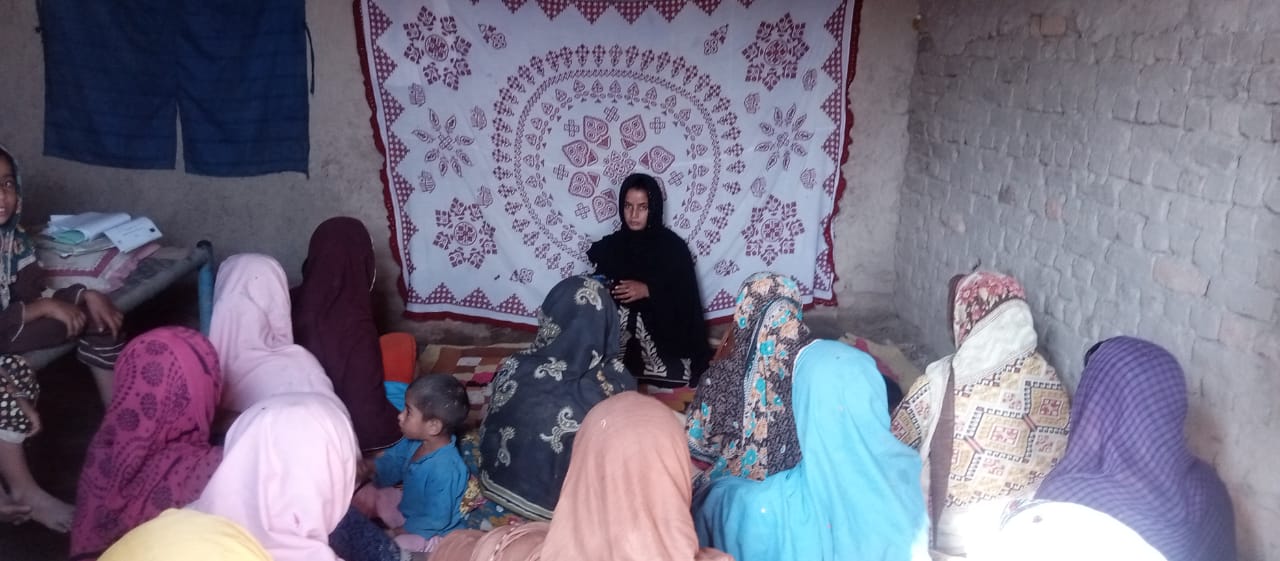
The digital champions now carry Raaji pads on every listening party — the product and the lesson in the same bag.

get on the waiting list →
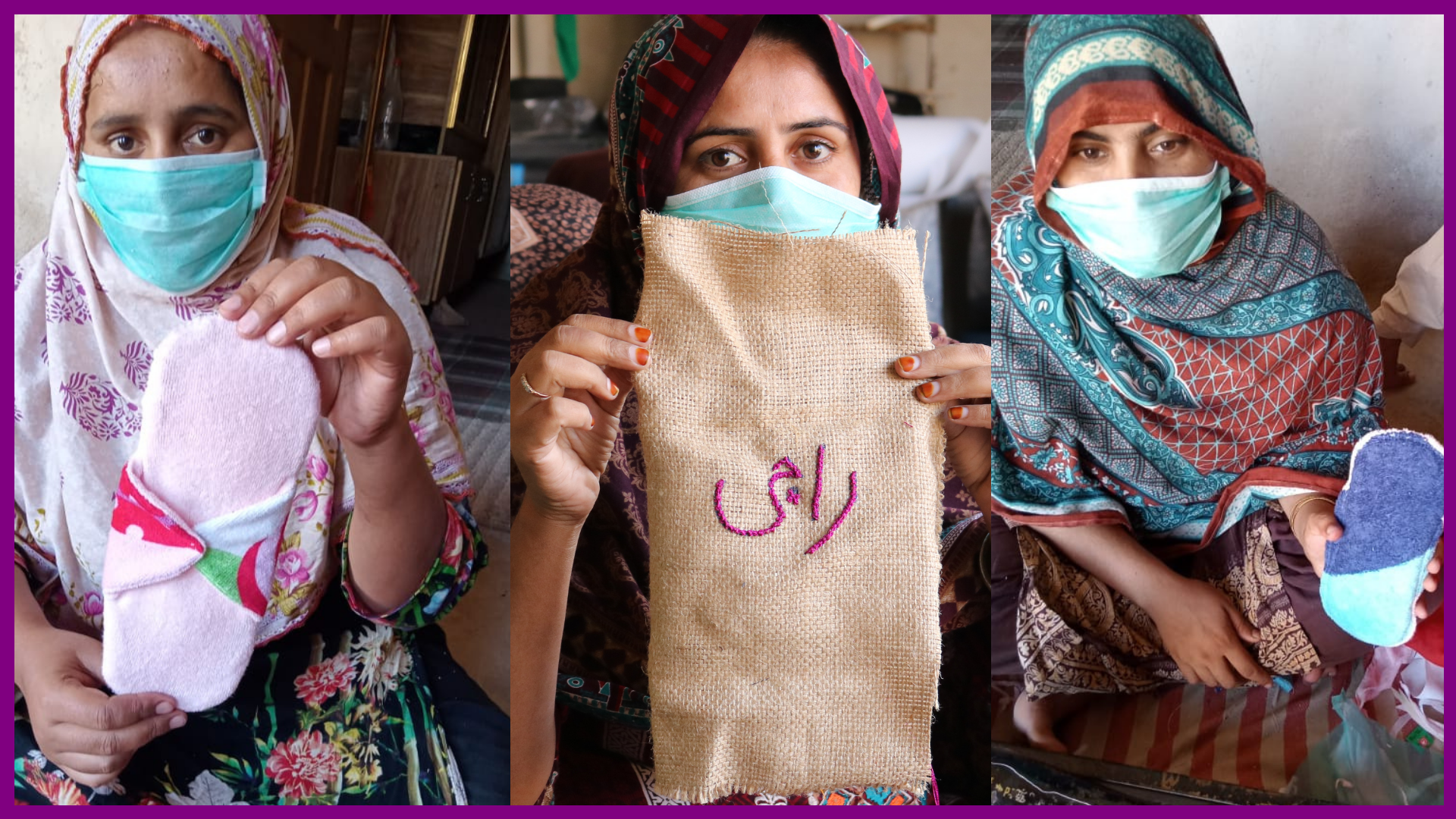
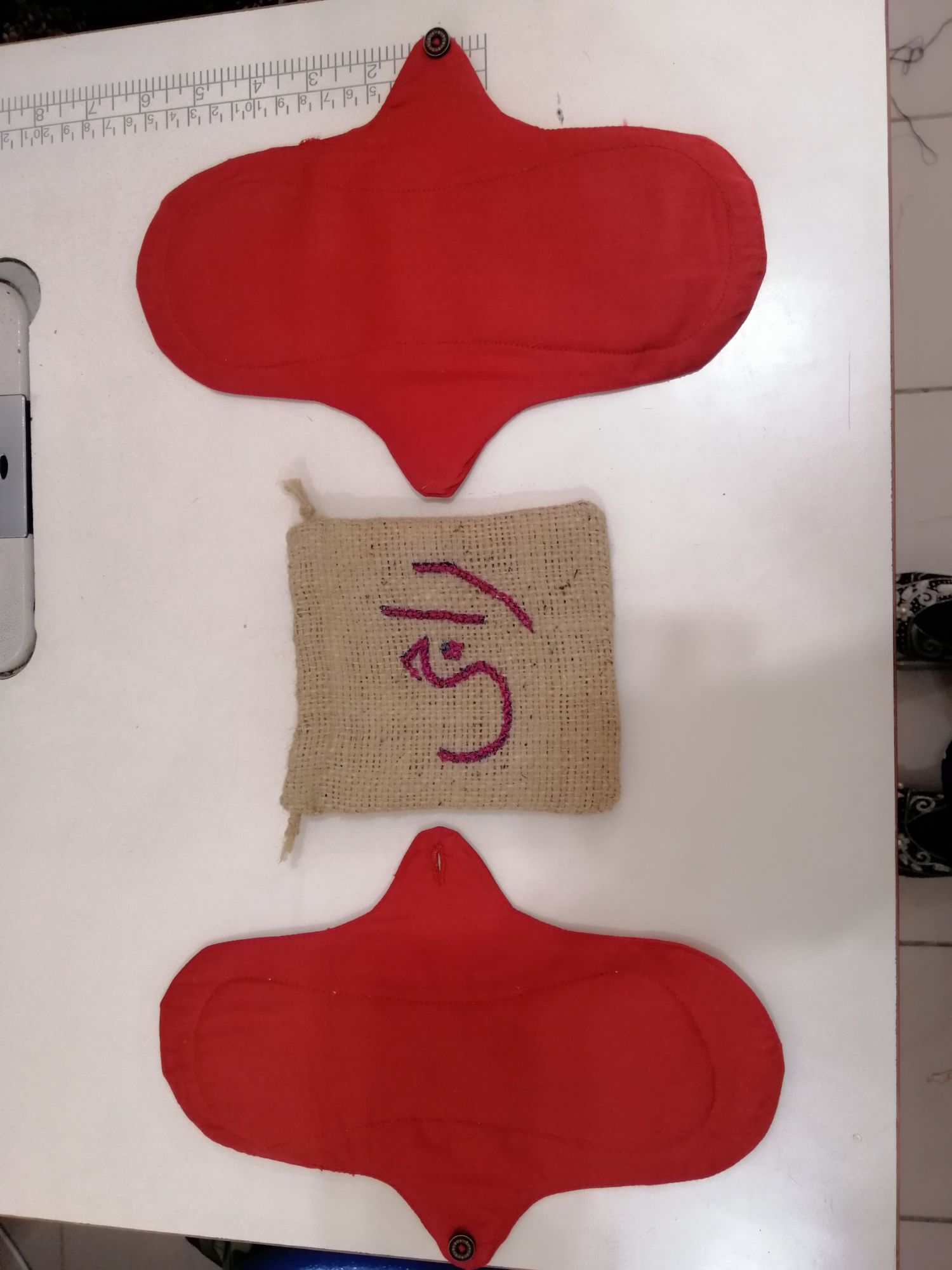
Three artisans holding up Raaji pad prototypes and an embroidered jute pouch
the first three prototypes. the pouch says راجی.
THE PROBLEM

"the first period product you ever used has still not decomposed."

  • → rural women still use rags, corn husks and ash
  • → 11,000+ disposables per woman per lifetime; a plastic pad takes 500–800 years to break down
  • → disposables are up to 90% plastic — infections, landfill, toxic smoke when burned
  • → cups and tampons carry insertion stigma; commercial pads never reach the village
  • → no product, no privacy, no information → girls skip school
THE SOLUTION

a cloth pad that tackles it from six angles.

  • affordable — lasts up to 2 years for a fraction of a year of disposables
  • accessible — sold where commercial napkins never reach
  • reusable — 1–2 years with basic care
  • culturally appropriate — women already wash cloth; no shift in attitude needed
  • good for health — no plastic, fewer infections
  • entrepreneurial & empowering — designed and sewn by rural women for fair wages, sold door to door by champions
HOW THE MODEL RUNS · SIX STEPS
01

srso curates villages and artisan groups whose sewing skills it has fostered for years.

02

aurat raaj trains them — in person and on whatsapp — in pattern making, cutting, sewing, finishing.

03

srso gives interest-free loans for machines and cloth from nearby markets.

04

aurat raaj places bulk orders and sells to urban buyers online.

05

both train the menstrual champions to sell in their own and neighbouring villages.

06

champions earn commission on every pad. the lesson and the product, one bag.

THE TRAINER · MEERA

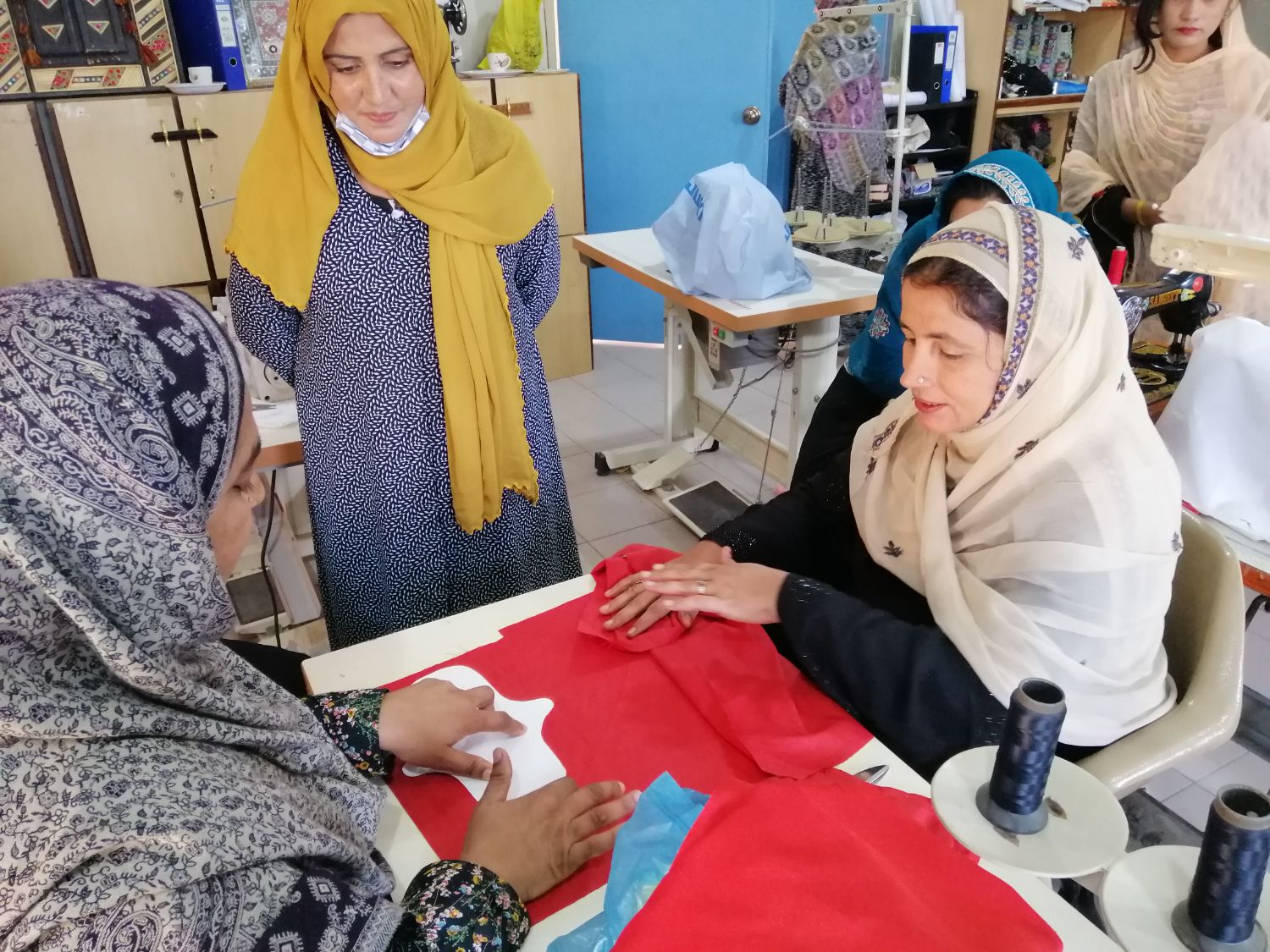
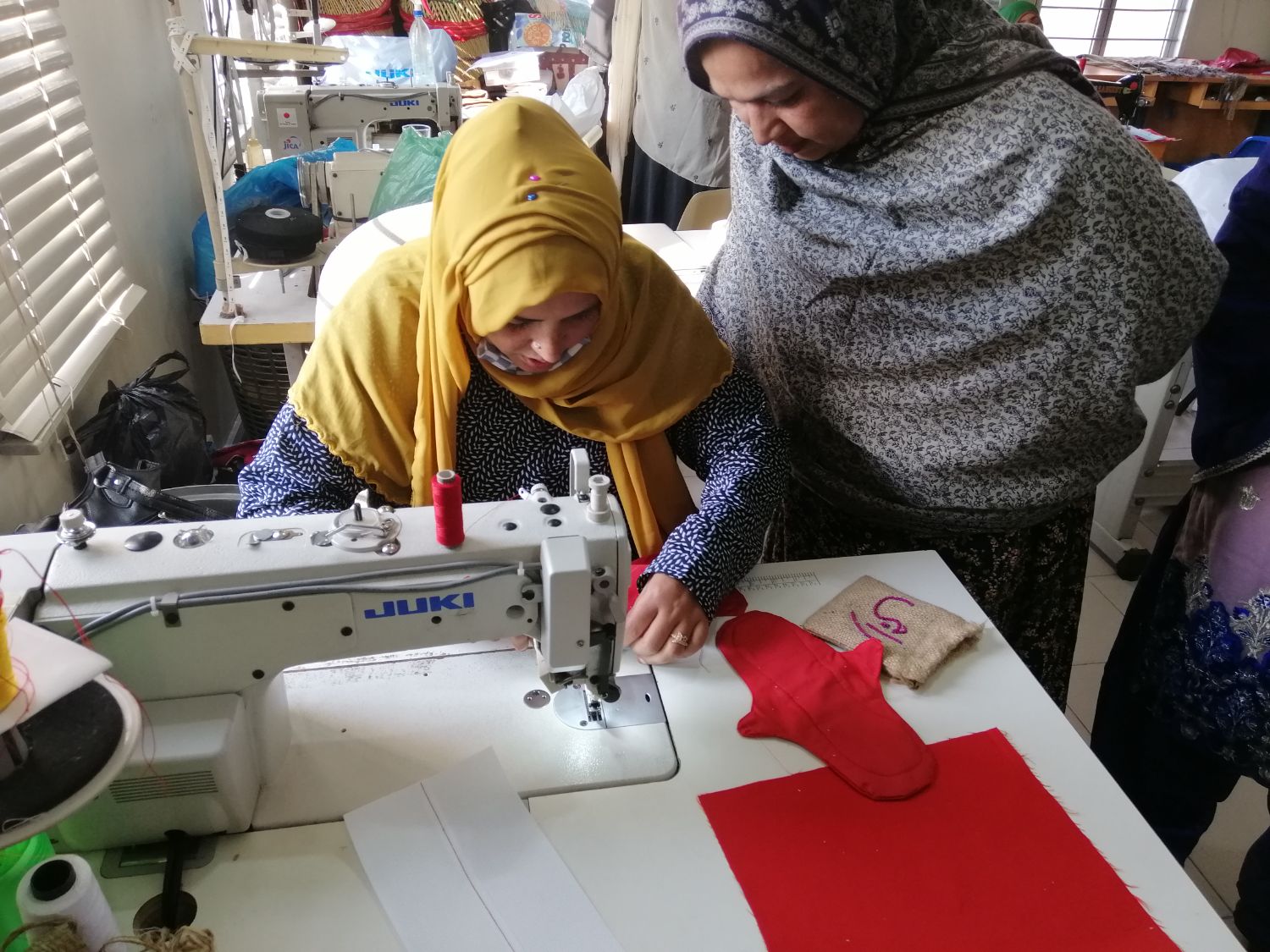
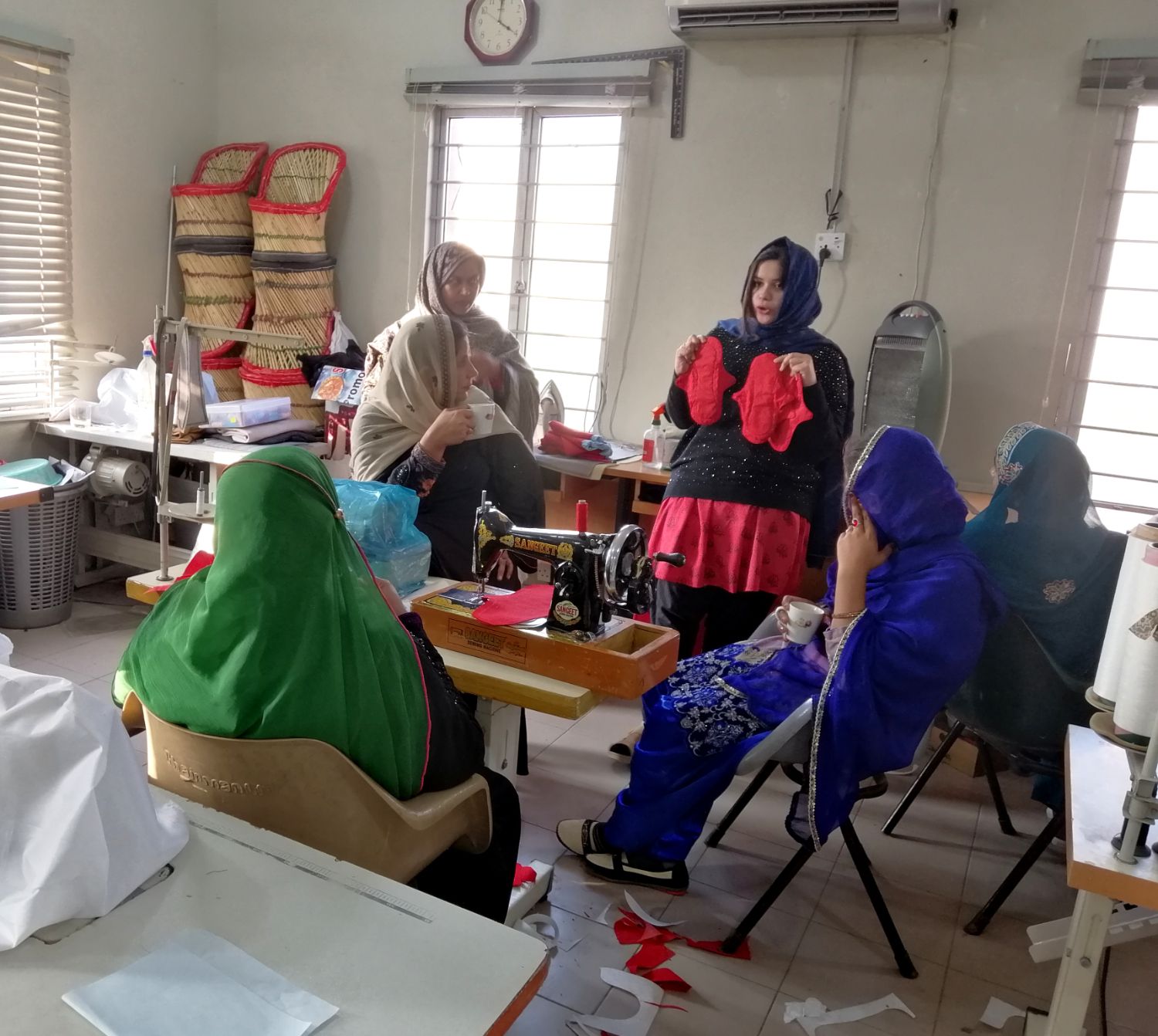
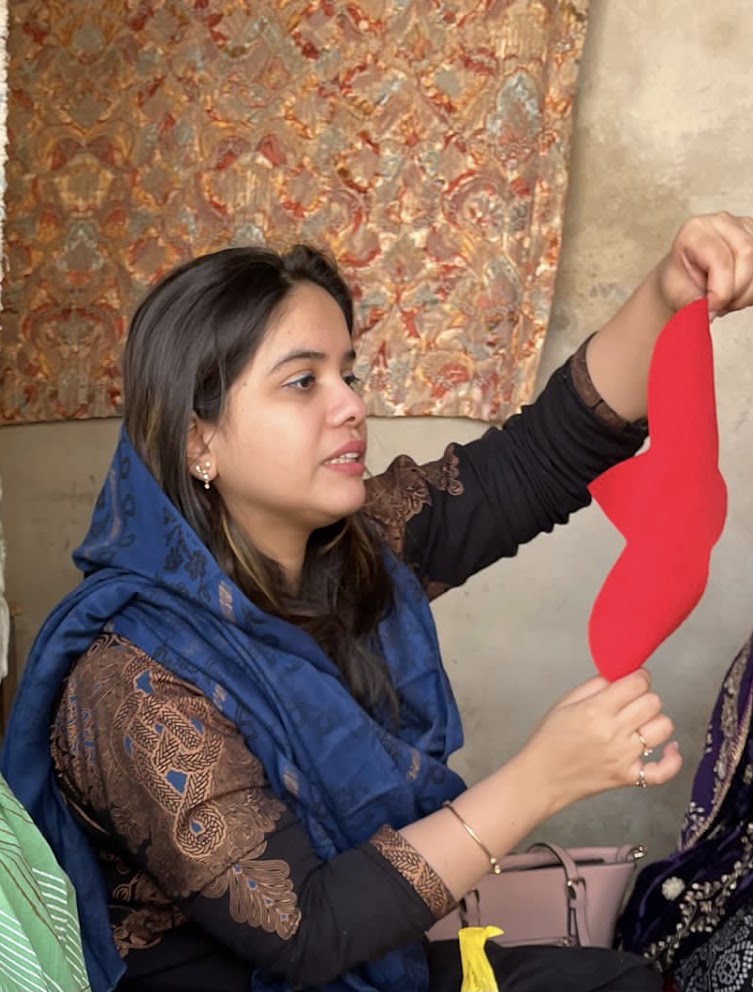
Meera trained the first batch of artisans — holding up the paper template, guiding a trainee’s hands over red cloth, stitching the first sample herself while the room watched.
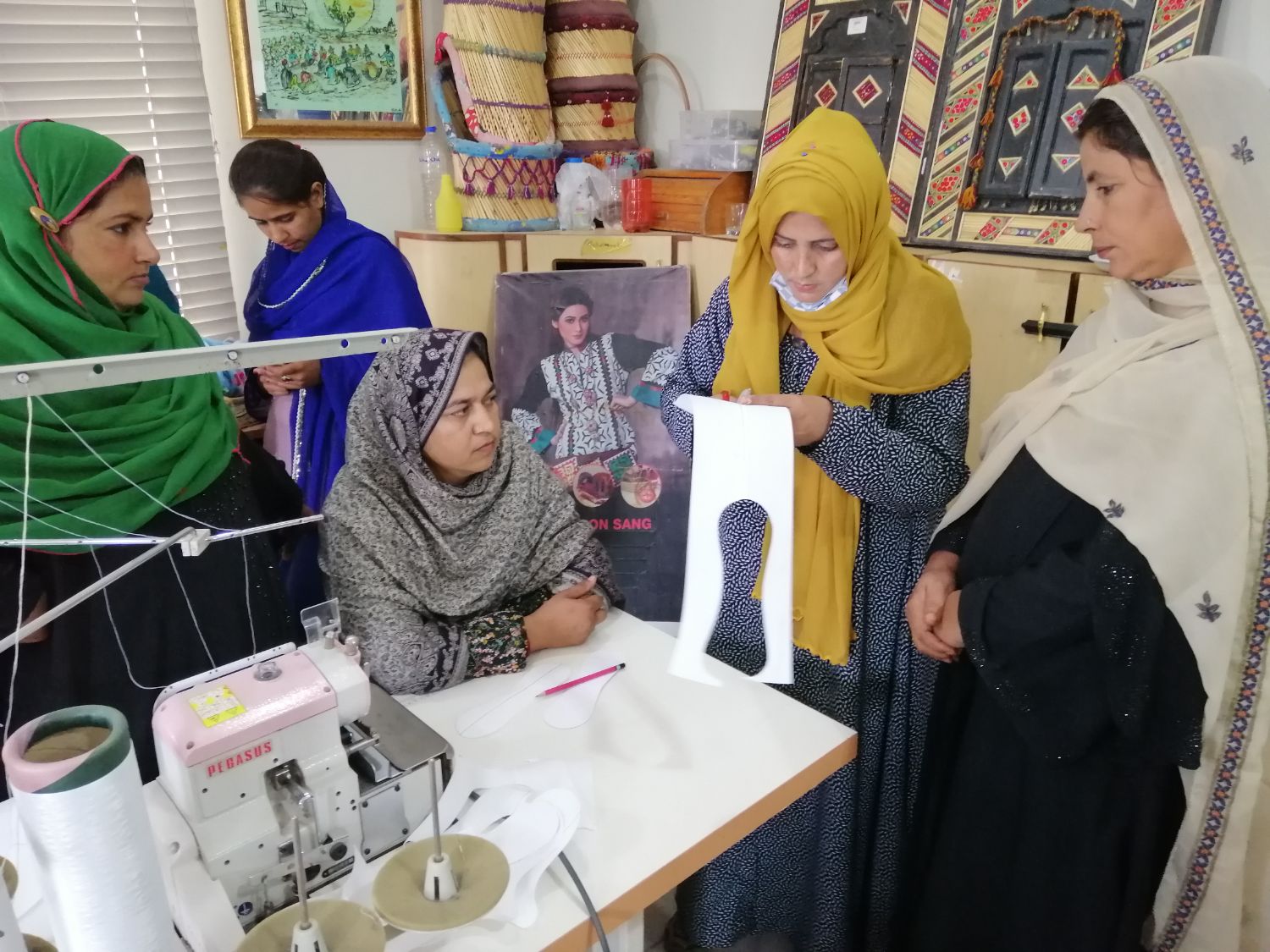
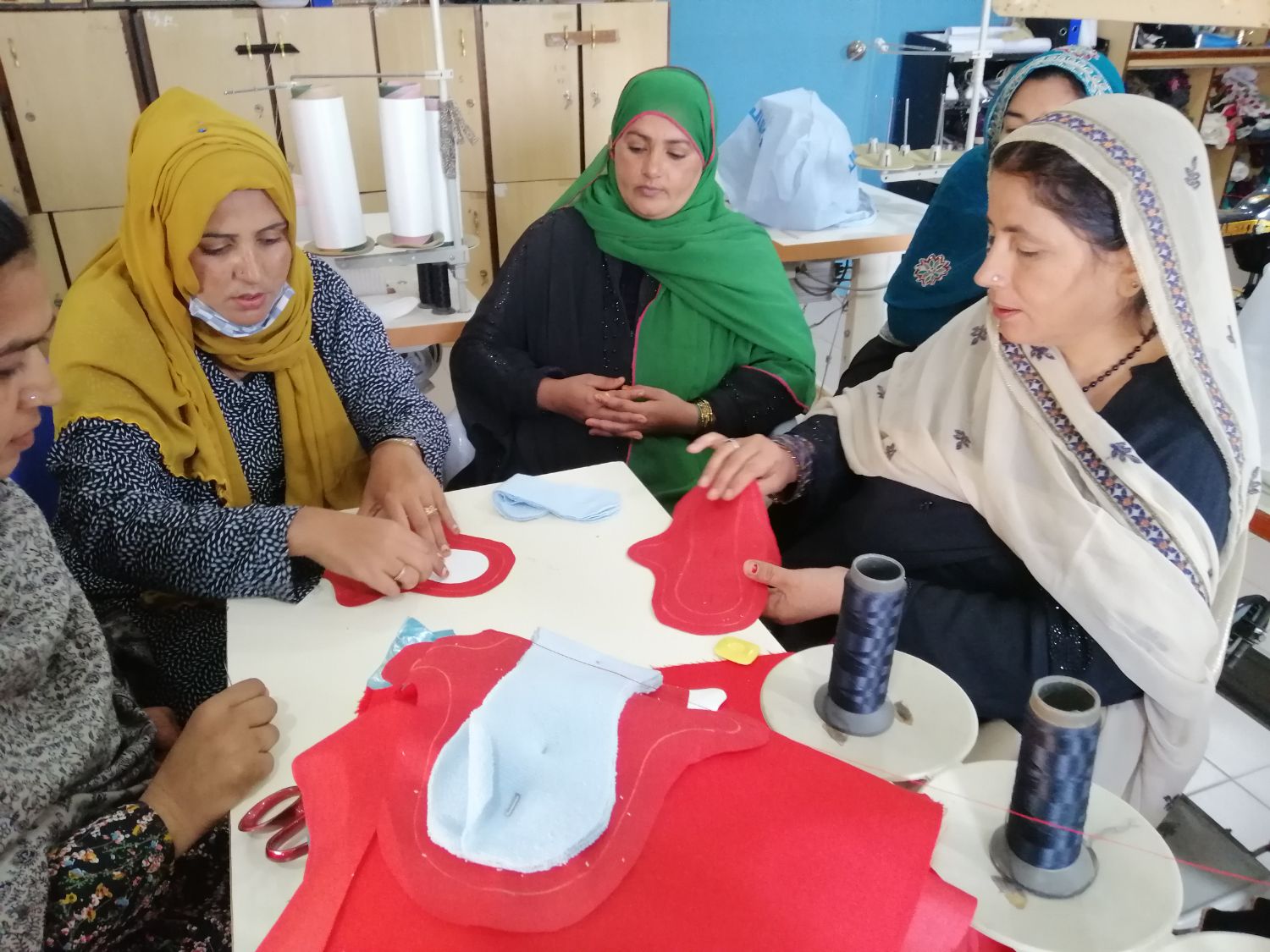
Meera holds up a paper pad template to a group of women
holds up the template.
Meera demonstrates a pad template to Business Development Group women
demonstrates it to the group.
Meera guides a seated trainee cutting red fabric
guides a trainee’s hands.
Meera stitches a pad on a Juki machine as a trainee watches
stitches the first sample.
THE PRODUCT, UP CLOSE
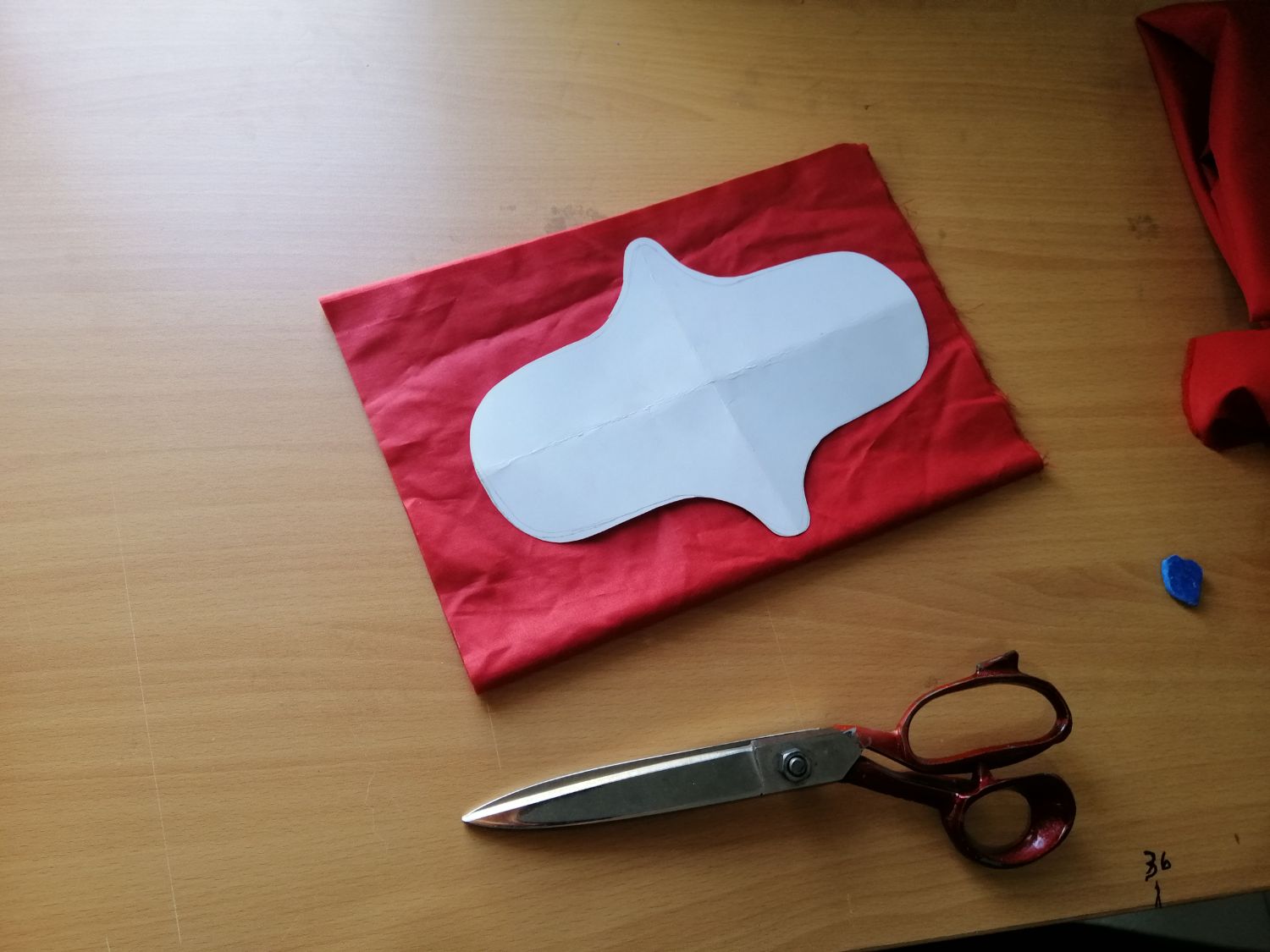
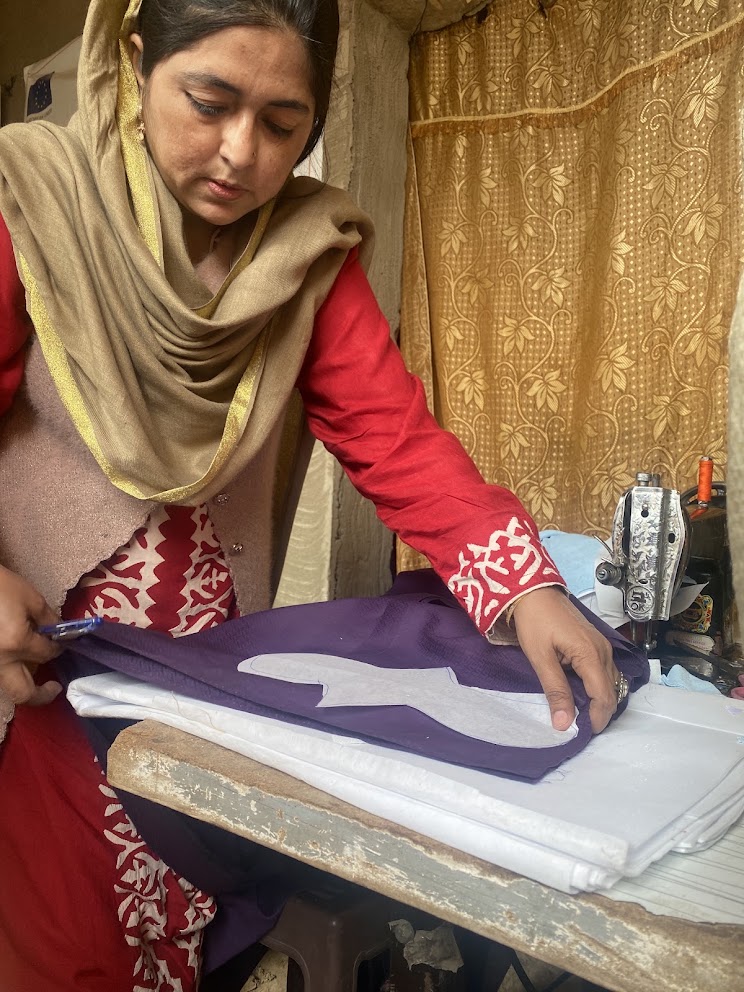
A paper template on red cloth beside a pair of shears
the pattern, before the first cut.
A symmetrical flat lay of pad pieces on a cutting mat
every layer, laid flat.
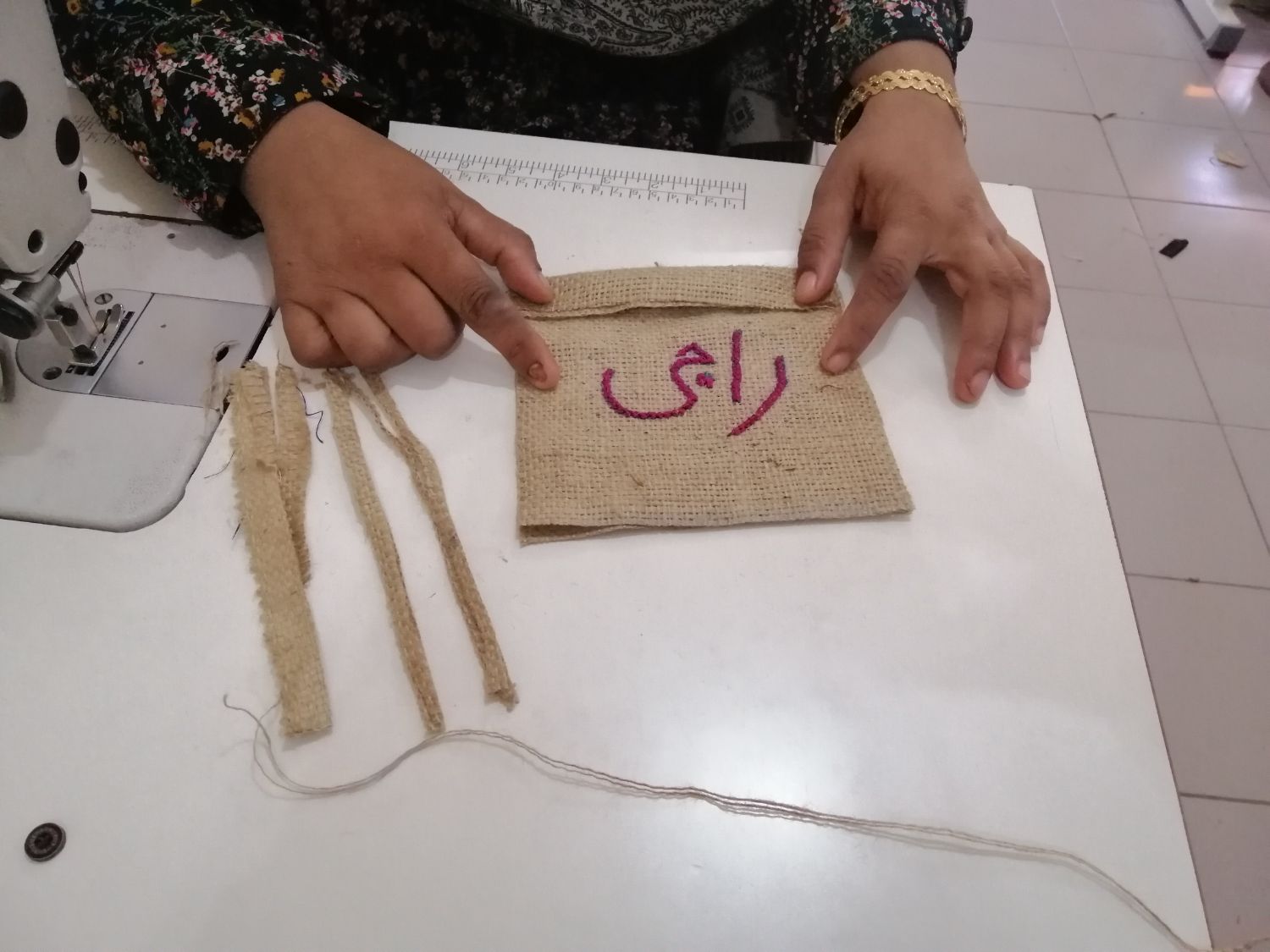
Hands measuring jute cloth beside a Juki machine
measuring the jute for the pouch.
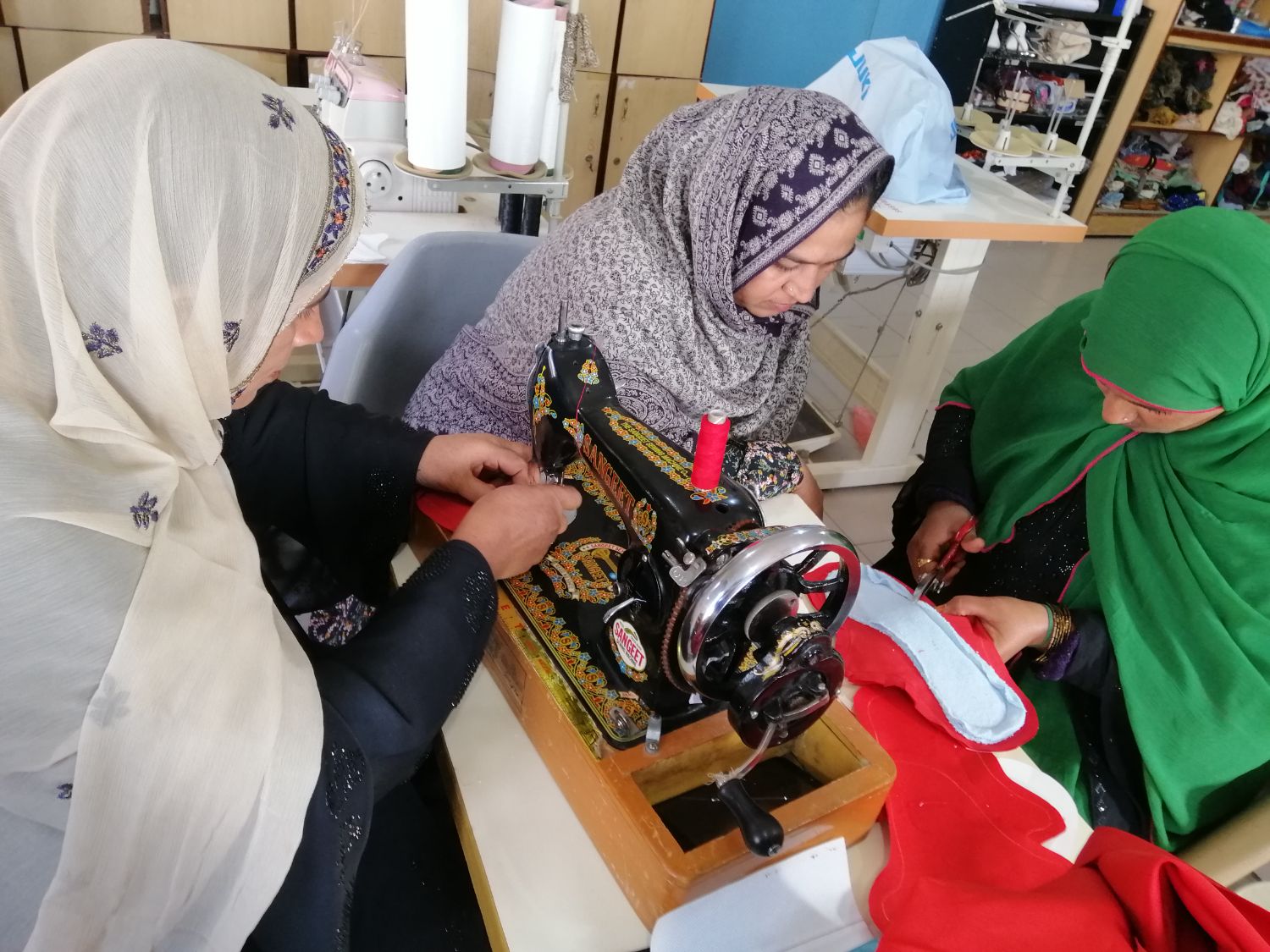
Two women at an old black and gold treadle sewing machine
the treadle machine. older than the room.
A training room of women in bright headscarves at sewing machines
the training room, mid-lesson.
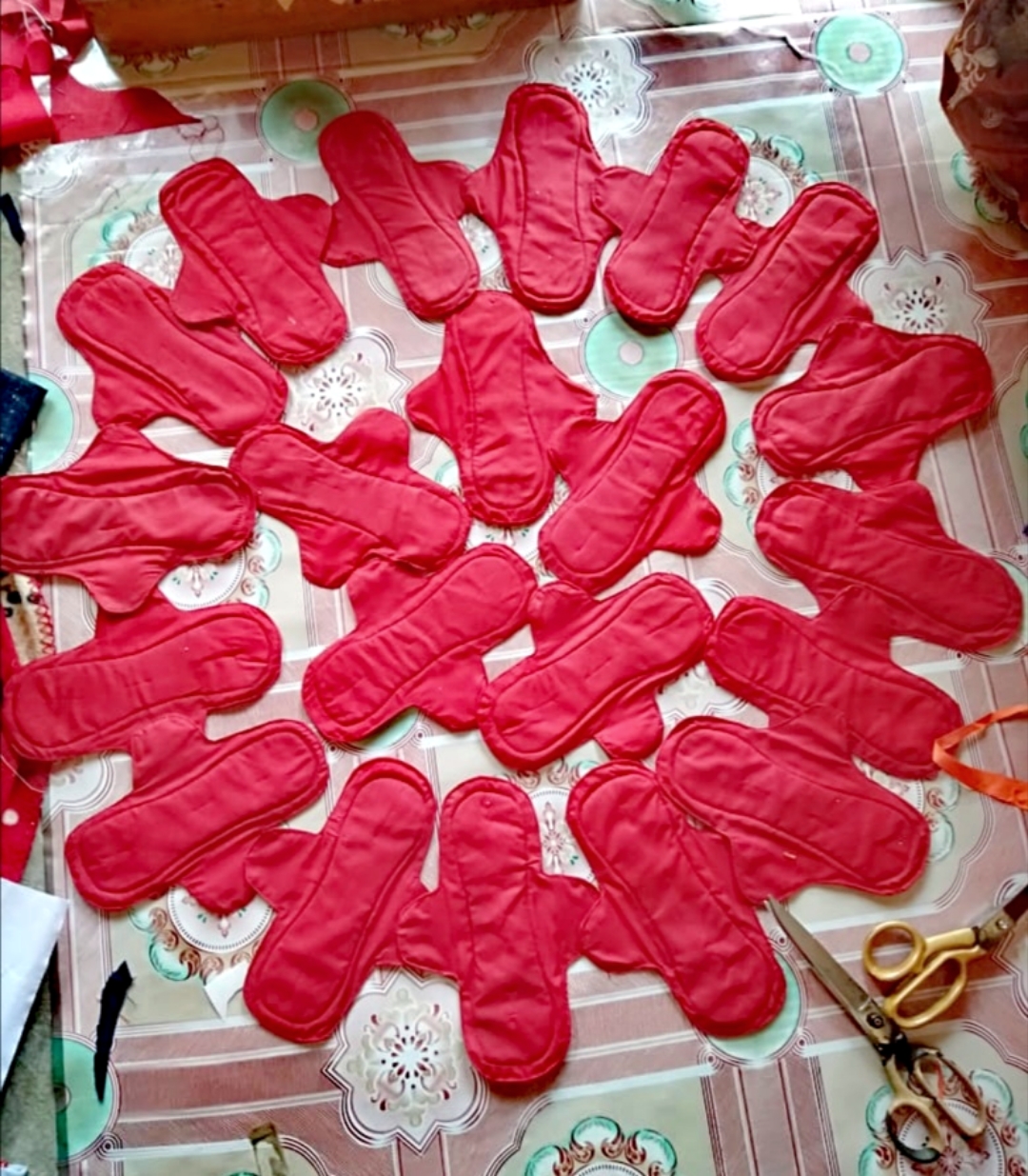
A sunburst arrangement of finished red pads laid out by Shazia’s artisan group
shazia’s artisan group. every pad they made that week, laid out like a flower.
THE CHAMPIONS, PAD IN HAND · LISTENING PARTY POSTER ON THE WALL
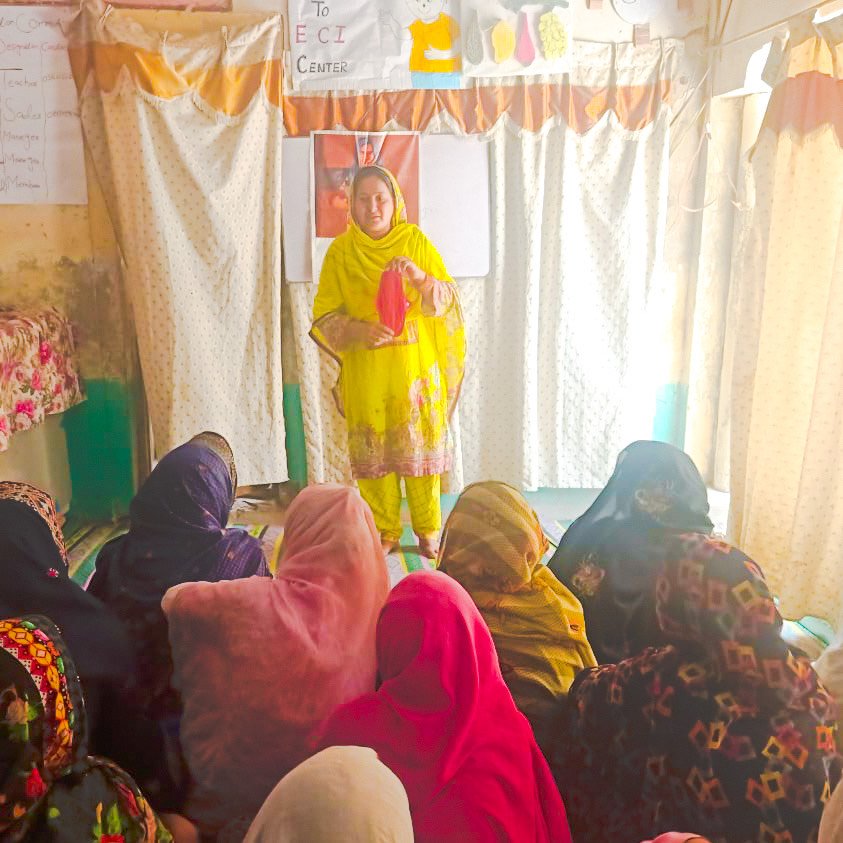
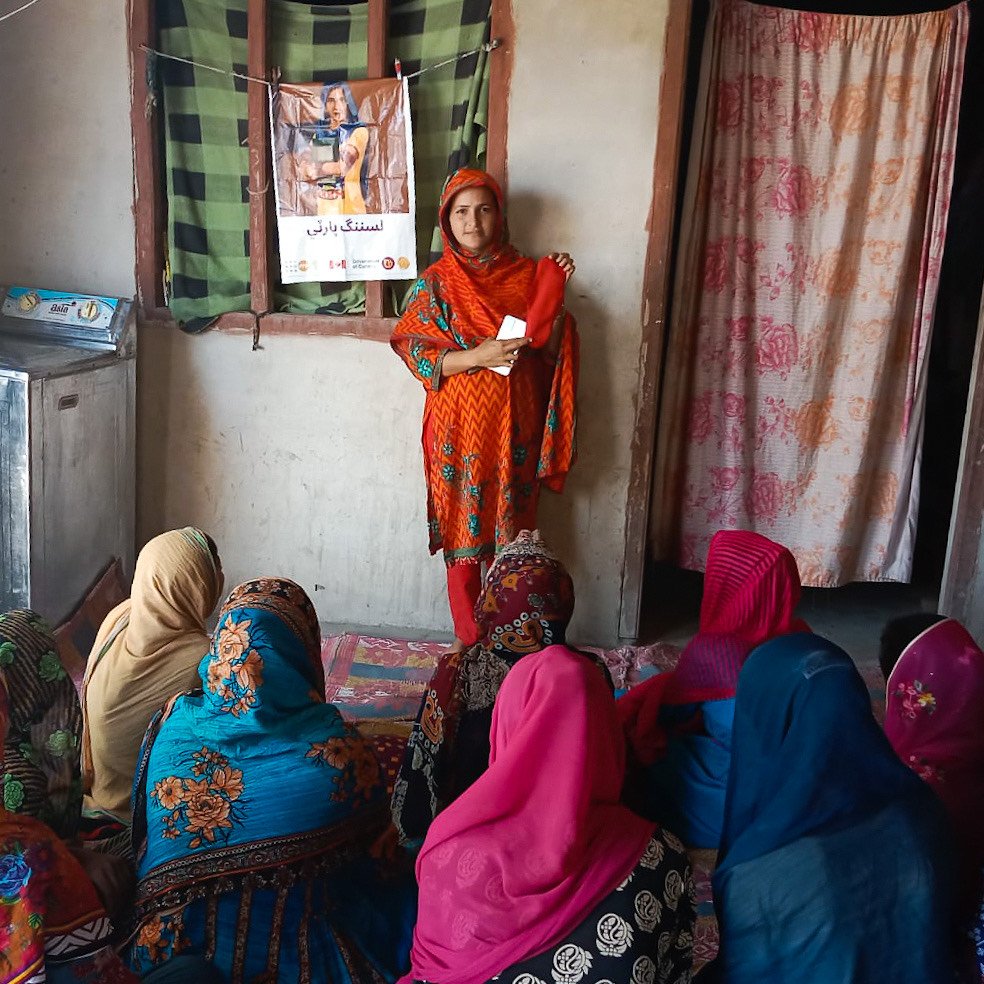
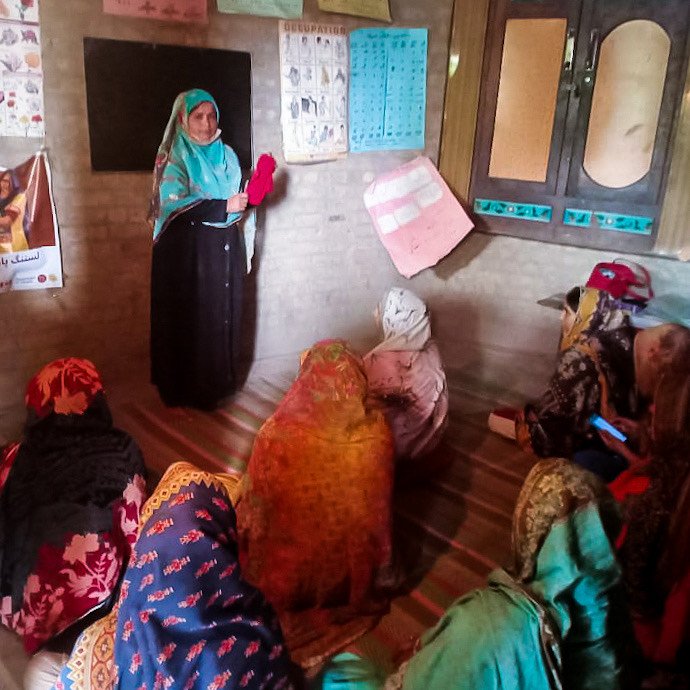
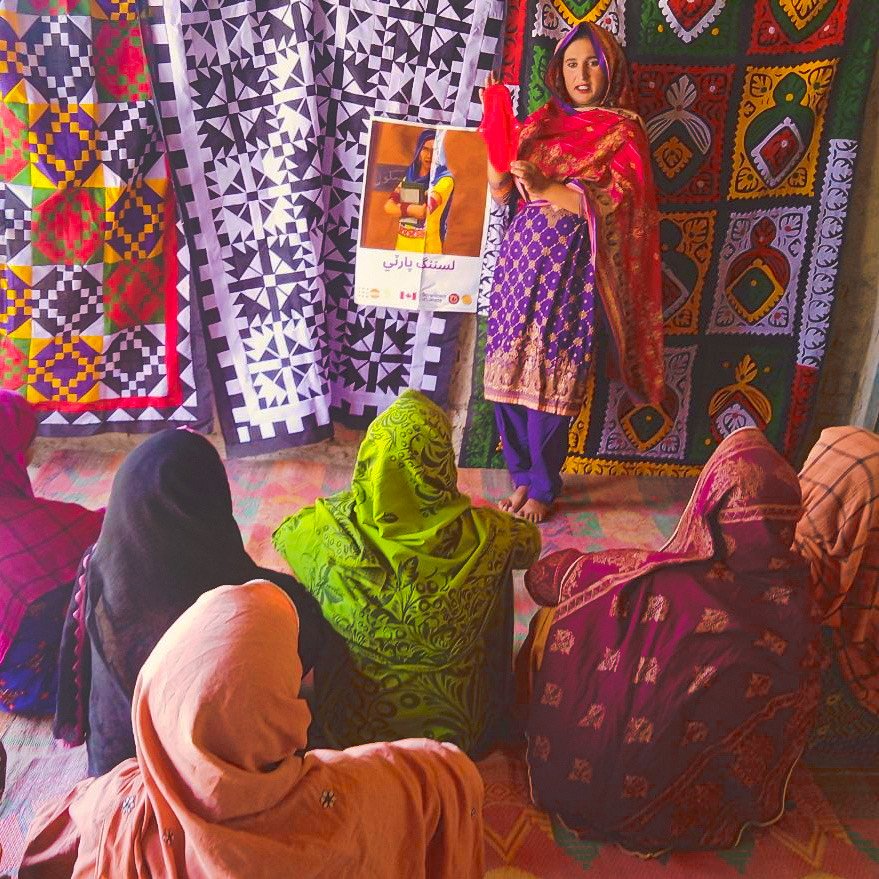
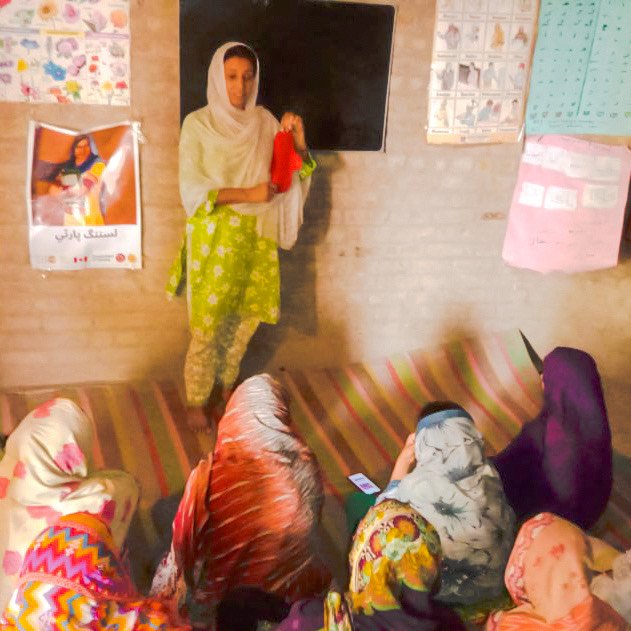
A champion in green holding up a red pad by a blackboard A champion in purple holding a red pad in front of rilli quilts A champion in teal holding a pad in a classroom A champion in orange holding a pad under the listening party poster A champion in yellow holding a pad in a curtained room
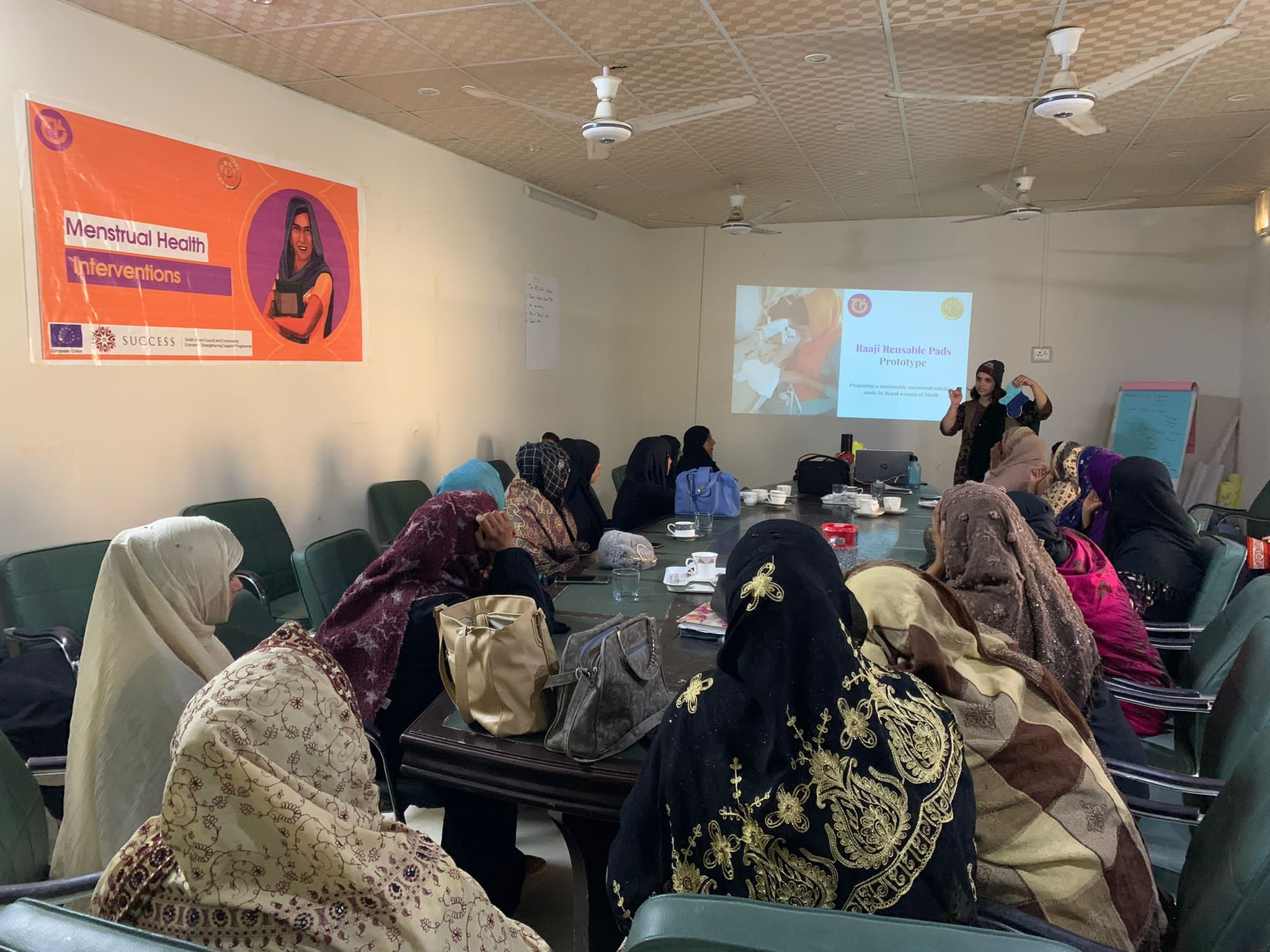
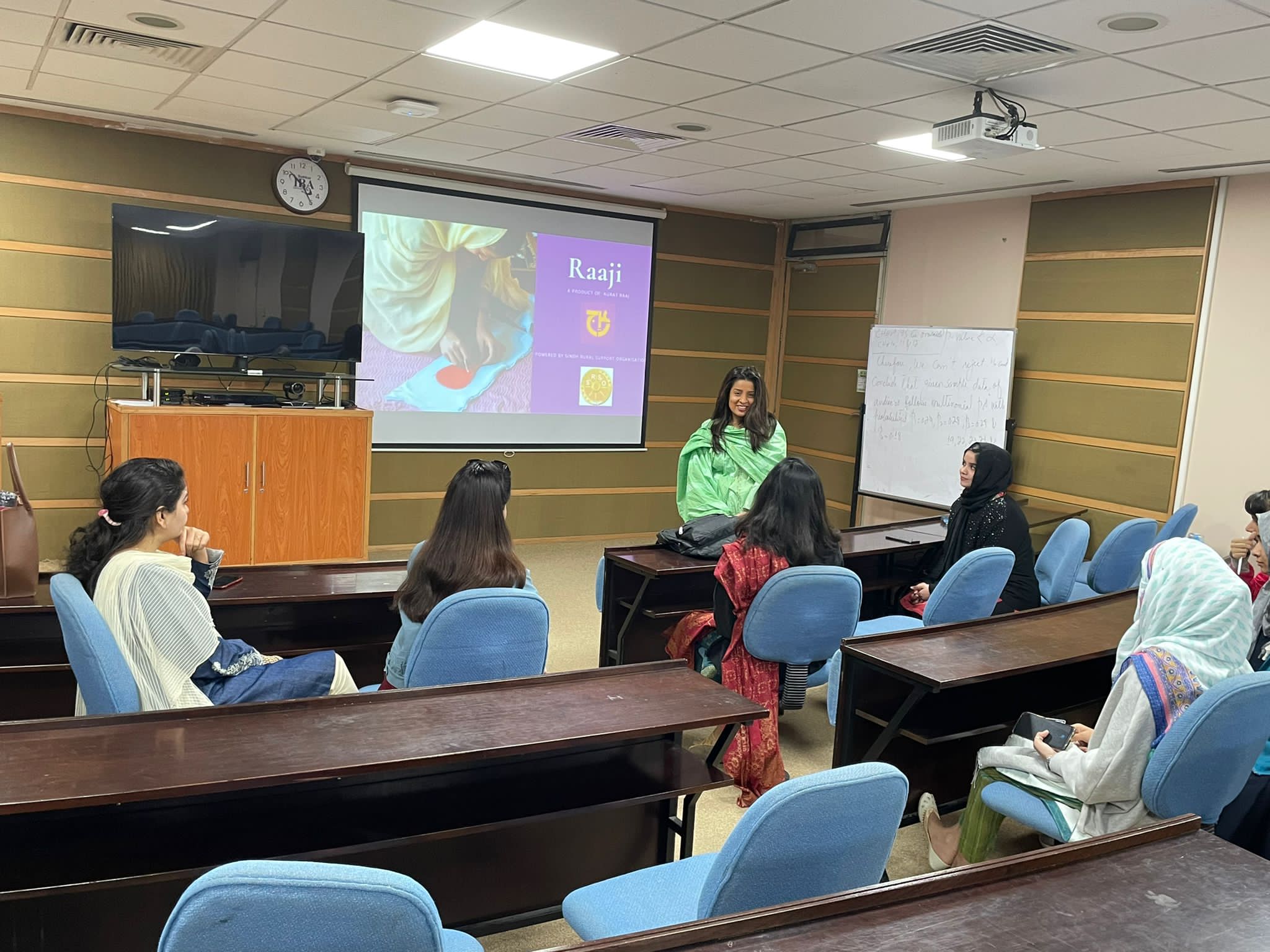
A conference room with a Raaji Reusable Pads Prototype slide
the pitch, to the srso women's groups. 'raaji reusable pads — made by rural women of sindh.'
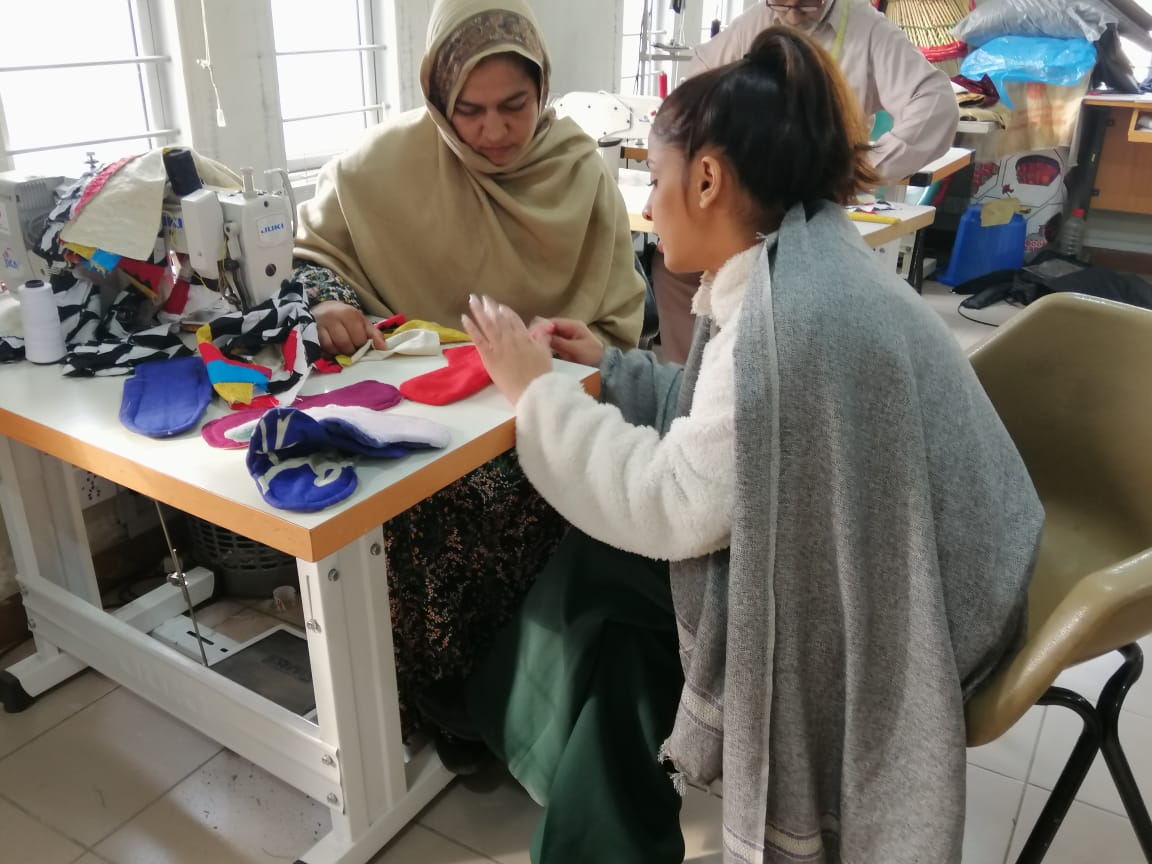
Two women working a pad prototype at an industrial sewing table
first prototypes, karachi. a factory floor lent to us for a day.
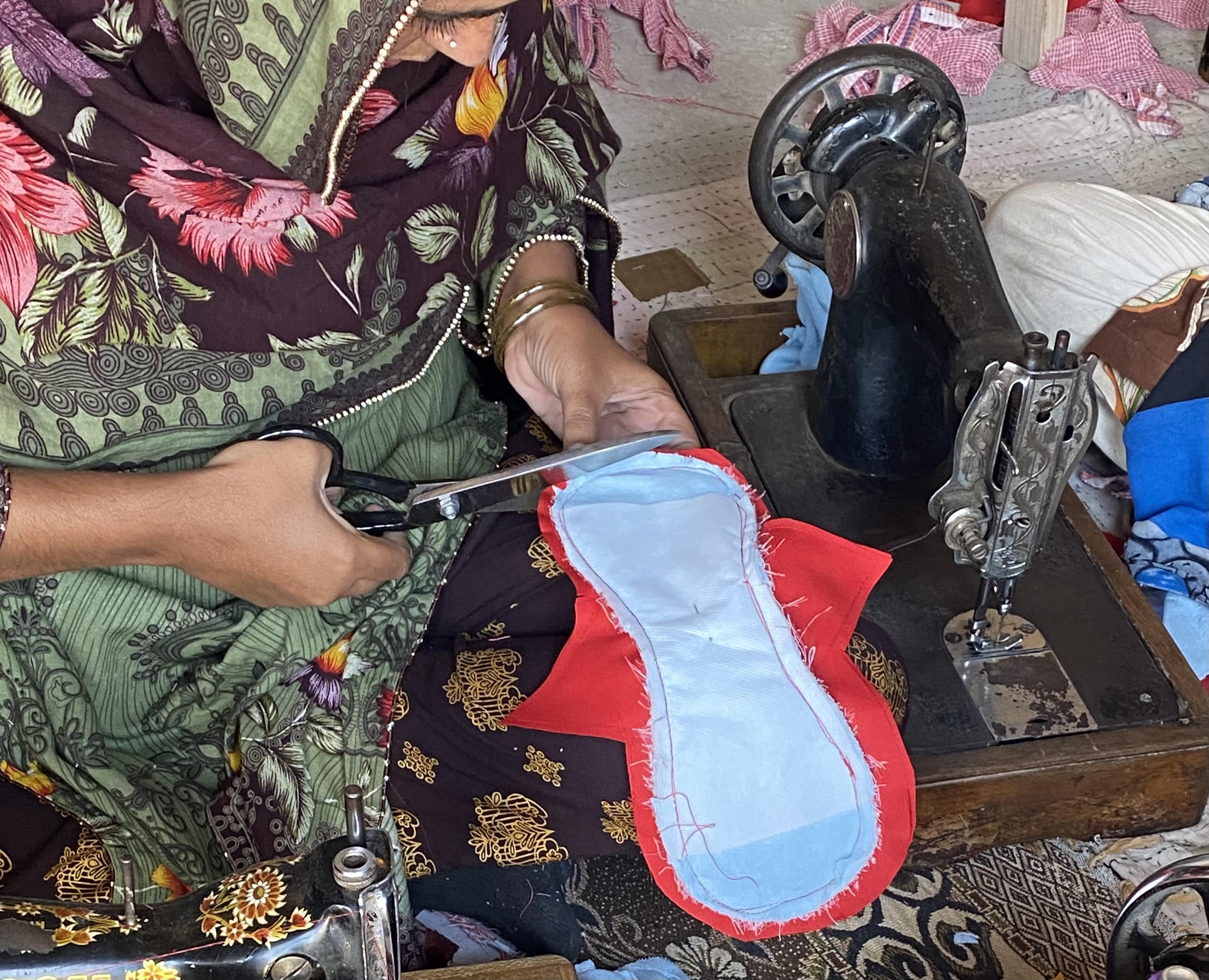
Women cutting a pad pattern on a rilli
cutting on the rilli. the quilt is the workbench.
Hands trimming a red and blue pad on a sewing machine
trim. turn. stitch.
A woman holding up a red cloth pad
samina, holding one up. every room went quiet, then loud.
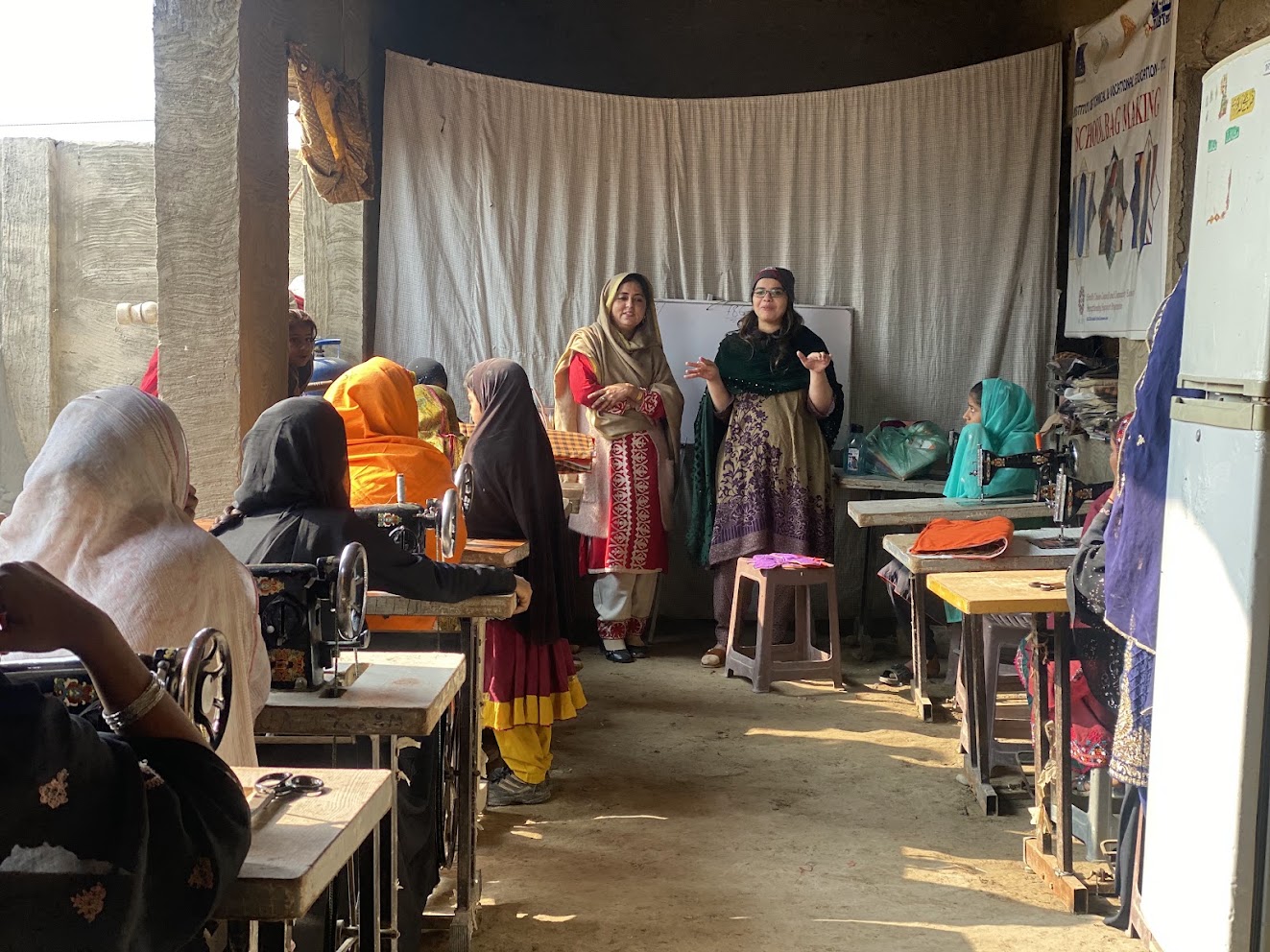
A vocational sewing classroom, two women teaching
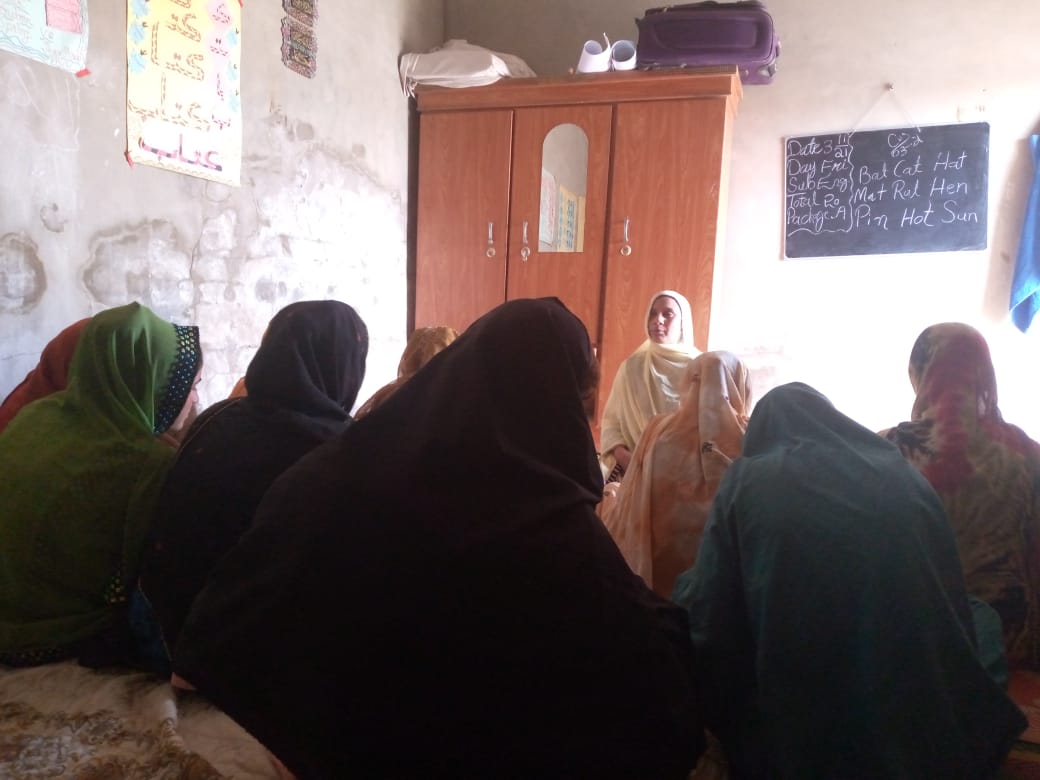
a tvet sewing class in larkana. the curriculum got one extra lesson.
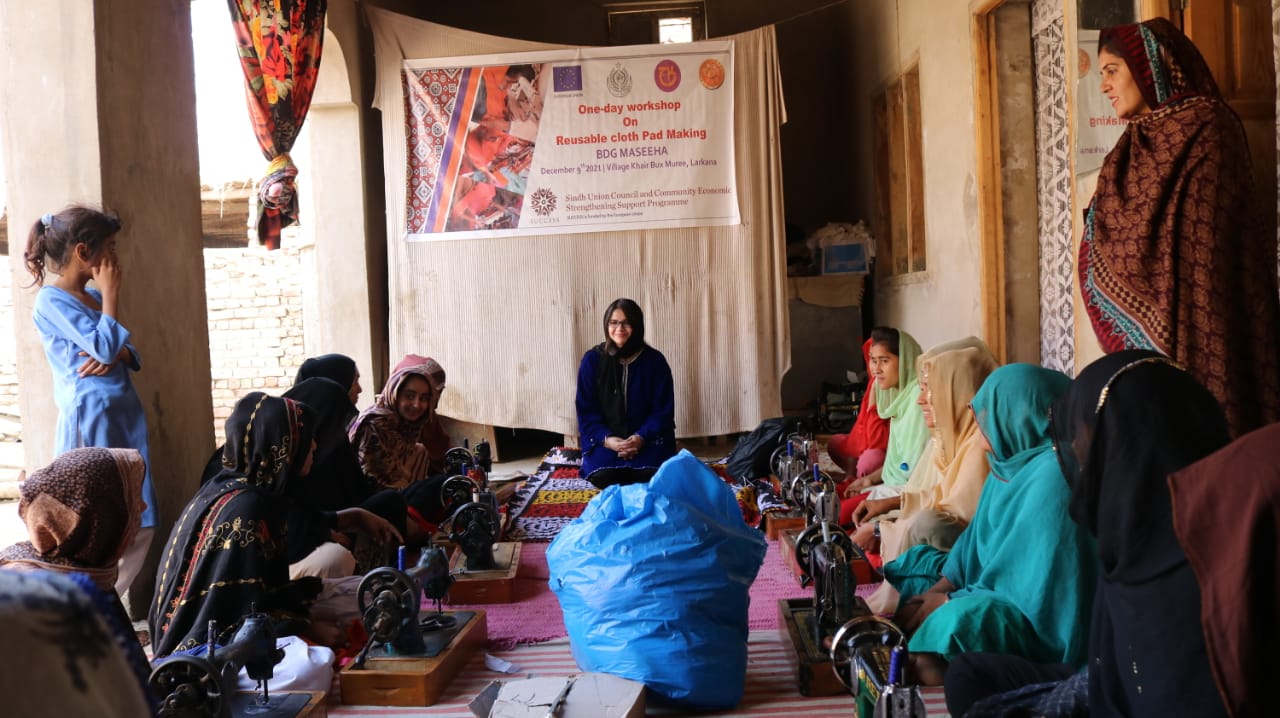
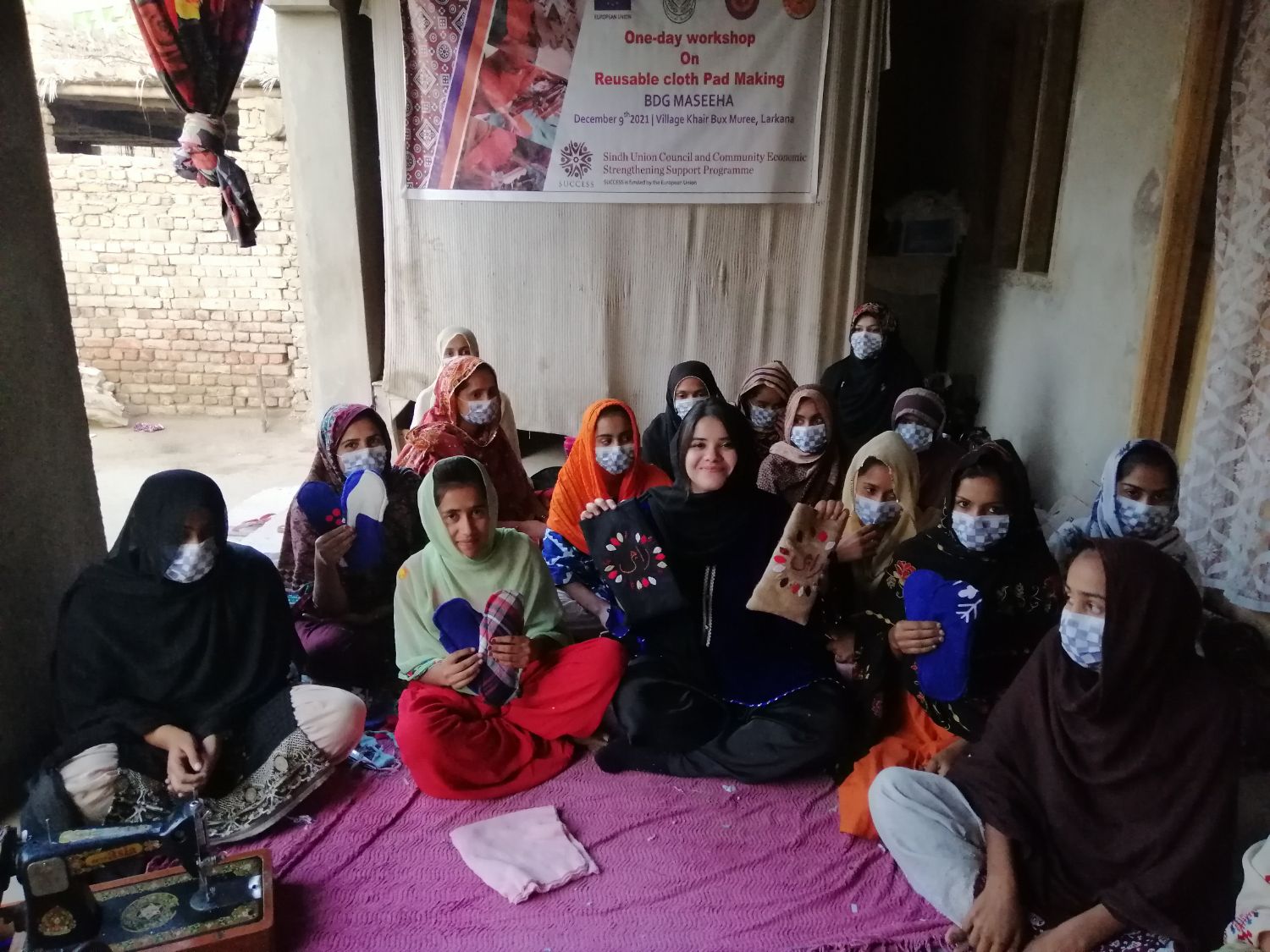
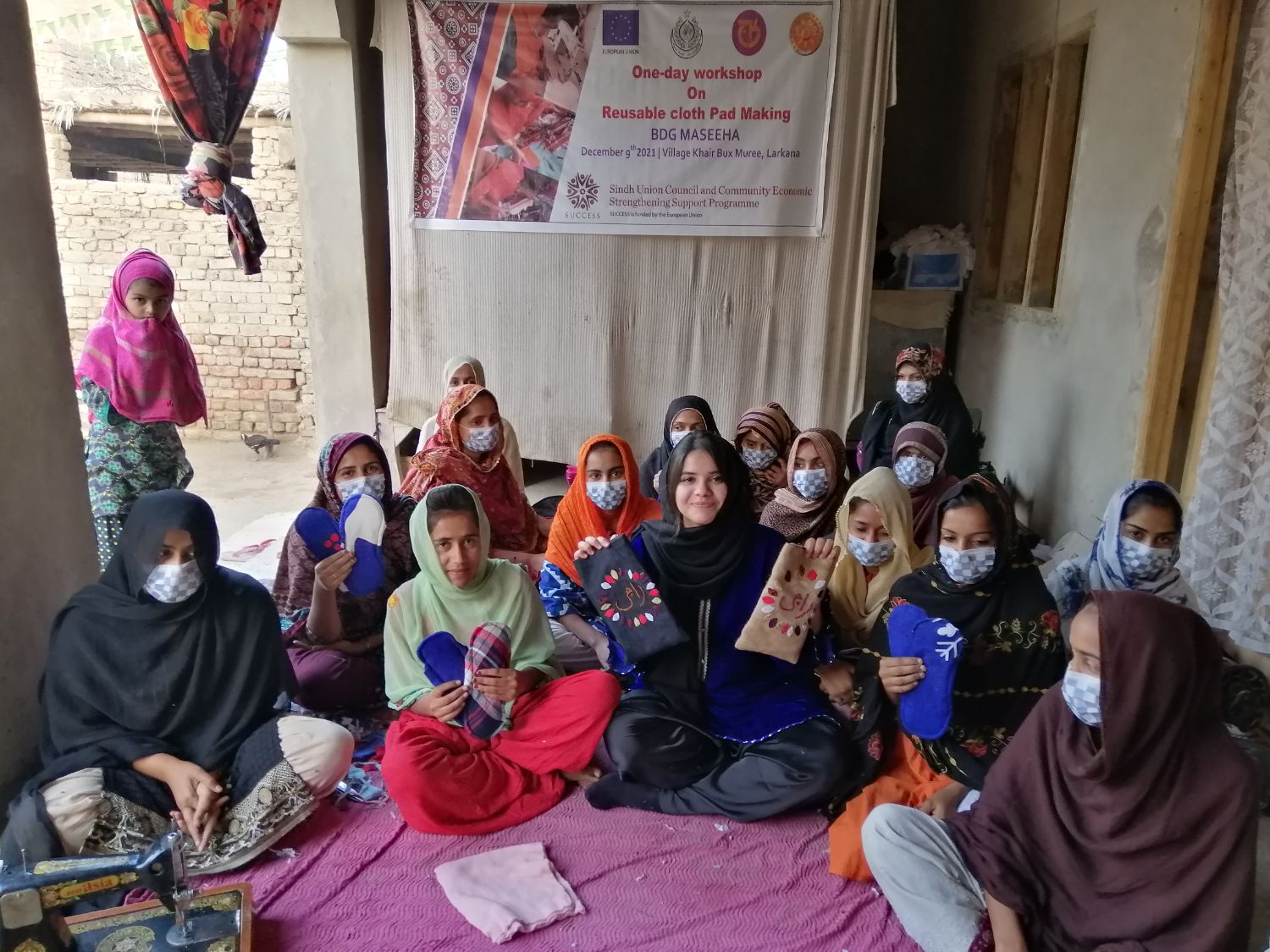
A one-day reusable cloth pad workshop under a banner
one-day workshop, village khair bux muree, december 2021.
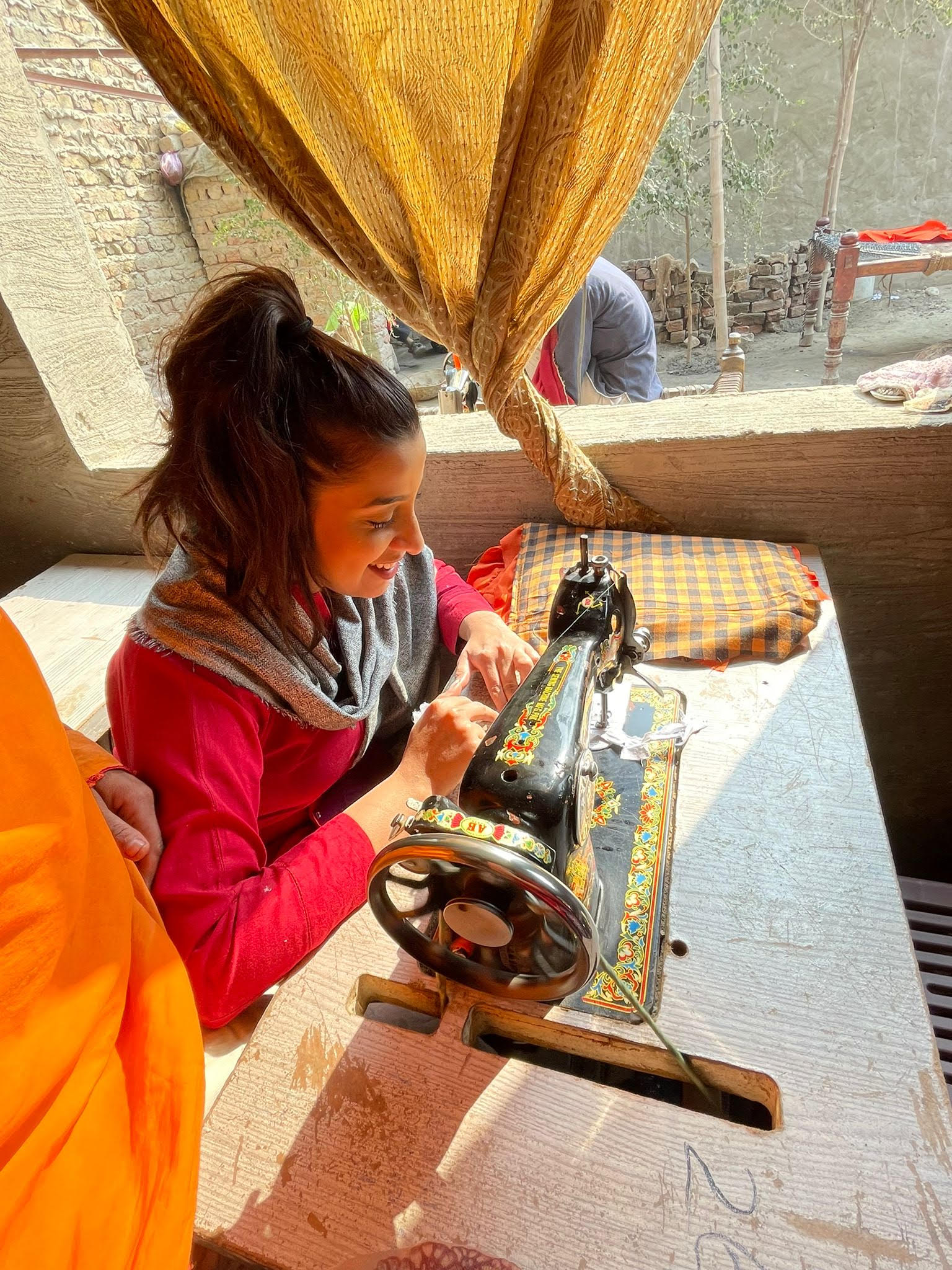
A young woman at a hand-crank sewing machine, smiling
shaiwana on the machine. she ran all of this while i was in california.
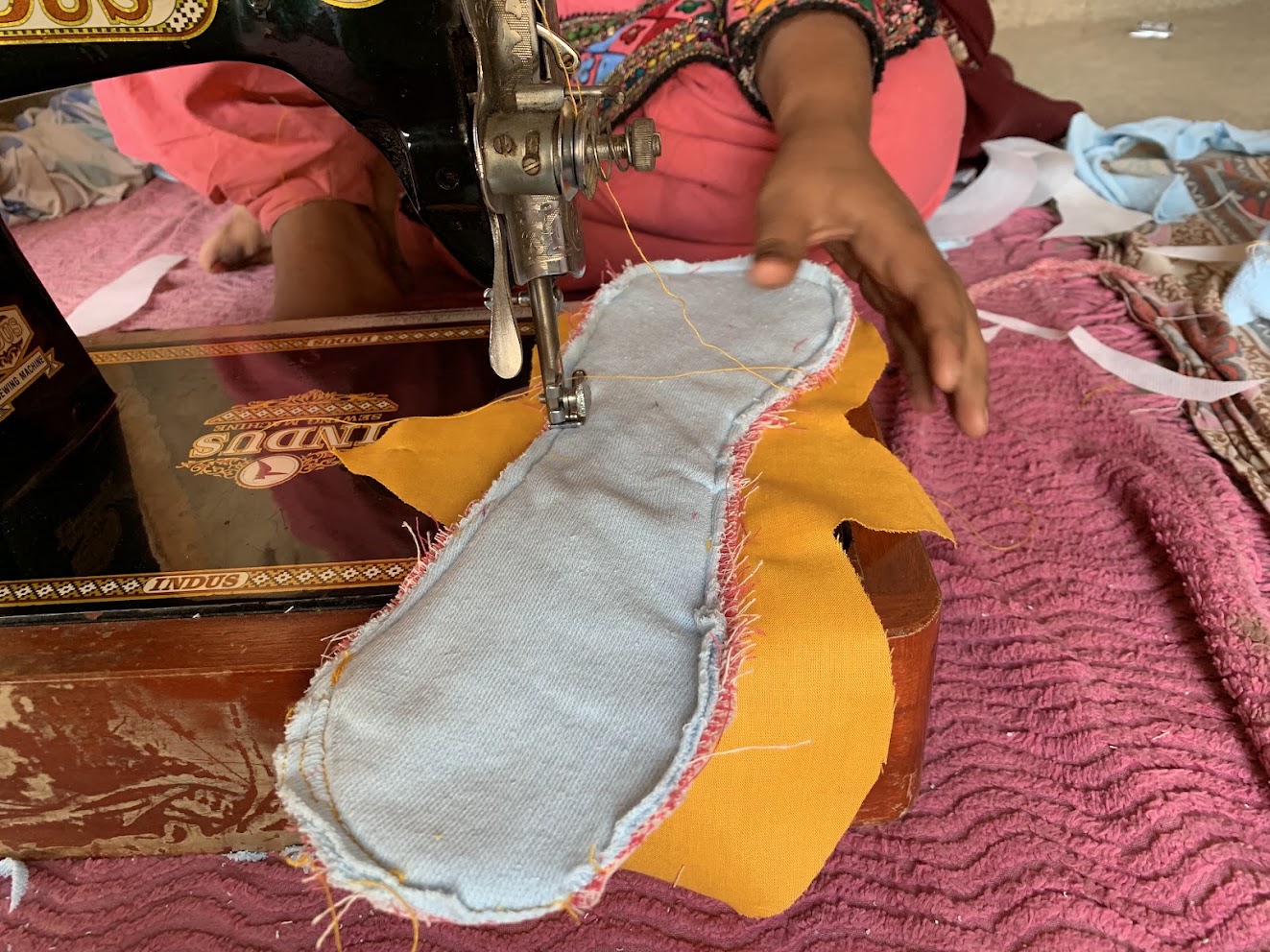
A pad being stitched on an Indus sewing machine
the indus machine. older than everyone in the room.
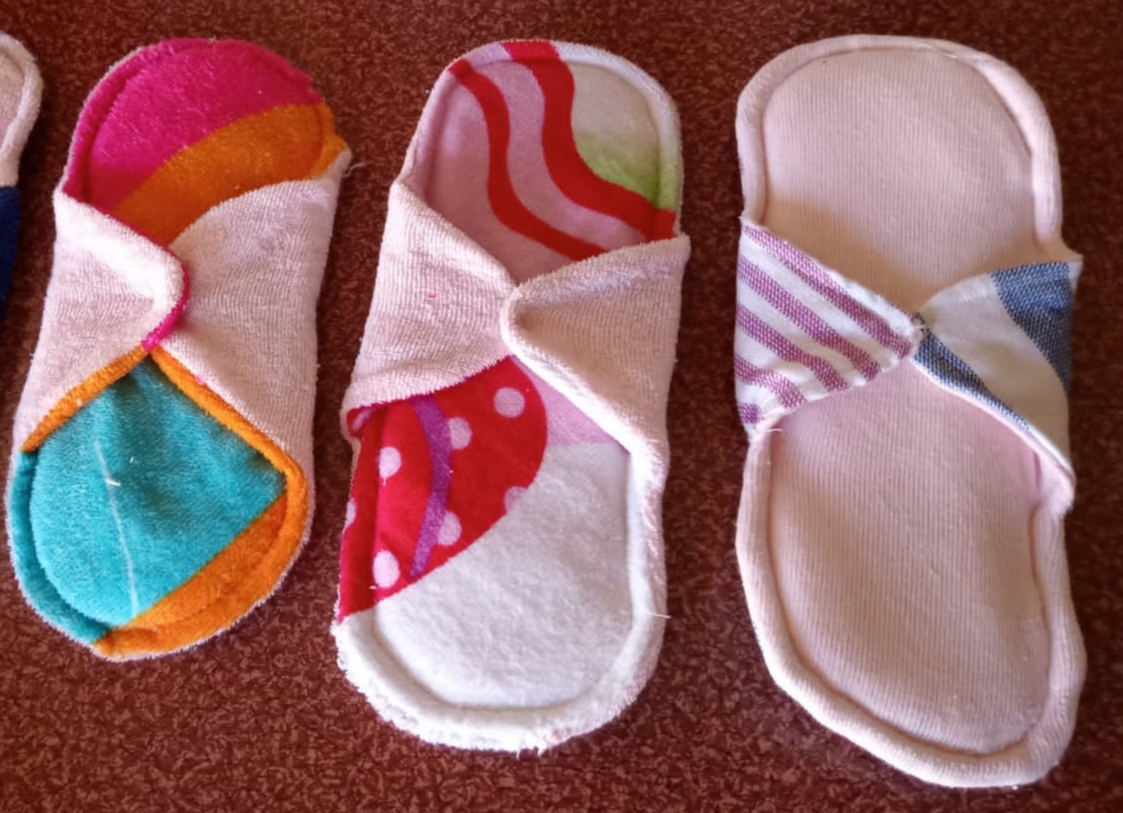
Finished Raaji pads and embroidered jute pouches
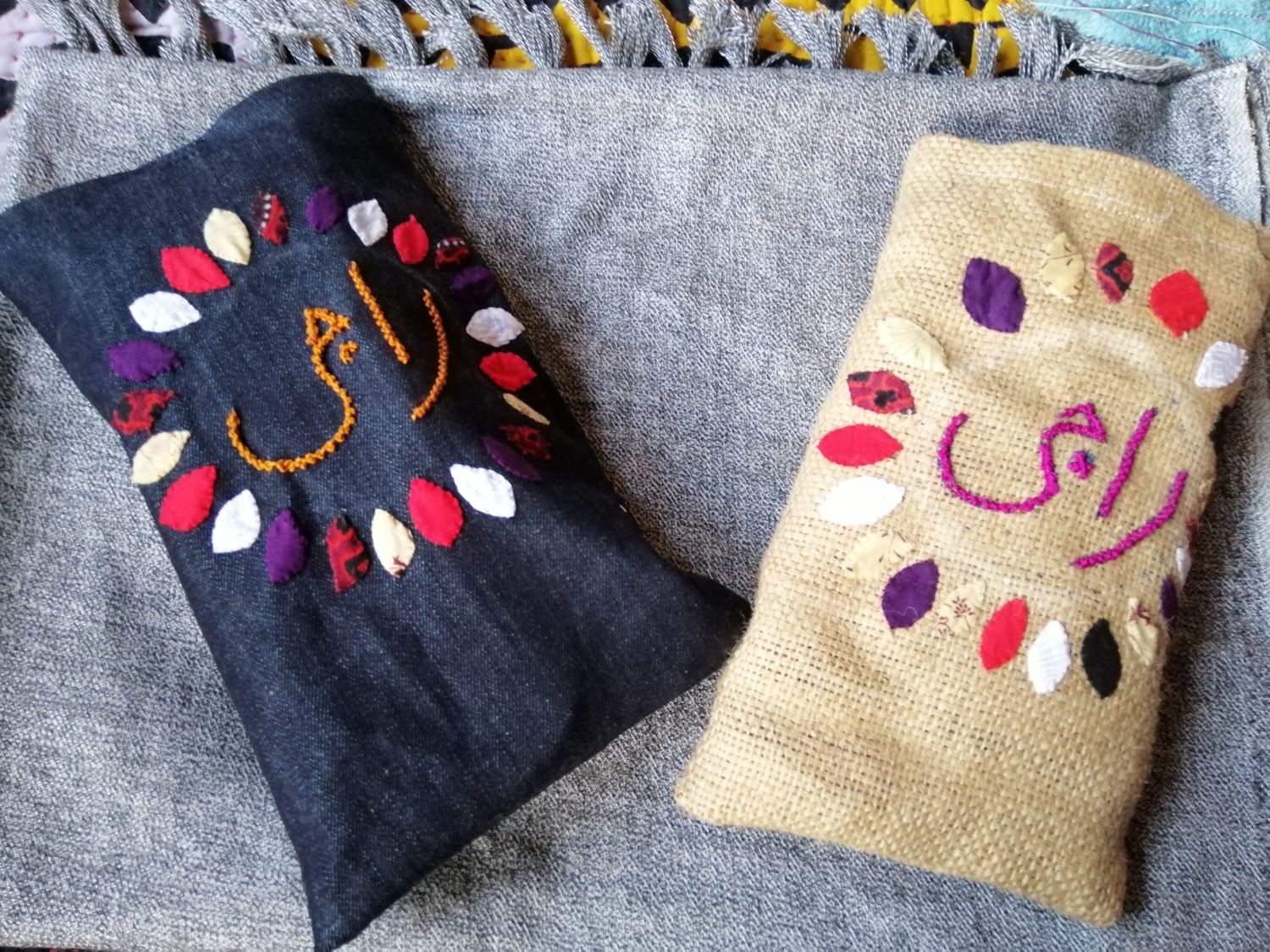
the product. راجی stitched on a jute pouch. reusable for a year.
LARKANA & SUKKUR, DECEMBER 2021
The first four pad prototypes made by BDG Maseeha
the first four prototypes. bdg maseeha.
Hands trimming a reusable pad with scissors
trimming the edge. the part that has to be exact.
Saba learning to stitch from an artisan in Meero Khan
meero khan. i learned to stitch one, badly.
Seventeen women holding up finished pads and Raaji pouches
seventeen women, seventeen pads, larkana.
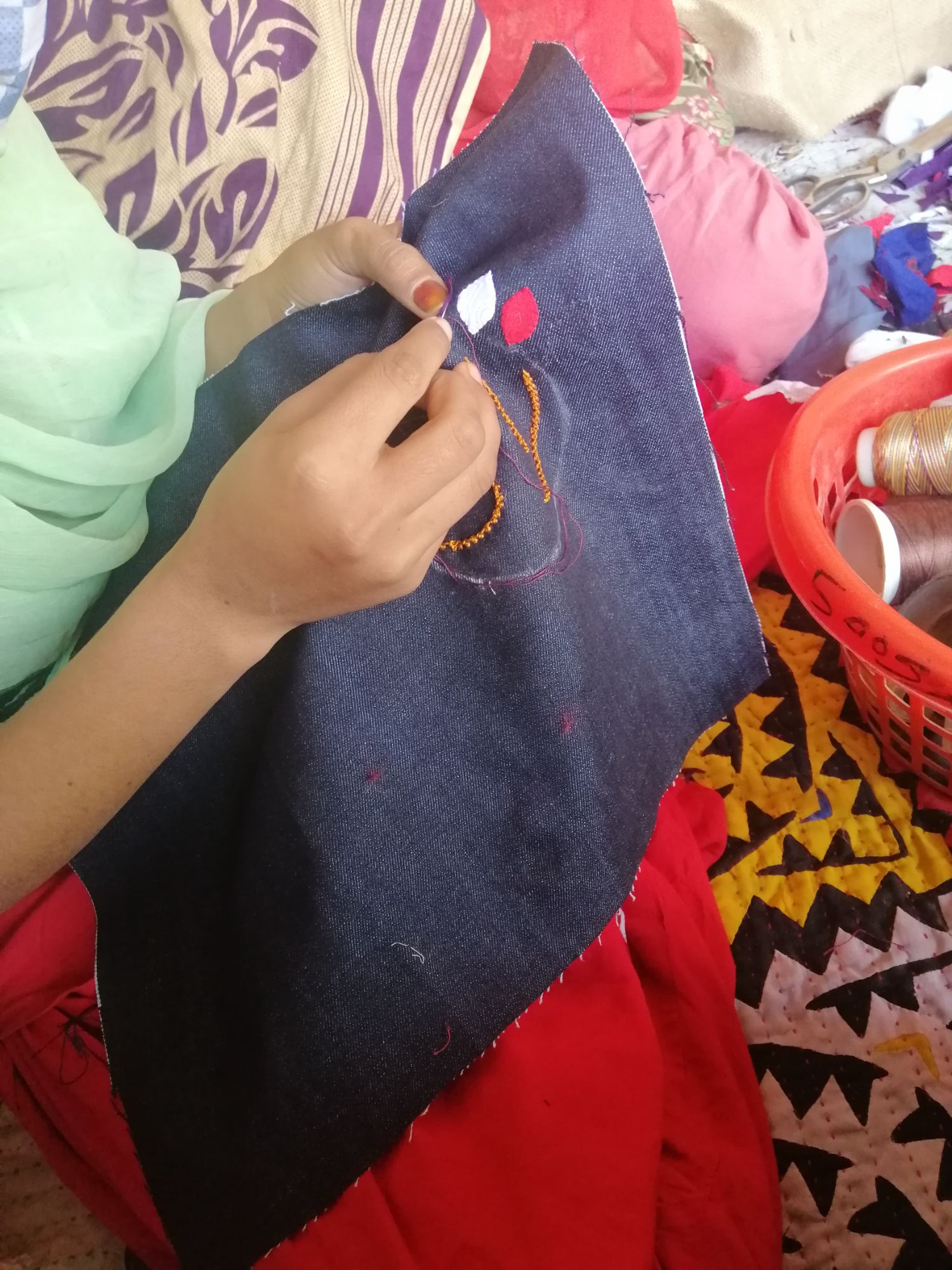
A girl embroiding a navy Raaji pouch by hand
embroidering the pouch, one letter at a time.
Raaji pouches hand-embroidered in Urdu script
راجی, hand-stitched. no two the same.
A group in Sukkur holding up finished pads
sukkur. the same pride, a different city.
← PREVIOUS ALL CHAPTERS NEXT →
poeticapoetica
SABA KHALID · POETICA STUDIO
saba@poetica.studio