Before She Was A Chatbot, She Was A Cartoon.
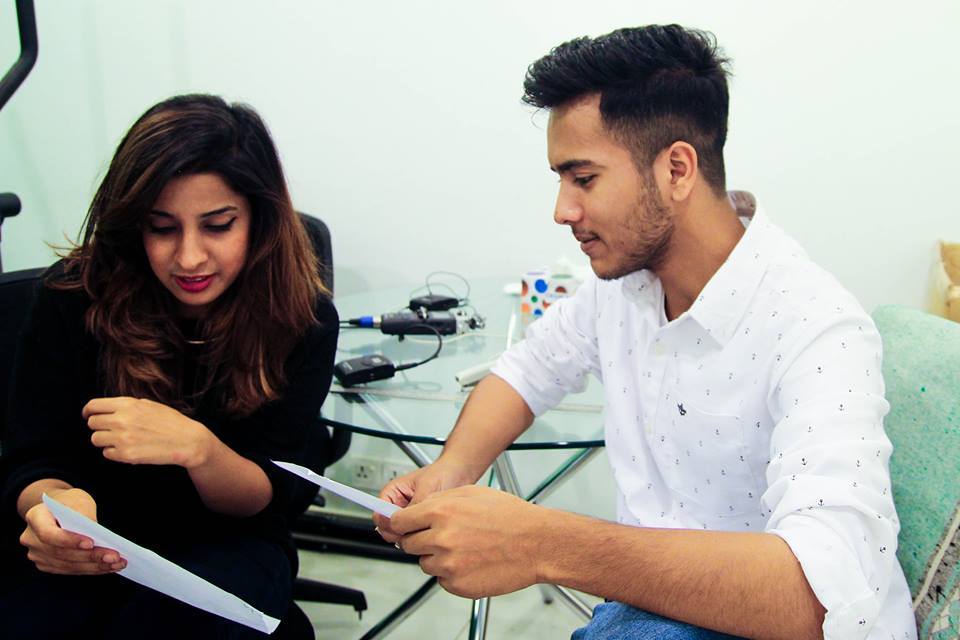
I was a fashion journalist when Qandeel Baloch was strangled by her brother. I never knew her — but she was, like me, a single Pakistani woman who believed she could walk, cycle, swim, wear what she wanted. The difference was I'd been handed my freedoms; she'd fought for each one. I pitched my magazine: let's write about more than lipstick. They said it wouldn't sell. I quit, and within a month The Nest I/O in Karachi — run by Jehan Ara, one of my biggest role models — took the idea in. Aurat Raaj was born: interviews with Pakistan's women leaders, self-defence classes for girls, and then a cartoon girl from Thar who survived what Qandeel didn't.
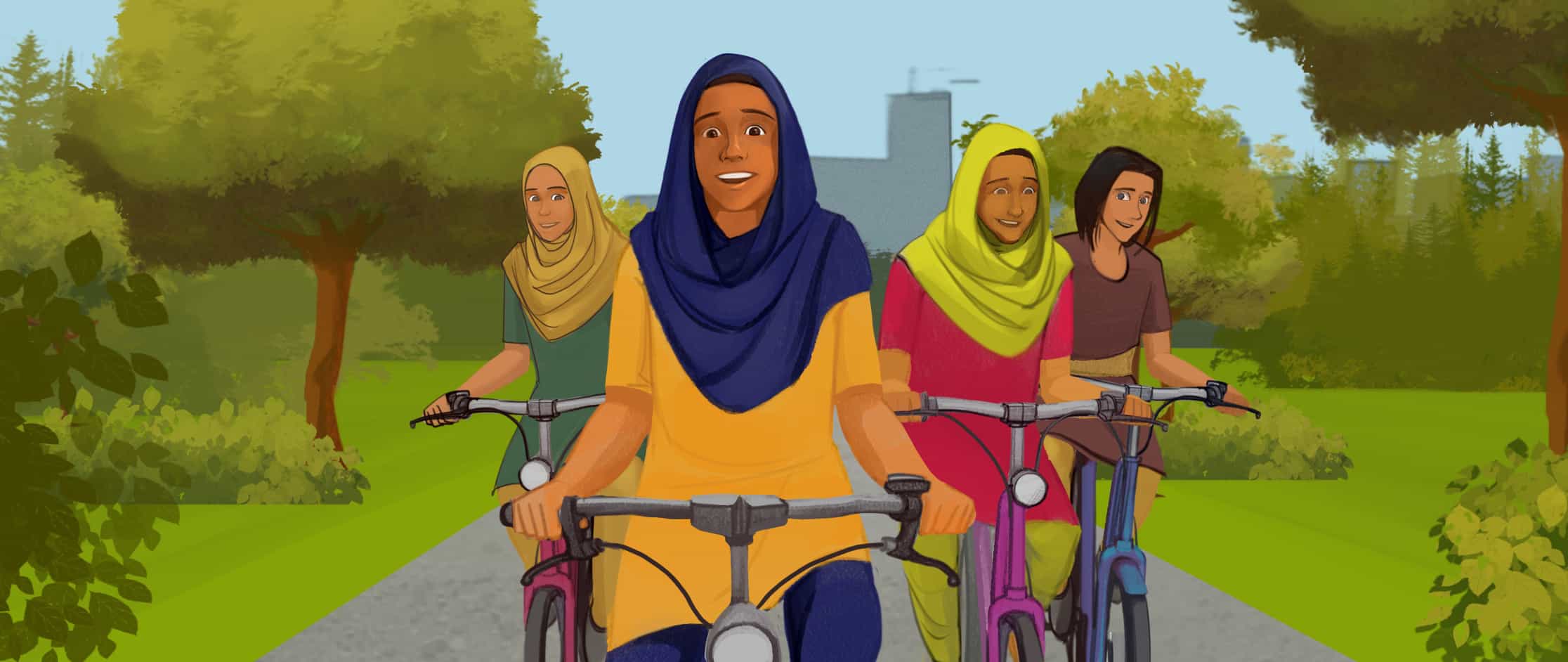
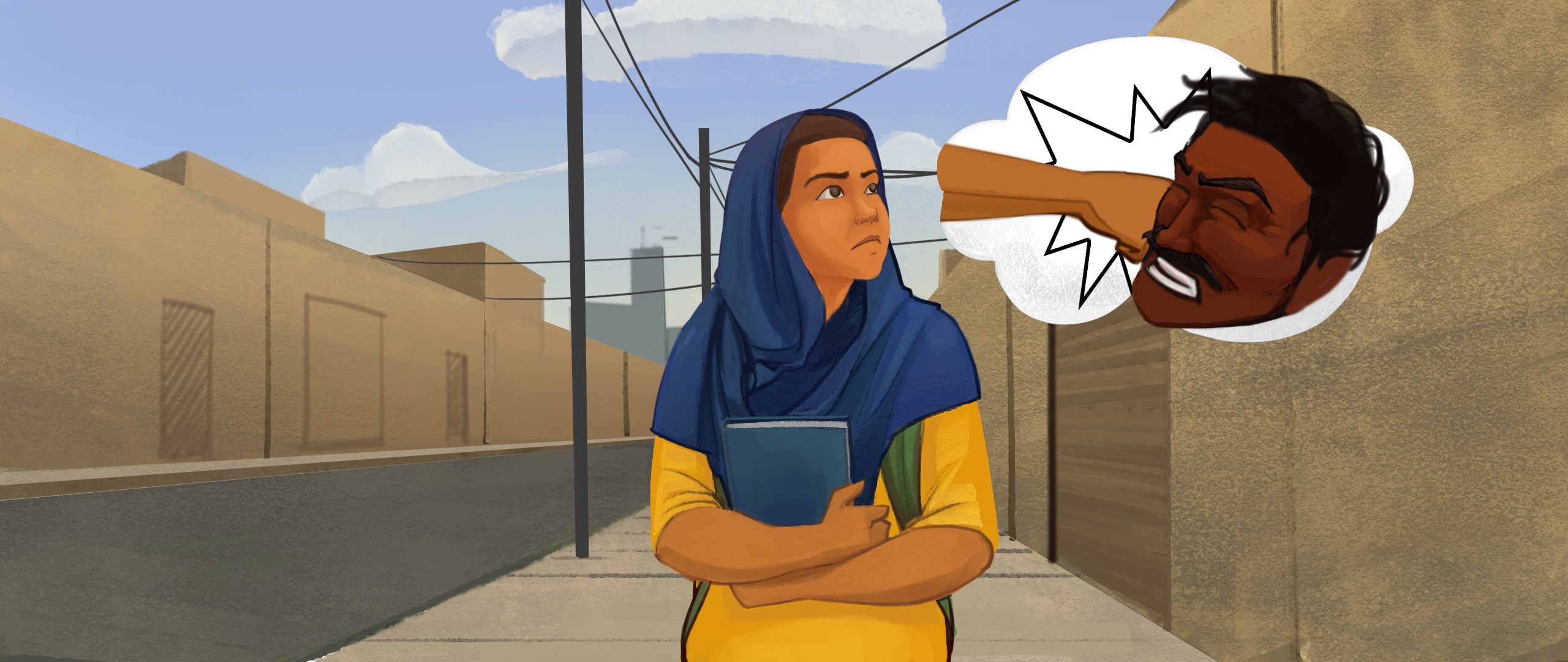
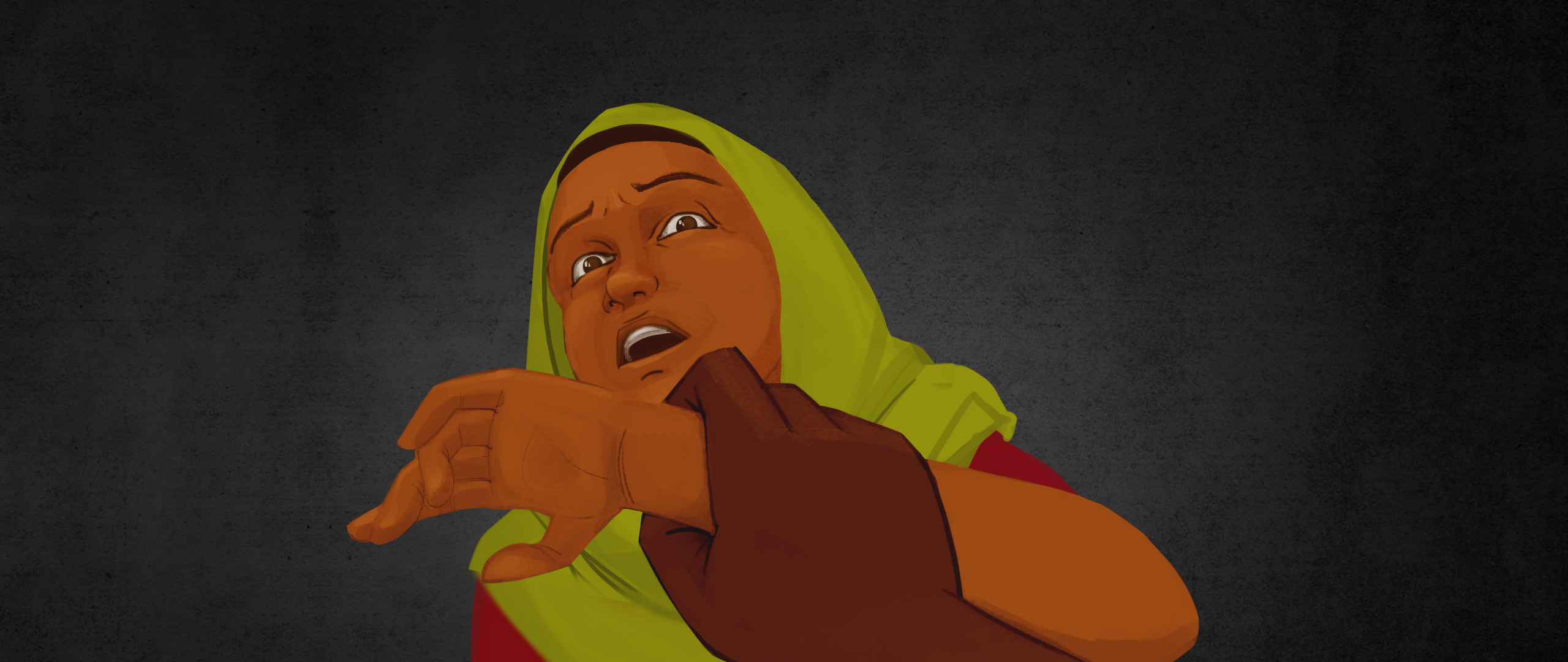
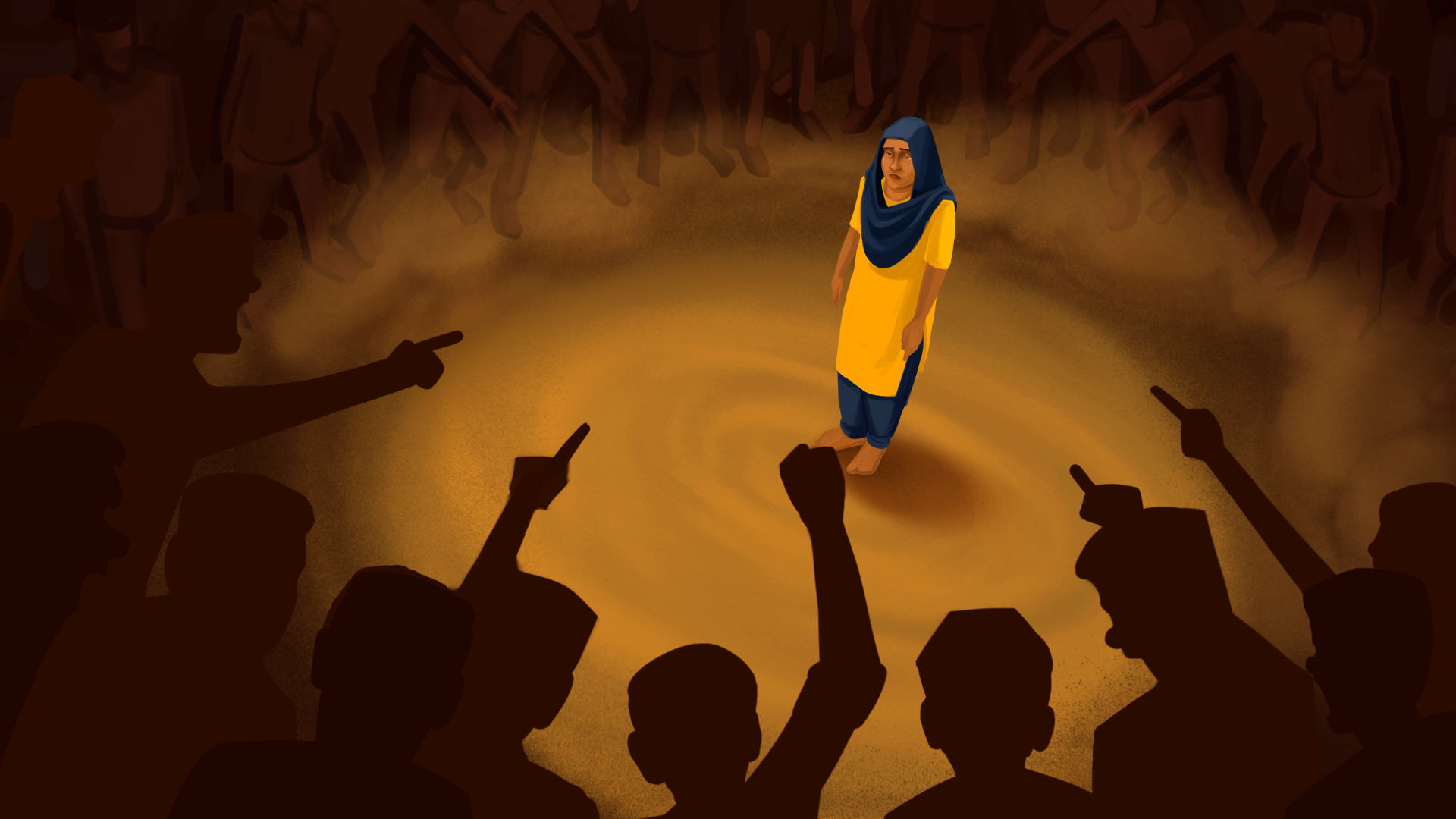
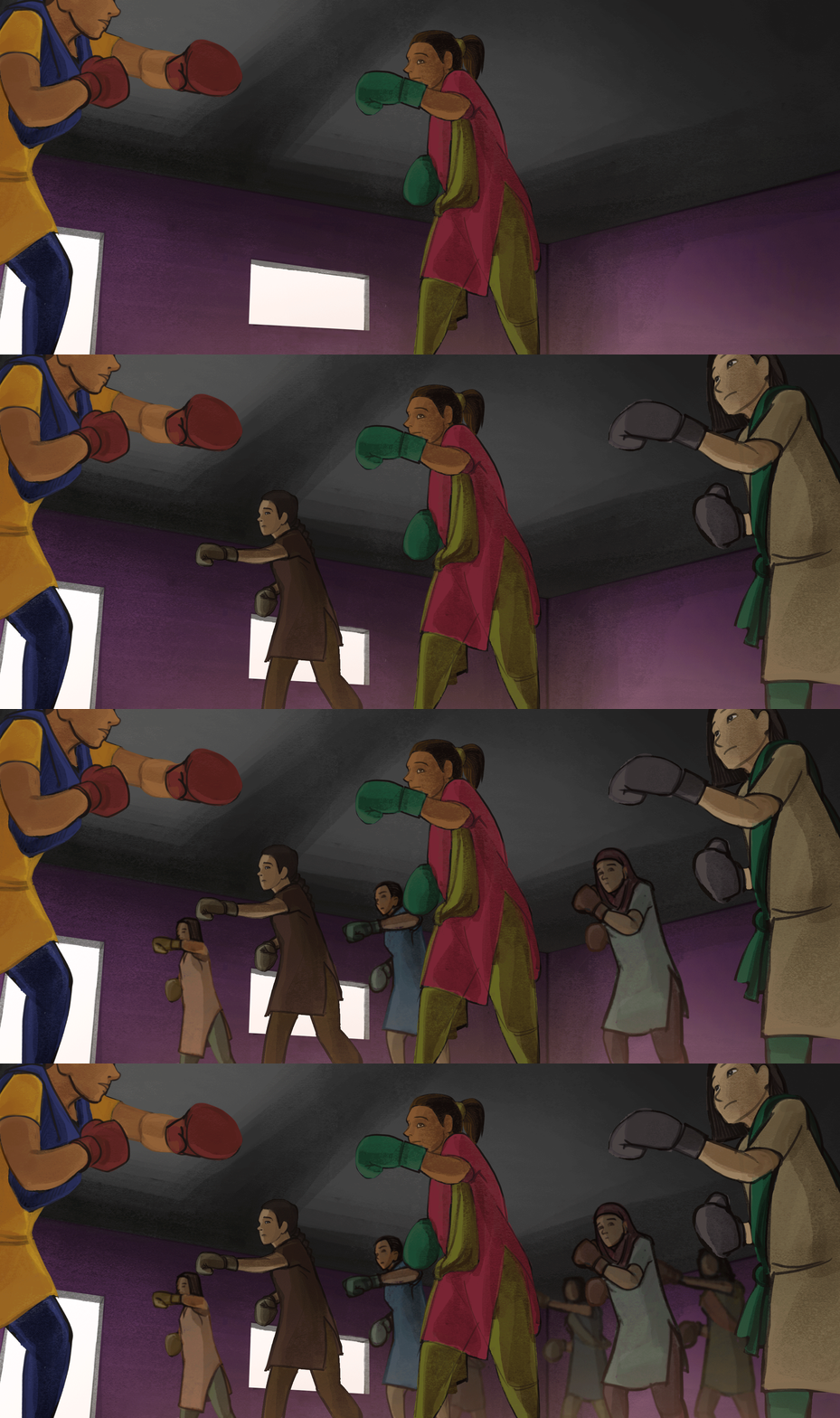
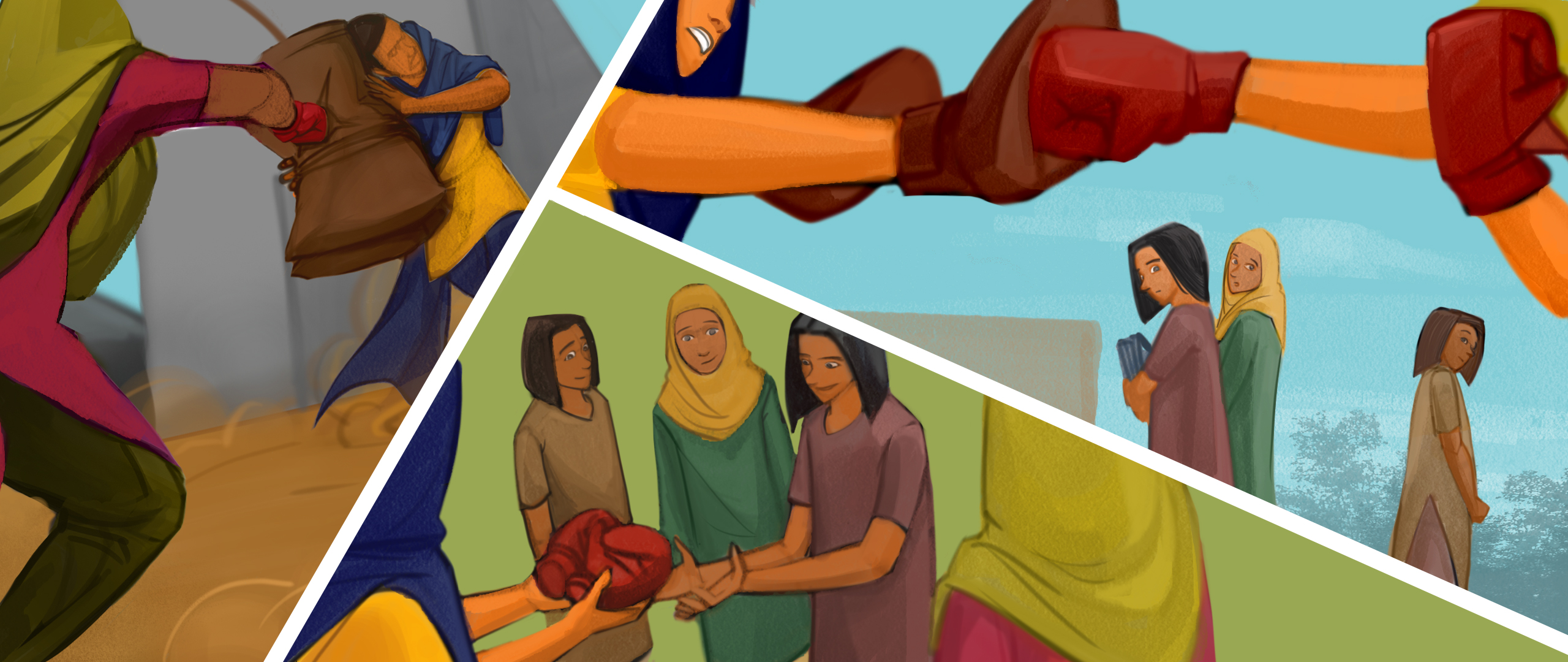
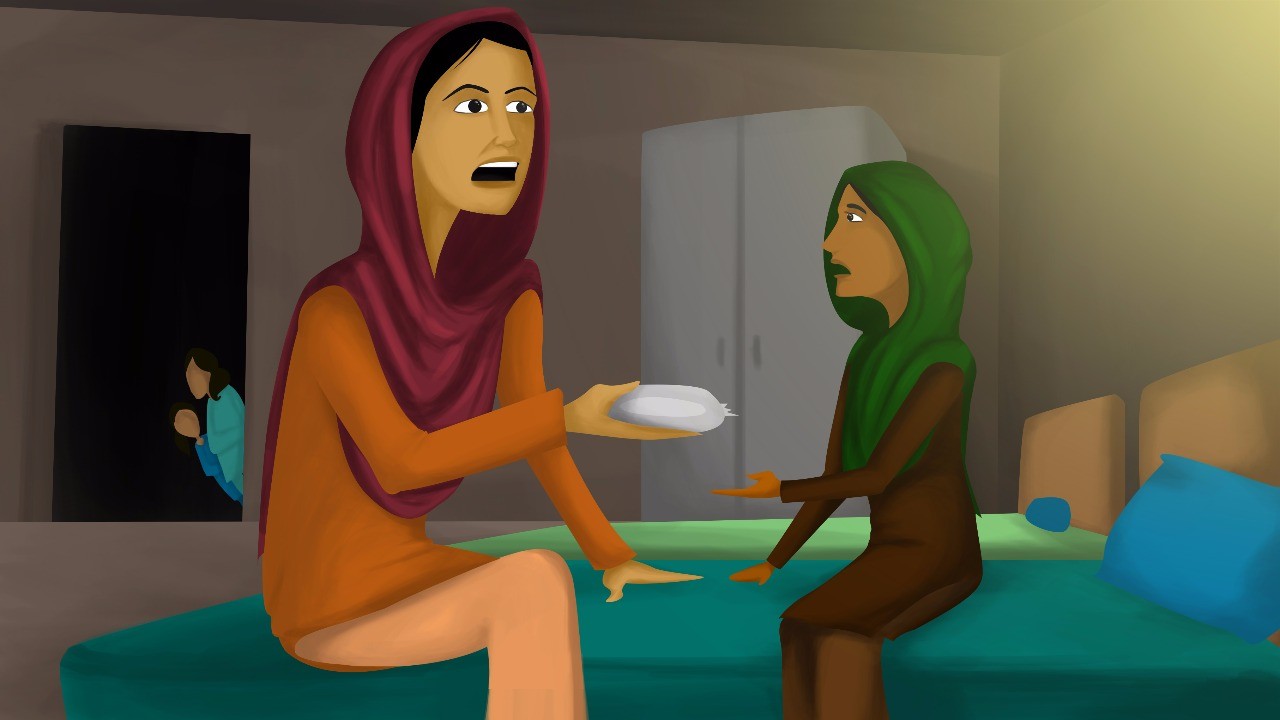
Raaji began in 2017 as an animated series. A girl who meets society's dark realities early, leaves home, lives in a hostel, gets her first period there — and keeps going. Episodes on honour killings, child abuse, sexual harassment, child marriage, menstruation; and on the other side, girls who box, cycle, start businesses, learn to defend themselves. With UNESCO we screened her off a laptop in schools, hostels and community centres across rural Sindh — Tharparkar most of all. In November 2018 the series’ film The Ultimate Survivor won the tve Global Sustainability Film Award — “AI: Empowering the Future” — at BAFTA in London. Then the girls started asking questions the episodes couldn't answer, more than I could reply to by hand. My co-founder Tino Hahn said: build her a chatbot. I designed her on a fellowship at The DO School in Berlin — every conversation, every answer, the safeguarding — and engineers built the code.
We Filmed What The Cartoon Did
To The Room.
People ask whether a cartoon can change anything. So we shot it — the screenings, the girls, the questions they asked out loud once a drawn girl asked them first. Art doesn't lecture. It gives permission.