Thar & Sindh.
The Faces At Home
the portraits the fashion magazines wouldn’t print — women with weather in their faces and gold in their noses. nobody here was styled. everybody here decided how they were photographed.
She Wears The
Whole Archive.
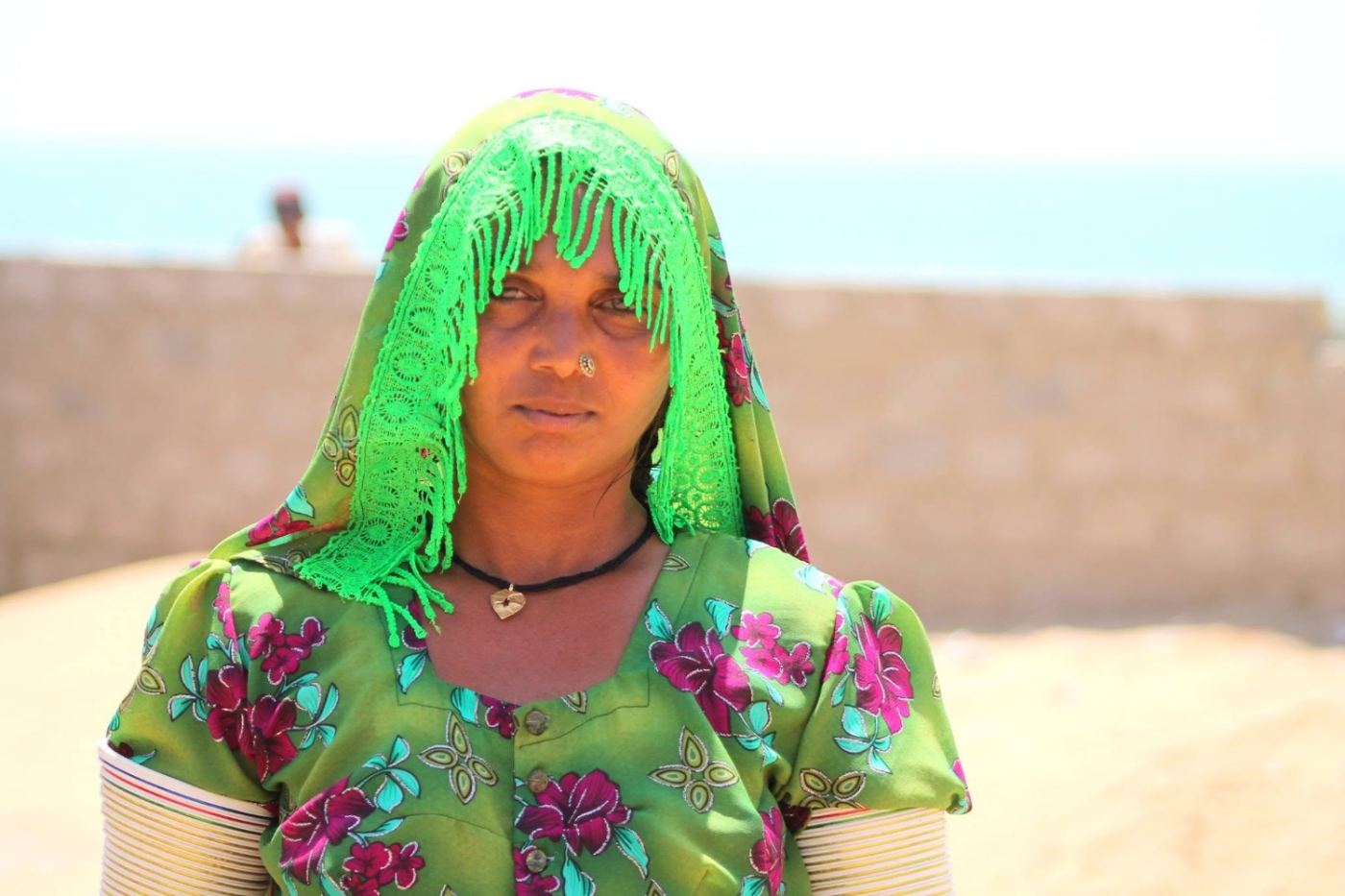
Rural Sindh, on the edge of the Thar — whitewashed walls, noon light, the desert that holds most of Pakistan’s Hindu population. Nothing these women wear is decoration. Every item is a document: the bangles publish her marital status, the embroidery names her community, the veil answers to whoever happens to be standing nearby.
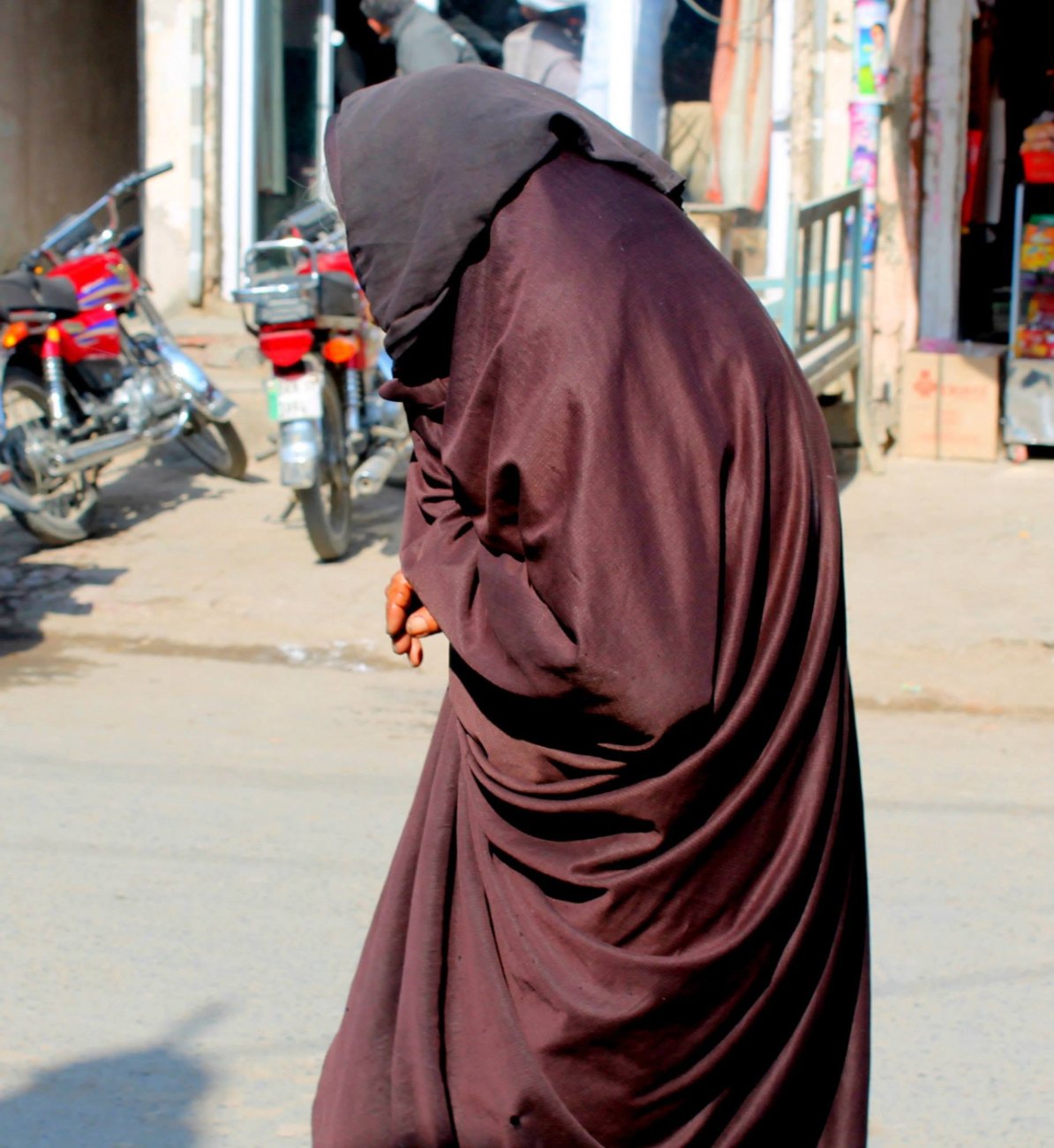
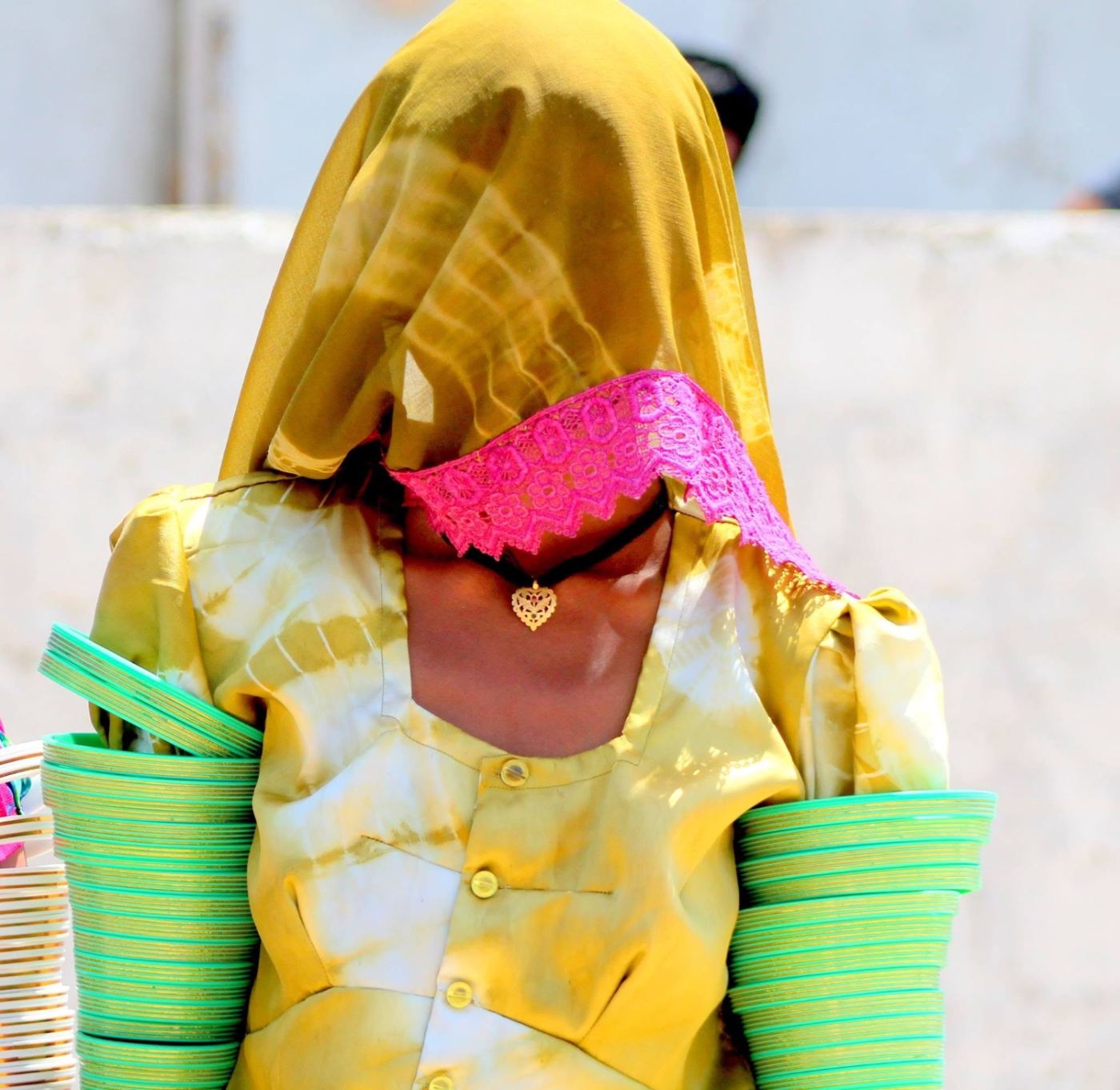
I photographed what they chose to show me. In two of these frames, that does not include a face — and the portrait works anyway, because the clothing was always doing the talking.
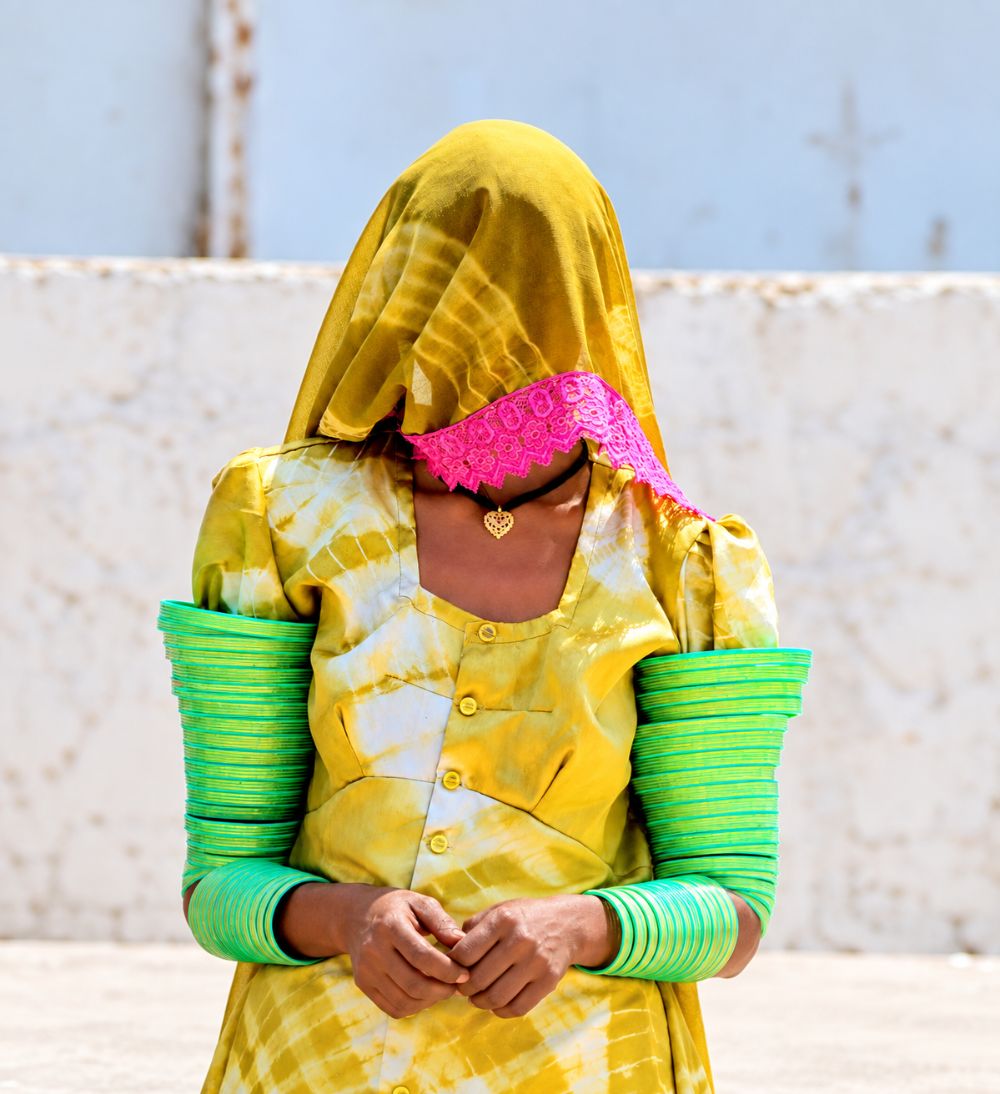
a bride’s arms, published. after marriage a thari woman stacks bangles from wrist to shoulder — once ivory, now acrylic — and wears them for years. the stack is a legal document you can read from across a field: married, and recently. she pulled the ghoonghat down over her face; the bangles kept announcing her anyway.
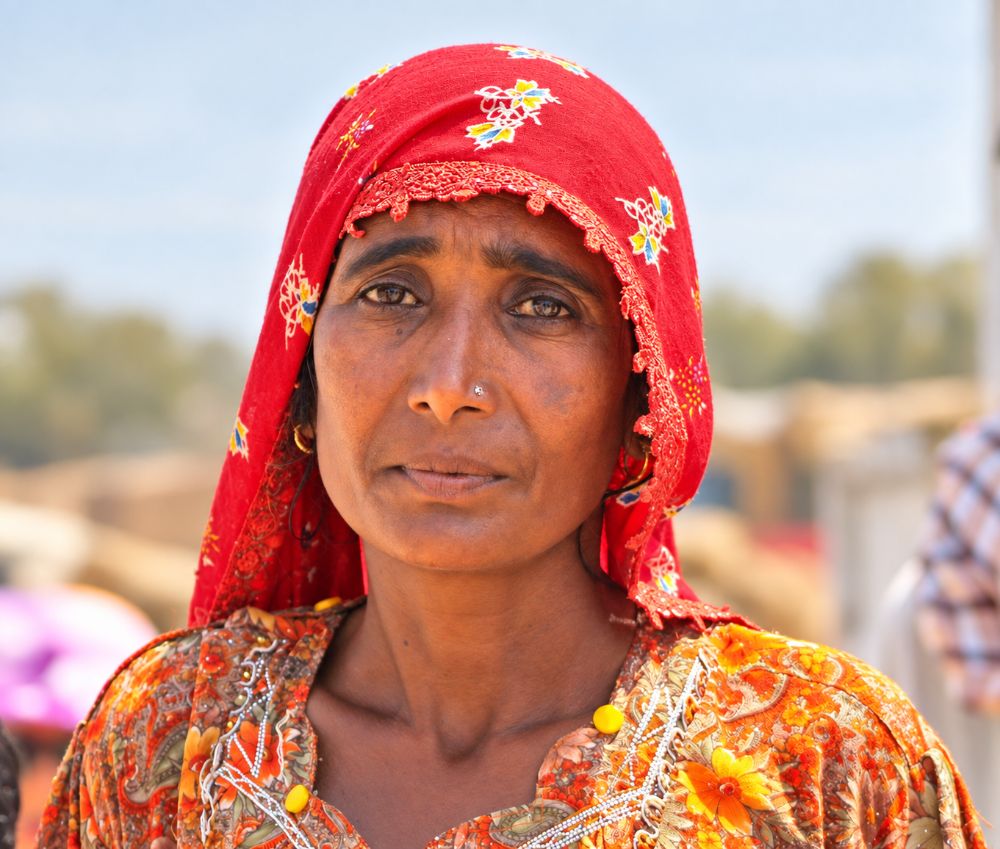
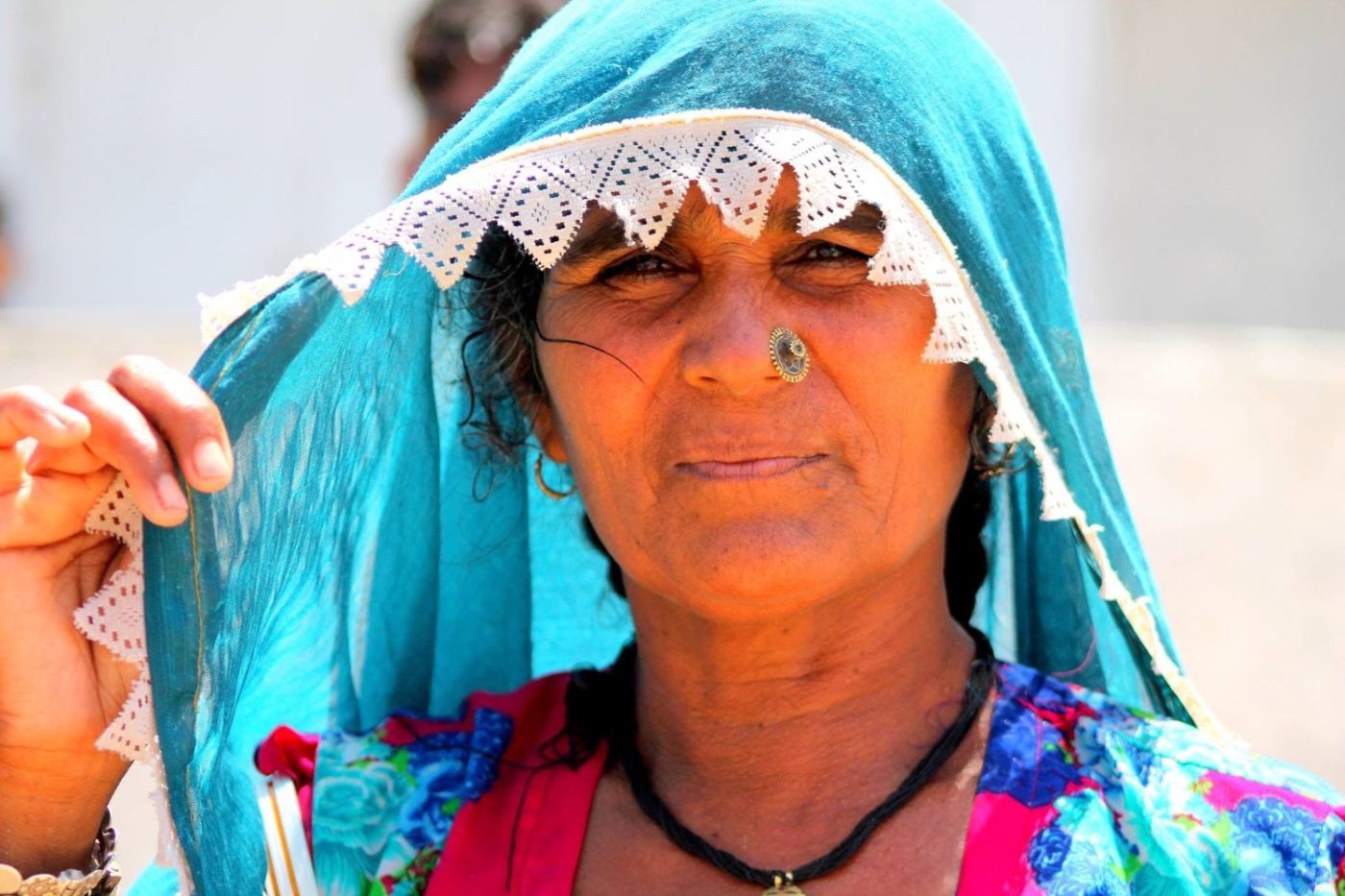
knot-dyed in the bandhani tradition sindh shares with rajasthan — every white fleck is a thread tied by hand before the cloth met the dye. the crochet edge is hers, added at home. gold in the ears, a phul on the nose: the savings account of a woman the banks were never built for.
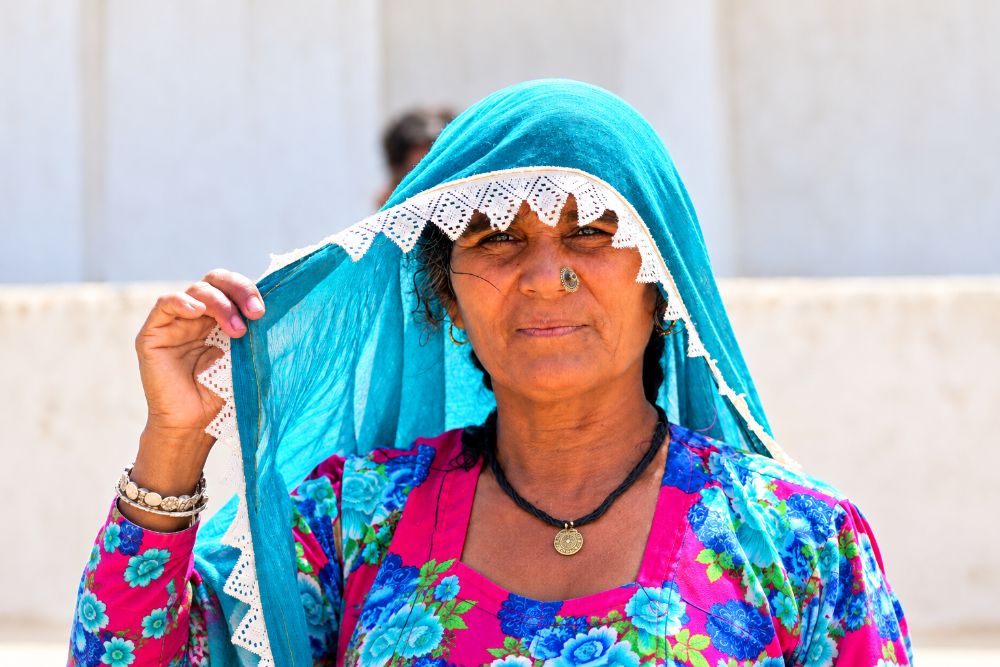
the dupatta is architecture. pulled forward at noon it is a roof; dropped to the shoulders at home it is a shawl; held out like this it is a doorway she decides how far to open. on the black cord, a taweez — protection written on paper, folded into brass, worn against the chest.
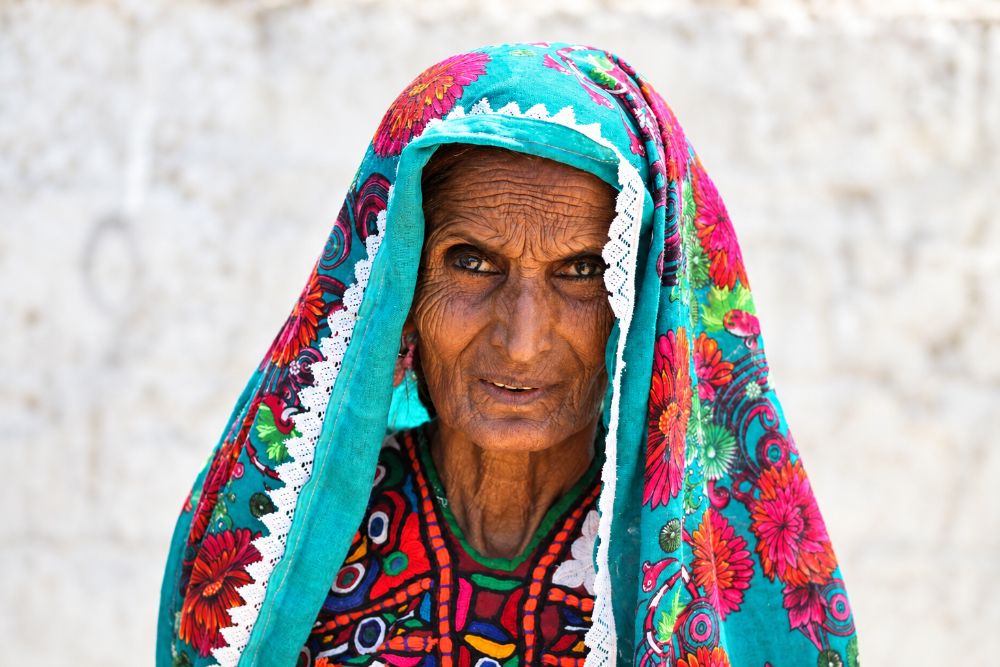
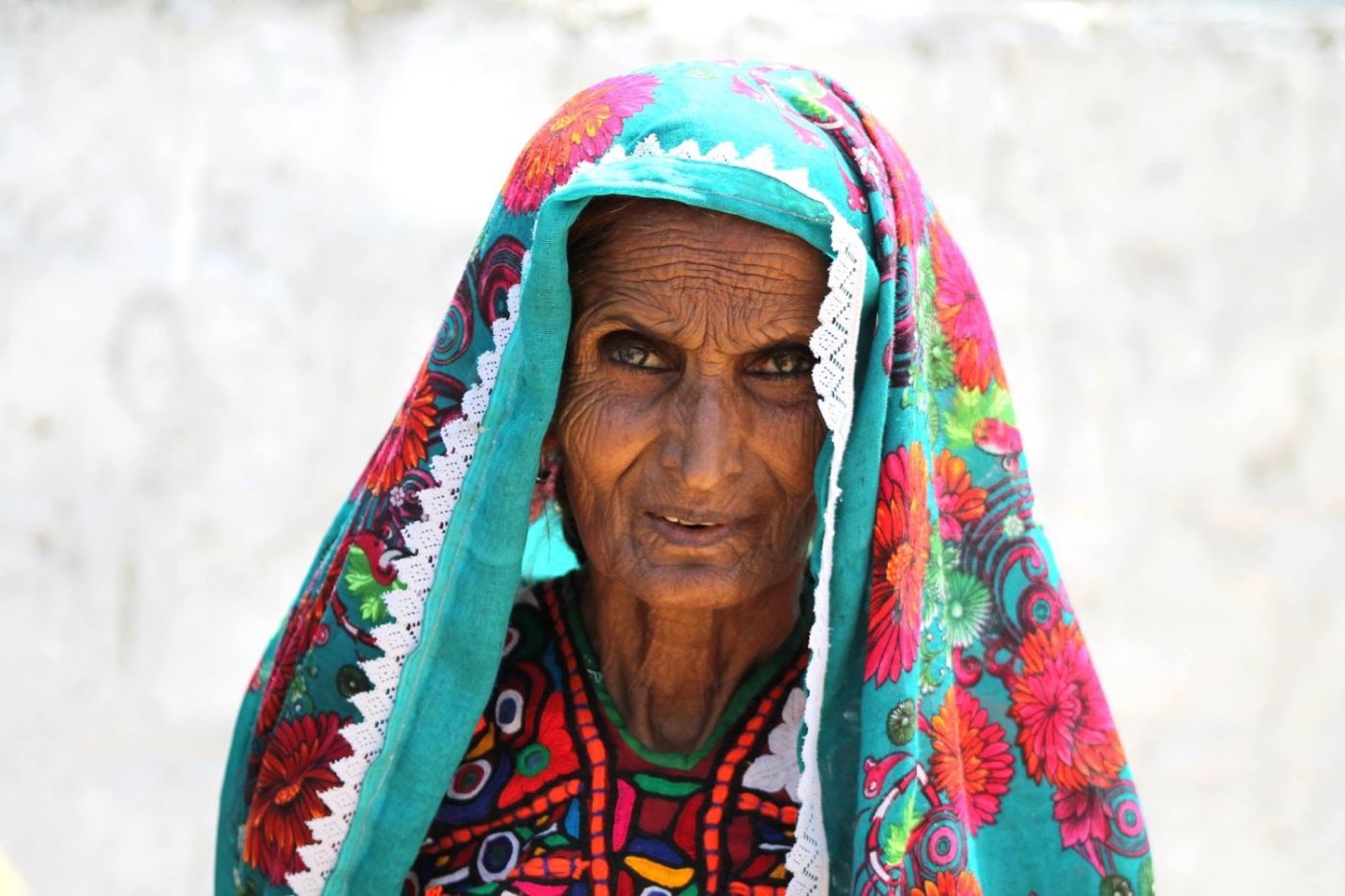
under the veil, the gaj — the embroidered, mirror-worked bodice of the thar. a woman stitches her own before her wedding, mirror by mirror; the pattern names her community the way a flag names a country. the mirrors are for the desert: they throw the evil eye back where it came from.
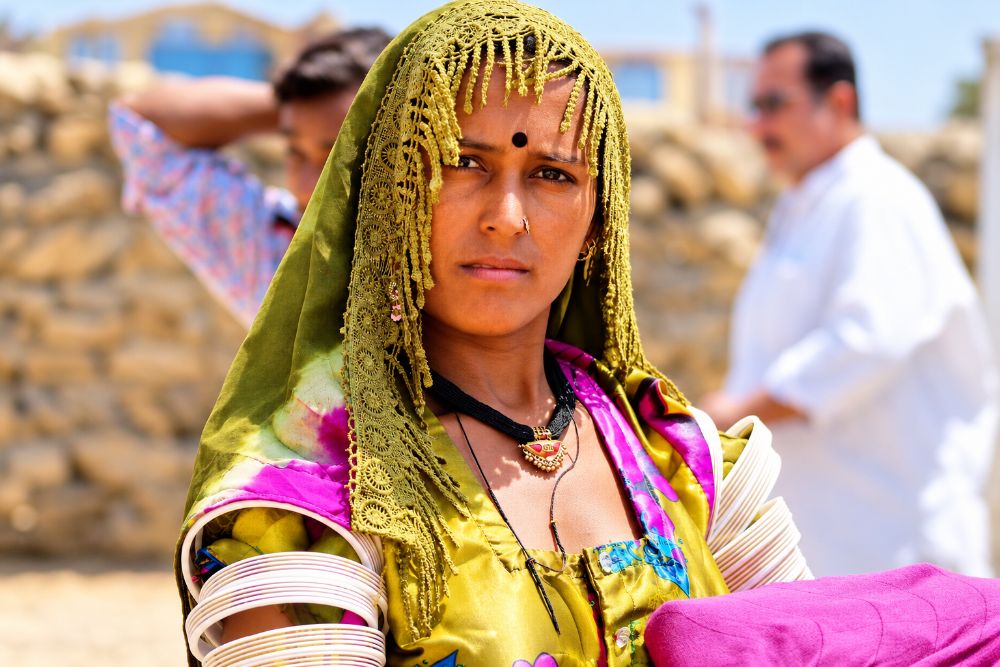
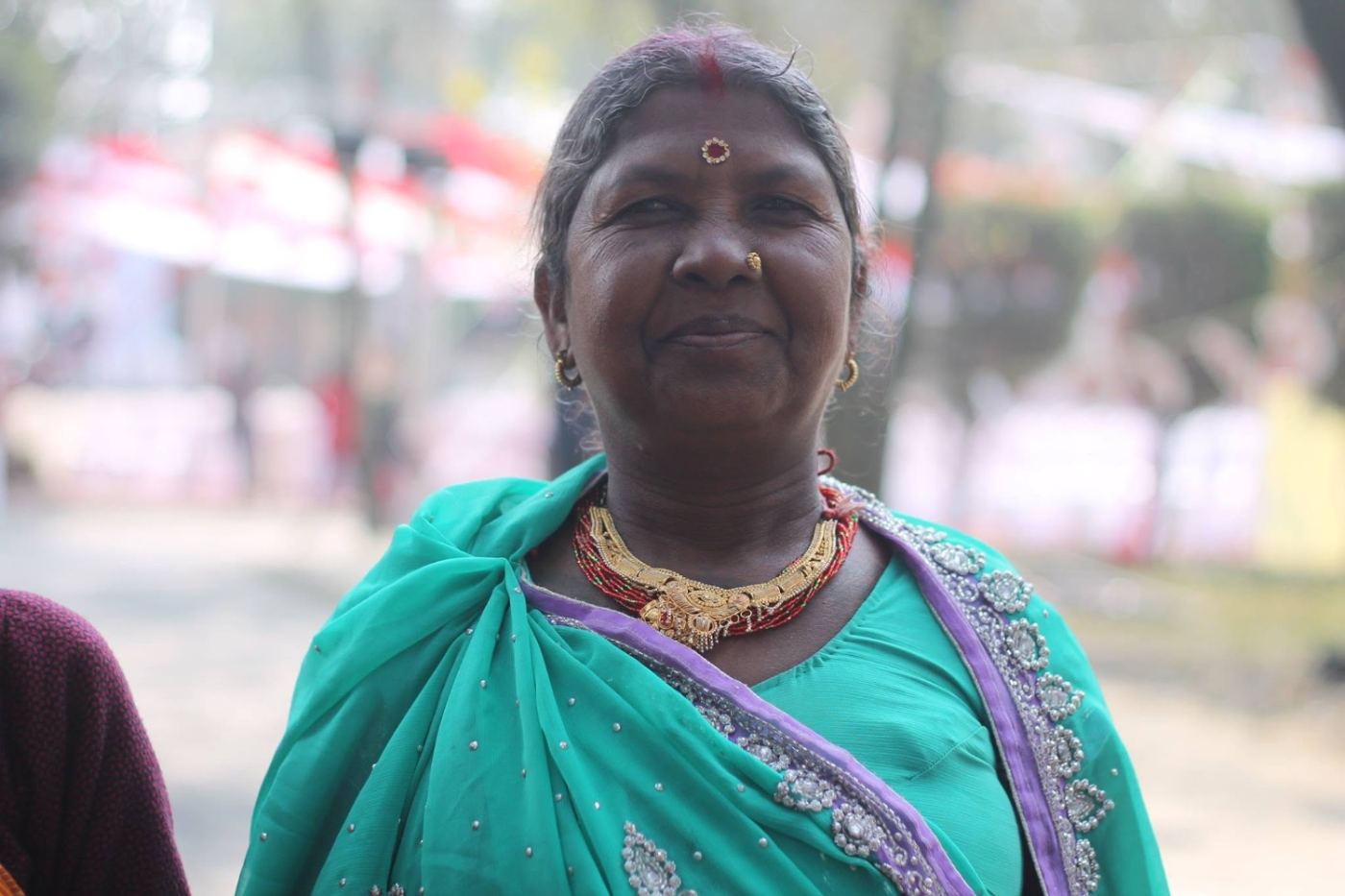
bindi, nose ring, the ivory-white churo up the arm: she carries what the map calls india on her body and has never crossed a border. the desert never partitioned itself. she is standing in her own country, wearing five thousand years of it.